






What's Happening?
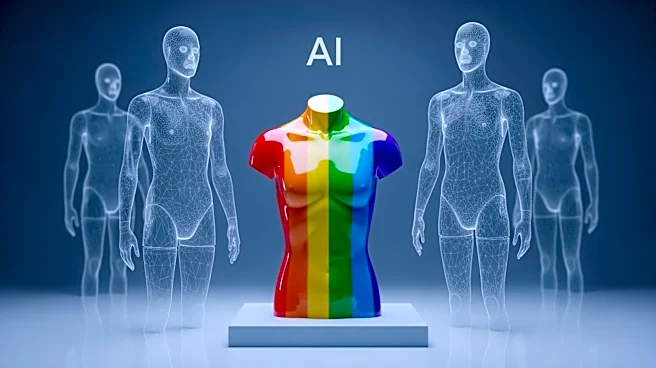
Fashion retailer Rainbow has informed its models that the increasing use of AI may lead to fewer job opportunities. The company has started using AI to generate synthetic models, which has caused anxiety among human models who fear job displacement. Some
models have noticed AI-generated images resembling them in Rainbow's marketing materials, leading to a lawsuit by one model. The company has been experimenting with AI technologies to create avatars and style products, raising concerns about the impact on human jobs in the creative industry. Rainbow's actions reflect a broader trend of AI integration in workplaces, particularly in industries like fashion.
Why It's Important?
The use of AI in creative industries like fashion highlights the potential for significant job displacement as AI technologies improve. This raises ethical and economic concerns about the future of work and the role of human creativity. The situation at Rainbow underscores the need for companies to navigate AI integration carefully, balancing efficiency gains with the potential impact on employees. The legal challenges faced by Rainbow also illustrate the complexities of using AI-generated content and the importance of clear contracts and communication with workers. As AI becomes more prevalent, industries must address these challenges to ensure fair treatment of workers and maintain trust.
What's Next?
Rainbow's experience may prompt other companies to reevaluate their use of AI and its impact on human workers. The fashion industry, in particular, may need to develop guidelines for AI use to protect jobs and ensure ethical practices. Companies may also need to engage in dialogue with employees and stakeholders to address concerns and find solutions that balance technological advancement with job security. As AI continues to evolve, ongoing monitoring and adaptation will be necessary to address the challenges and opportunities it presents.