
What's Happening?
Automakers are streamlining their vehicle lineups in response to increased competition from lower-cost Chinese manufacturers. This 'decluttering' strategy involves reducing model complexity, sharing technology and production costs, and simplifying vehicle designs.
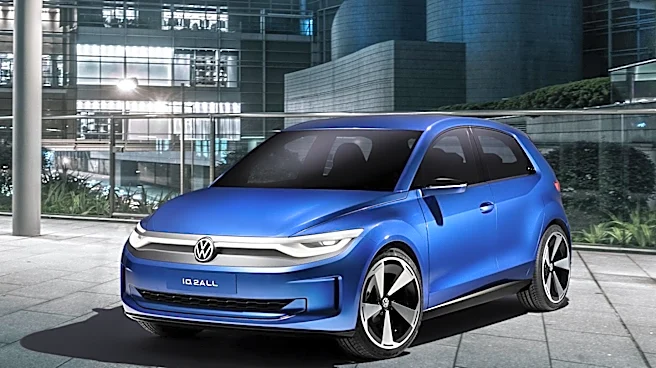
Companies like Volkswagen and Toyota are cutting down on the number of vehicle specifications and variants to lower manufacturing and marketing expenses. Volkswagen plans to reduce its global model lineup by up to 50% by 2030, while Toyota is addressing the cost implications of its diverse vehicle specifications. This move comes as legacy car companies face financial pressures from electric vehicle (EV) investments and competition with Chinese automakers, who can often produce vehicles more cheaply.
Why It's Important?
The automotive industry's shift towards simplification reflects broader economic pressures and competitive dynamics. By reducing complexity, automakers aim to cut costs and improve profitability, which is crucial as they invest heavily in EV technology. This strategy could lead to more affordable vehicles for consumers, potentially increasing market accessibility. However, the reduction in model variety may limit consumer choice and lead to more homogeneous vehicle offerings. The industry's response to Chinese competition highlights the global nature of the automotive market and the need for traditional manufacturers to adapt to changing economic conditions and consumer preferences.
What's Next?
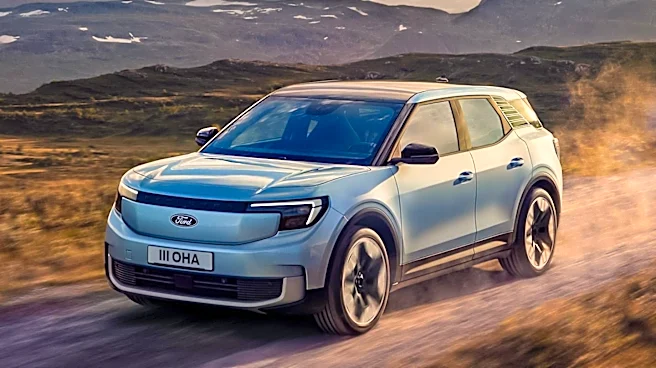
As automakers continue to streamline their operations, they may increasingly adopt modular vehicle systems that allow for shared components across different models. This approach could enhance production efficiency and reduce costs. Companies like Ford are already developing platforms that require fewer parts and manufacturing steps. The industry's focus on cost reduction and efficiency may drive further innovation in vehicle design and production processes. However, the challenge will be to balance cost savings with maintaining product differentiation and consumer appeal. The success of these strategies will depend on automakers' ability to adapt to evolving market conditions and consumer demands.