



What's Happening?
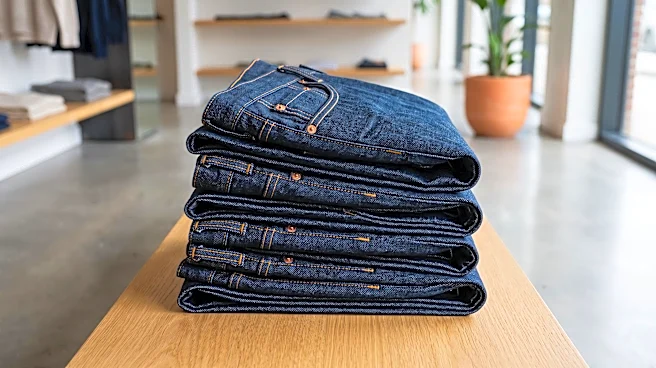
Authentic Brands Group has finalized its acquisition of the intellectual property of Lee from Kontoor Brands. This strategic move integrates the established denim and casual apparel brand into Authentic's extensive global portfolio of consumer, lifestyle,
and entertainment properties. The acquisition, which follows a definitive agreement announced in May 2026, aligns with Authentic's strategy of acquiring recognizable brands and broadening its commercial reach through regional licensing and operating partnerships. Lee, founded in 1889, is a long-standing denim brand with international operations generating approximately $1.5 billion in annual retail-equivalent sales across 73 countries, with nearly 40% of its sales originating outside the U.S. and Canada. Authentic Brands Group plans to leverage its licensing model to bolster Lee's existing apparel operations and explore new opportunities in additional product categories and international markets. Several regional operating partners have already been secured to support Lee's product development, sourcing, distribution, and market growth, including One Jeanswear Group for the U.S. and Canada, Experience Group for Europe, HiMaxx for mainland China, Hong Kong SAR, and Macao SAR, and Union Group for Mexico.
Why It's Important?
This acquisition is significant for the U.S. apparel industry as it consolidates another major brand under a powerful intellectual property management firm. For Lee, the transition to Authentic Brands Group's ownership structure, focused on intellectual property management and regional operating partnerships, aims to preserve its brand recognition while expanding its global distribution and strengthening regional operations. This model allows for specialized market-specific capabilities through various partners, potentially leading to increased market penetration and revenue. Authentic Brands Group, with its portfolio of over 50 brands and a network of more than 1,700 licensees across 150 countries, generates over $38 billion in annual systemwide sales. Integrating Lee into this vast network provides immediate access to a broader consumer base and extensive marketing channels, including reaching approximately one billion social media followers. This move could set a precedent for how heritage brands navigate market changes and seek growth through strategic partnerships and intellectual property-focused management.
What's Next?
Authentic Brands Group is expected to further expand Lee's presence by adding more licensees from its international network. The company plans to develop new opportunities for Lee in adjacent apparel and lifestyle categories, with potential areas of expansion including activewear, workwear, and other lifestyle products that build upon Lee's heritage in denim design and casual apparel. The acquisition also aims to extend Lee’s brand presence through new content, consumer experiences, and commercial partnerships. This strategy suggests a multi-faceted approach to brand growth, moving beyond traditional retail to encompass broader lifestyle integration and digital engagement. The success of these new ventures will depend on the effective collaboration between Authentic Brands Group and its regional operating partners in executing these expansion plans and maintaining Lee's brand integrity while innovating.
Beyond the Headlines
The acquisition of Lee by Authentic Brands Group highlights a broader trend in the retail industry where intellectual property management firms are becoming central players in revitalizing and expanding established brands. This model allows brands to maintain their heritage while benefiting from the extensive global reach and operational expertise of larger groups. It also signifies a shift towards a more asset-light business model for brand owners, focusing on licensing and partnerships rather than direct manufacturing and distribution. This approach can lead to greater efficiency and scalability but also raises questions about brand control and consistency across diverse markets and product categories. The emphasis on 'content, consumer experiences, and commercial partnerships' suggests a move towards experiential branding, where consumer engagement extends beyond product purchase to encompass a broader lifestyle connection, reflecting evolving consumer expectations in the digital age.