


What's Happening?
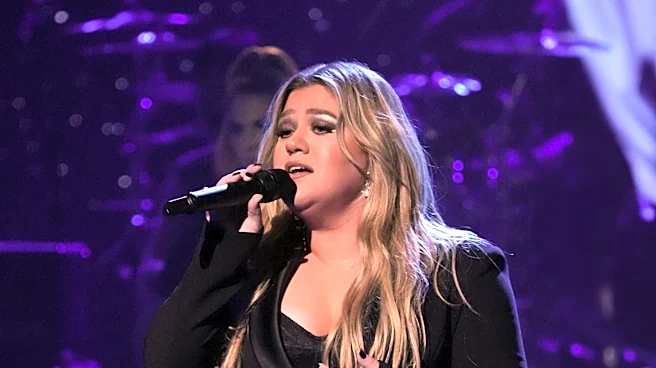
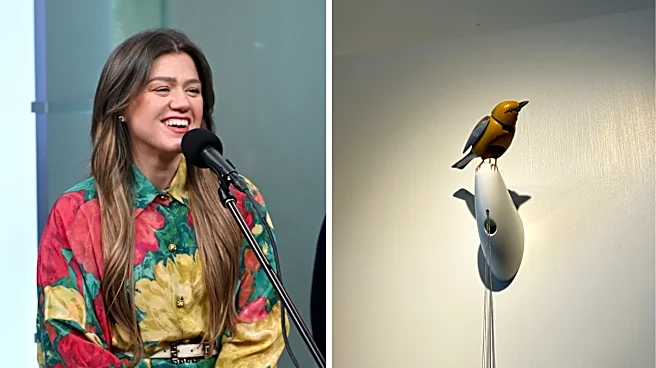
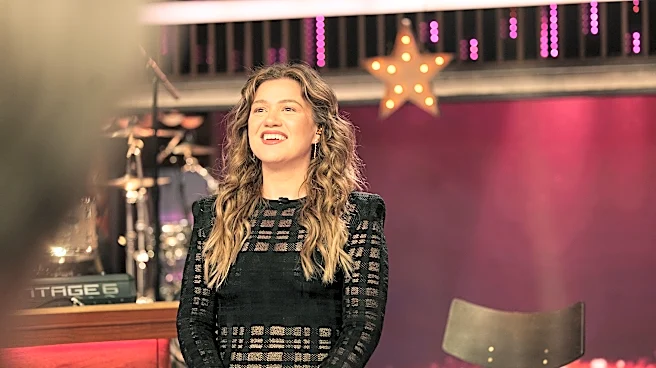
Co-hosts of 'The View' have publicly criticized Kelly Clarkson for her ongoing social media dispute with a Brooklyn toy store, Art of Play. Clarkson claimed she was treated poorly, akin to Julia Roberts' character in 'Pretty Woman,' when she inquired
about a $15,000 mechanical bird. The store's co-owner, Adam Rubin, stated that Clarkson was treated like any other customer and that the shop was crowded at the time. He also expressed concerns for the safety of his staff due to threats received. Sunny Hostin highlighted Clarkson's large social media following, suggesting she should be aware of the potential repercussions of her posts. Ana Navarro expressed disbelief that the dispute has continued for a week, given the typical short attention span for news in America. The store initially stated the bird was not for sale but has since offered to sell it for $15 million, with proceeds going to the artist and employees.
Why It's Important?
This incident highlights the significant influence celebrities wield through their social media platforms and the potential impact on small businesses. Kelly Clarkson's large following means her public complaints can quickly escalate into widespread negative attention for a business, potentially leading to harassment and safety concerns for employees. The situation also raises questions about customer service expectations, celebrity privilege, and the responsibility that comes with a massive online presence. For small businesses, such public disputes can be detrimental, affecting their reputation and potentially their livelihood. The ongoing nature of the conflict, as noted by Ana Navarro, also reflects how quickly online narratives can take hold and persist, even over seemingly minor incidents, demonstrating the power of social media to amplify personal grievances into public spectacles.
What's Next?
It remains to be seen whether Kelly Clarkson will respond further to 'The View' hosts' comments or the toy store's latest offer to sell the mechanical bird for $15 million. The toy store has indicated they are concerned for their staff's safety, which could lead to further actions, such as increased security or legal consultation, if threats persist. The public and media attention on this dispute may continue, potentially influencing how celebrities and businesses interact on social media in the future. This incident could also prompt broader discussions within the entertainment industry about the ethical use of celebrity platforms and the potential for unintended consequences when engaging in public disputes with private businesses. The resolution of this specific conflict, whether through a public apology, a settlement, or simply fading from public discourse, will likely set a precedent for similar situations.
Beyond the Headlines
Beyond the immediate dispute, this event touches upon broader themes of digital ethics and the power dynamics inherent in celebrity-consumer interactions. The concept of 'cancel culture' and the rapid mobilization of online communities are evident, as a celebrity's complaint can quickly transform into a public campaign against a business. This raises questions about accountability for online actions and the disproportionate impact a celebrity's words can have compared to an average consumer. Furthermore, the incident underscores the vulnerability of small businesses in the face of widespread online criticism, regardless of the veracity of the initial claims. It also prompts reflection on the nature of public apologies and reconciliation in the digital age, where narratives can be difficult to control once they gain momentum online. The ongoing debate highlights the evolving landscape of consumer relations and public relations in an era dominated by social media.