





What's Happening?
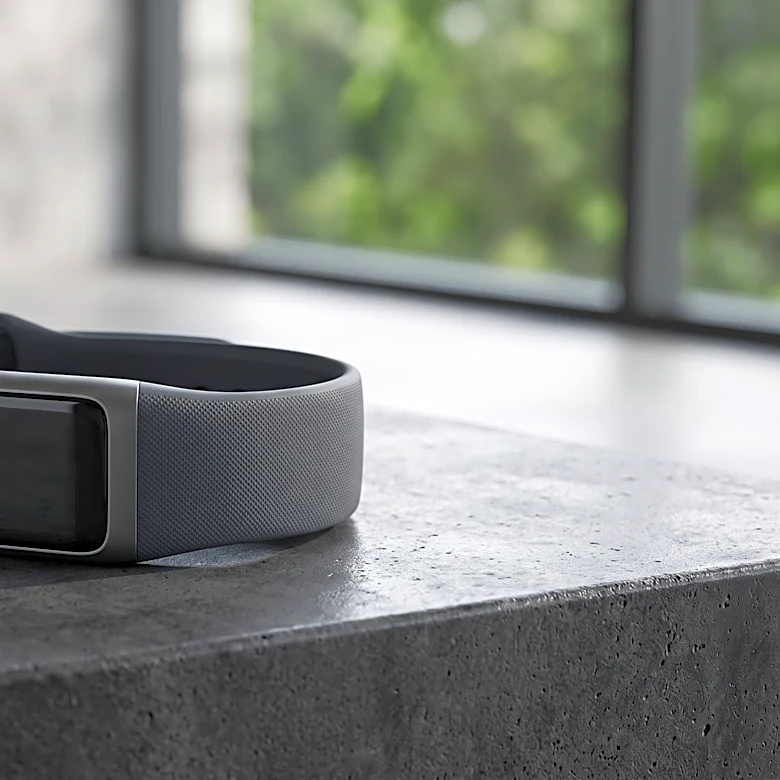
The health and fitness industry is undergoing significant transformation due to advancements in fitness technology, or 'fit tech.' New wearable devices and the integration of artificial intelligence (AI) are providing users with personalized insights,
real-time feedback, and tailored health guidance. Devices such as Apple Watch, Fitbit, and Garmin watches continue to track essential metrics like heart rate, steps, sleep patterns, and estimated calories burned, with many models offering GPS tracking and irregular heart rhythm detection. Beyond traditional smartwatches, innovations include Continuous Glucose Monitors (CGMs) now available over-the-counter, offering real-time blood glucose data. Unique technologies like smart clothing embedded with sensors monitor muscle activity, posture, and hydration. AI personal trainers are also emerging, creating customized workout plans and analyzing movements via smartphone cameras. These developments aim to make health data more accessible, personalized, and actionable, helping individuals make informed decisions about their health.
Why It's Important?
The evolution of fit tech holds substantial importance for the U.S. healthcare and wellness sectors. The increased accessibility of tools like CGMs to the general public, not just those with diabetes, signifies a shift towards proactive metabolic health management, potentially reducing the incidence of chronic diseases. For consumers, these technologies offer unprecedented levels of personal health data, empowering them to understand their bodies better and adjust lifestyle choices. The integration of AI in fitness apps and devices promises more effective and personalized wellness programs, which could lead to improved public health outcomes and reduced healthcare costs in the long run. Businesses in the fitness and tech industries stand to gain from increased demand for these innovative products and services, fostering competition and further technological advancements. However, it also raises questions about data privacy and the need for users to understand that fit tech supplements, rather than replaces, professional medical advice.
What's Next?
The future of fitness technology is expected to bring even more advanced features, including enhanced biometric sensors, more sophisticated AI coaching, and greater compatibility between various devices. As AI continues to evolve, personalized health insights will become more precise, offering users highly customized recommendations for diet, exercise, and overall well-being. The market will likely see an expansion of specialized wearable devices, such as smart rings and advanced smart clothing, offering more discreet and comprehensive health monitoring. Furthermore, the integration of virtual reality (VR) with fitness is anticipated to grow, making workouts more immersive and engaging. Regulatory bodies may also begin to address standards for data privacy and accuracy in consumer-grade health devices, ensuring user trust and safety. The ongoing innovation will likely drive down costs for some technologies, making advanced health tracking more accessible to a broader population.
Beyond the Headlines
Beyond the immediate benefits of improved health tracking, the widespread adoption of advanced fit tech could trigger deeper societal shifts. Ethically, the collection of vast amounts of personal health data by tech companies raises concerns about privacy, data security, and potential misuse. There's a growing need for robust regulations and transparent policies regarding how this sensitive information is stored, shared, and utilized. Culturally, the constant monitoring of biometric data could foster a more health-conscious society but also potentially lead to anxiety or an over-reliance on technology for self-assessment, potentially overshadowing intuitive self-awareness. Legally, the lines between consumer wellness devices and medical devices may blur, prompting new regulatory frameworks for product claims and efficacy. The long-term impact could include a redefinition of personal health management, with individuals becoming more active participants in their own healthcare, potentially altering the traditional patient-doctor relationship.