

What's Happening?
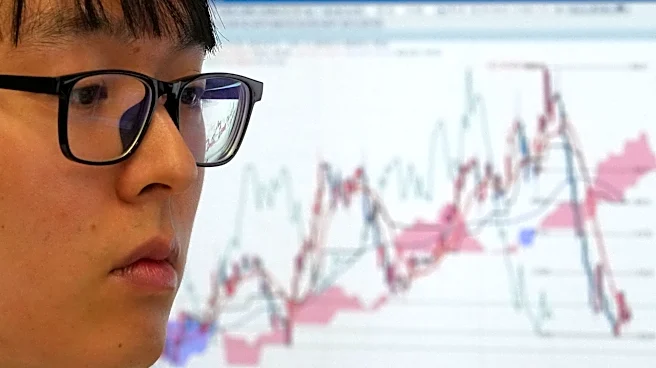
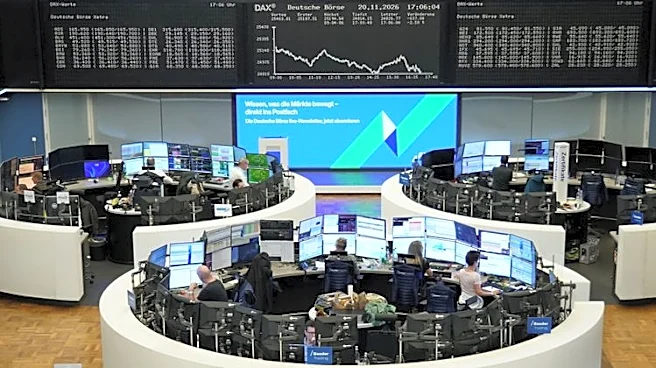
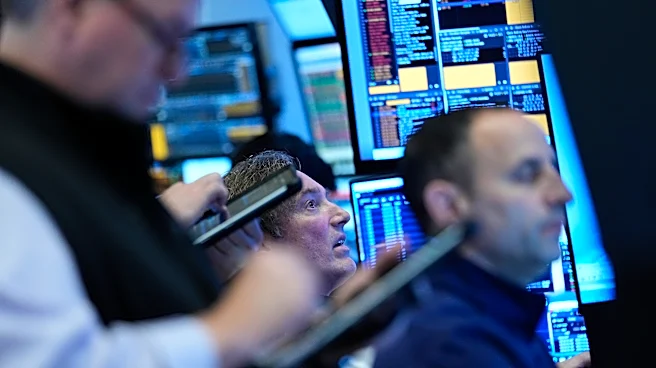
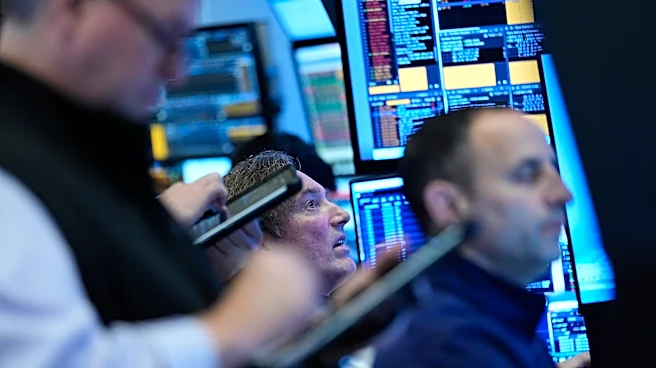
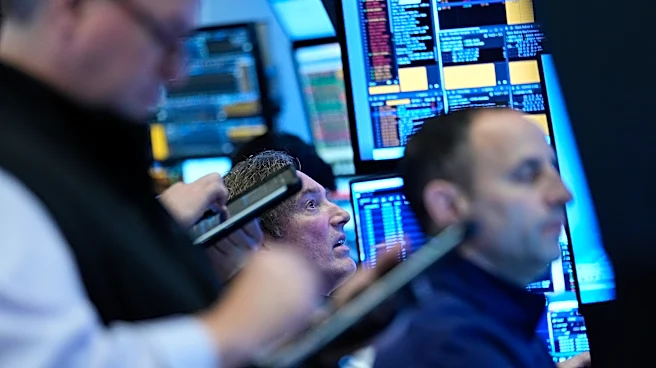
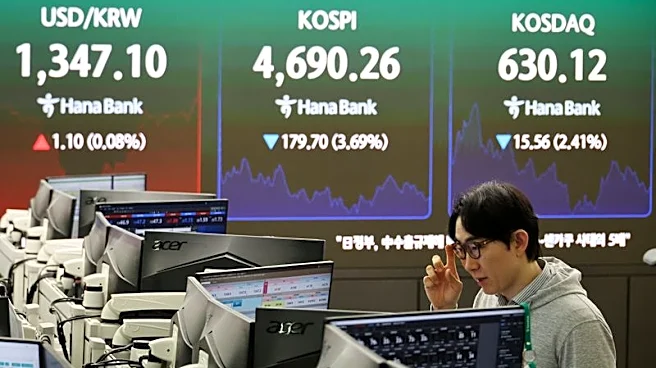
U.S. markets have entered correction territory, with the S&P 500 down over 11% from its October highs and the Nasdaq Composite falling approximately 18%. This downturn is attributed to several factors, including AI spending, turmoil surrounding Nvidia,
trade tensions, midterm election fallout, and persistent inflation. While S&P 500 futures indicate a potential bounce, market volatility is expected to continue. The AI ecosystem is experiencing choppiness, with Nvidia's shares sliding and the impact spreading to companies like Caterpillar, whose growth is increasingly tied to data centers. Data center opposition also emerged as a winning issue in several midterm races, potentially creating more friction for future deals. The bond market, typically a safe haven during stock sell-offs, is not seeing a significant flight to safety, with the 10-year Treasury yield remaining near 5%. This situation is concerning to investors like Bruce K. Lee, founder and CEO of Keebeck Wealth Management, who notes that high bond yields coupled with falling equity prices create a challenging environment.
Why It's Important?
The current market correction and the lack of a 'flight to safety' in the bond market signal a significant shift in investor confidence and economic stability. High bond yields mean increased borrowing costs for U.S. companies and homebuyers, even as stock portfolios shrink, potentially stifling economic growth. The Federal Reserve's ability to manage inflation is also being challenged by a record $40 trillion national debt and a diminished appetite from international partners to hold U.S. Treasuries. Purchases of Treasuries by America's trading partners have decreased by 60% in the first eight months of 2026 compared to the previous year, with Japan, South Korea, and Taiwan significantly reducing their holdings or becoming net sellers. This decline in foreign demand limits the Fed's monetary policy tools and could exacerbate economic pressures. The volatility in the AI sector, a key driver of recent market gains, suggests that its benefits may be unevenly distributed and harder to predict, impacting various industries and investment strategies.
What's Next?
Investors face a critical decision regarding whether the current market situation is a brief pause, a correction within a bull market, or the beginning of a bear market. The economic outlook remains uncertain, with consumer sentiment still low despite a post-midterm rise, as many Americans continue to struggle with basic necessities and housing affordability. The Federal Reserve will likely continue to grapple with inflation while navigating the reduced foreign demand for U.S. Treasuries, which could influence future interest rate decisions and fiscal policy. The ongoing trade war is identified as a potential factor contributing to the decline in Treasury purchases, suggesting that U.S. trade policies could have broader financial implications. The future of the AI revolution, while real, is expected to be choppy, requiring careful monitoring of its impact on various sectors and the broader economy.
Beyond the Headlines
The diminished foreign demand for U.S. Treasuries highlights a deeper geopolitical and economic shift. The statement, 'The people that you’re claiming war against are also our customers who buy our Treasuries,' by Bruce K. Lee, underscores the intricate link between U.S. foreign policy, trade relations, and financial stability. This situation suggests that geopolitical tensions and trade disputes can have direct and significant consequences on the U.S. bond market and the Federal Reserve's operational capacity. The market's struggle to find a 'safe haven' in bonds during a stock sell-off challenges conventional investment wisdom and could lead to a re-evaluation of traditional portfolio diversification strategies. Furthermore, the increasing opposition to data centers in midterm races points to growing local concerns about infrastructure, energy consumption, and environmental impact, which could influence future technological development and investment in the AI sector.