







What's Happening?
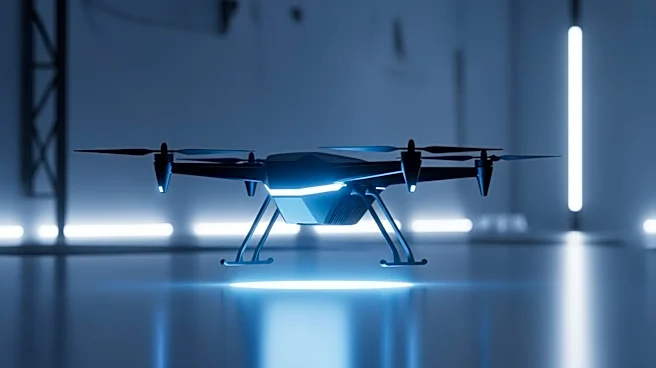
Acodyne, a Danish start-up, has successfully raised pre-seed funding to develop a family of electric cargo drones. The company plans to initiate flight testing of these drones by the end of 2026. This funding marks a significant step for Acodyne as it aims
to establish itself in the growing unmanned aerial vehicle (UAV) market. The electric cargo drones are designed to enhance logistics capabilities, offering a sustainable and efficient alternative to traditional cargo transport methods. The development of these drones is part of a broader trend in the UAV industry, which is increasingly focusing on electric propulsion systems to reduce carbon emissions and operational costs.
Why It's Important?
The funding secured by Acodyne highlights the increasing interest and investment in electric UAV technology, which is poised to revolutionize the logistics and transportation sectors. Electric cargo drones offer a promising solution to the challenges of last-mile delivery, particularly in urban areas where traffic congestion and environmental concerns are prevalent. By reducing reliance on fossil fuels, these drones can significantly lower the carbon footprint of cargo transport. This development also reflects a broader shift towards sustainable technologies in the aviation industry, aligning with global efforts to combat climate change. Companies that invest in such technologies may gain a competitive edge as regulatory pressures and consumer demand for eco-friendly solutions continue to rise.
What's Next?
Acodyne's next steps involve rigorous testing and refinement of their electric cargo drones to ensure they meet safety and performance standards. The company will likely focus on securing partnerships with logistics providers and exploring potential markets for deployment. As the UAV industry evolves, regulatory frameworks will need to adapt to accommodate the integration of drones into commercial airspace. Stakeholders, including government agencies and industry leaders, will play a crucial role in shaping these regulations to ensure safe and efficient drone operations. The success of Acodyne's project could pave the way for further advancements in electric UAV technology and its applications in various sectors.