

What's Happening?
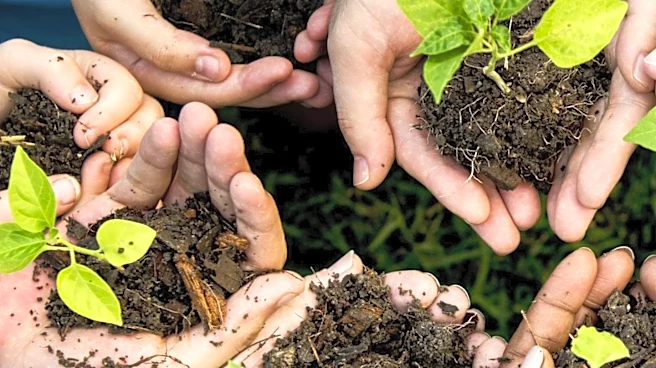
An urban gardening event, 'Urban Gardening 101,' is scheduled for November 16, offering a free hands-on session led by Hilda Krus. Participants will learn essential seed-saving techniques to prepare for future planting seasons. The session will also involve
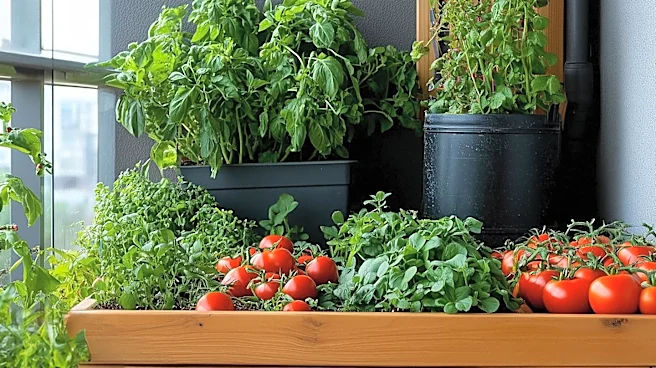
working in a cut flower bed to observe how shorter days and colder weather influence bloom times and plant hardiness. Attendees will compare different plant varieties and assist in harvesting those nearing the end of their life cycle. The event aims to provide practical insights into how plant life cycles are affected by seasonal changes across various garden types and sizes. This initiative supports the growing interest in urban farming and sustainable living practices.
Why It's Important?
This urban gardening event is important as it directly addresses the increasing interest in local food production and sustainable living within urban environments. By teaching seed-saving, it empowers individuals to become more self-sufficient in their food supply, reducing reliance on commercial nurseries and promoting biodiversity. Understanding plant life cycles in varying weather conditions is crucial for successful gardening, especially as climate patterns become less predictable. Such educational programs foster community engagement and knowledge sharing, contributing to a more resilient and environmentally conscious populace. For urban households, these skills can lead to fresher produce, cost savings, and a deeper connection to nature, enhancing overall well-being and local food security.
What's Next?
Following this initial session, future urban gardening initiatives are likely to build upon the foundational knowledge shared, potentially offering more advanced workshops on topics like hydroponics, composting, or pest management. The insights gained from observing plant behavior in colder weather could inform future planting strategies for urban gardeners. There may also be opportunities for participants to share their saved seeds and harvested produce, fostering a stronger community of urban growers. The success of such hands-on events could encourage local organizations to expand their educational offerings, further promoting sustainable gardening practices and local food systems in urban areas.
Beyond the Headlines
The broader implications of events like 'Urban Gardening 101' extend to fostering a deeper appreciation for ecological processes and the origins of food. In an increasingly urbanized society, reconnecting individuals with the natural world through gardening can have significant psychological benefits, reducing stress and promoting mental well-being. Ethically, promoting seed saving challenges the dominance of commercial seed companies and supports genetic diversity in plant species. Legally, increased urban gardening could lead to policy discussions around land use, water rights, and community garden regulations. Culturally, these events contribute to a growing movement towards self-reliance and community resilience, shifting consumer habits towards more sustainable and locally sourced food options.