





What's Happening?
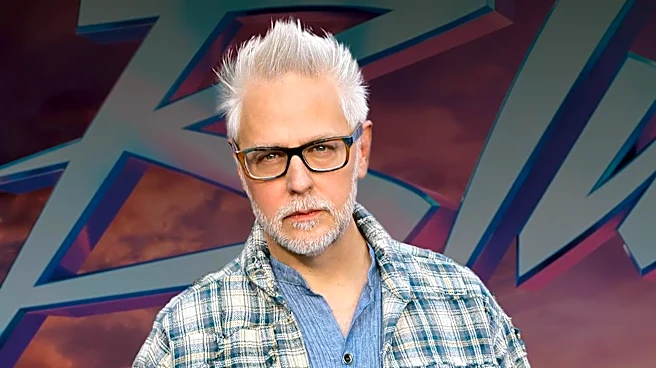
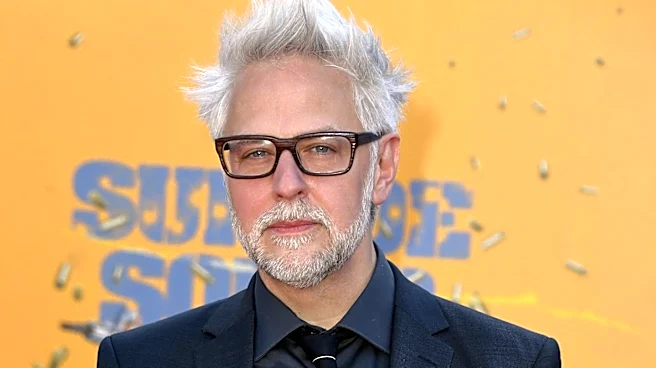
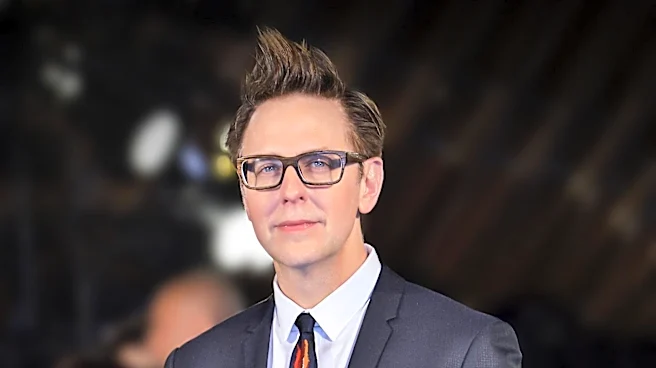
James Gunn, co-head of DC Studios, has addressed ongoing questions regarding the canon of the new DC Universe (DCU) through a special podcast titled 'The Suicide Squad: Is It Canon?'. In this podcast, Gunn concluded that his 2021 film, 'The Suicide Squad,'
is largely canon and, in fact, the first canon film in the DCU. This declaration has generated discussion among fans, as Gunn had previously indicated that 'Blue Beetle' introduced the first DCU character and 'Superman' (formerly 'Superman: Legacy') would be the first DCU film. The podcast also touched upon the future of the character Harley Quinn, with Gunn expressing uncertainty about whether actress Margot Robbie will reprise the role. He stated that he would accommodate Robbie if she wished to return, but would consider other options if she did not. The film's canonical status is supported by its introduction of characters like Peacemaker and the death of Rick Flag Jr., which are relevant to future DCU storylines, including 'Peacemaker' season 2.
Why It's Important?
This clarification from James Gunn is significant for the direction and coherence of the DCU. Establishing 'The Suicide Squad' as the inaugural canon film provides a foundational entry point for the new cinematic universe, potentially influencing how future narratives are developed and perceived by audiences. The decision to integrate elements from a pre-reboot film into the new canon demonstrates a strategic approach to continuity, aiming to leverage popular characters and storylines while building a fresh universe. The uncertainty surrounding Margot Robbie's return as Harley Quinn highlights the challenges of maintaining character consistency across reboots and the potential impact on fan engagement. The DCU's strategy, as articulated by Gunn, emphasizes individual story integrity over strict franchise world-building, aiming to avoid the 'comic book fatigue' often associated with overly convoluted continuities. This approach could differentiate the DCU from other cinematic universes by prioritizing compelling standalone narratives that can also connect to a broader tapestry.
What's Next?
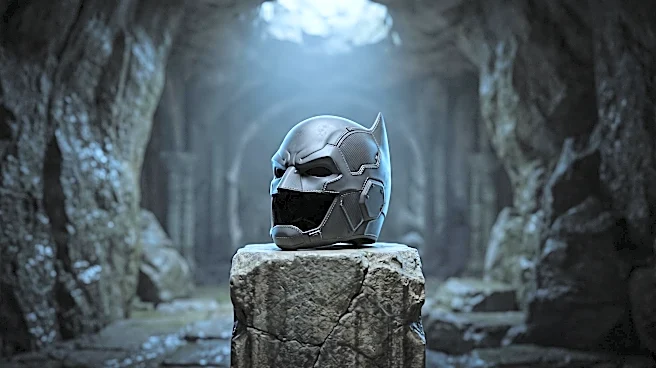
The immediate next step is the release of the special podcast episode, 'The Suicide Squad: Is It Canon?', which is expected to provide further details and explanations regarding the film's place in the DCU. Following this, the casting for the new DCU Batman is anticipated to begin soon, with Gunn indicating that the character will be around the same age as Superman. The next major DCU movie, 'Man of Tomorrow,' is scheduled for release on July 9, 2027. This film will be a crucial test of the new canonical framework and Gunn's vision for the DCU. The ongoing discussions about character continuity, particularly for popular figures like Harley Quinn, will likely continue as the DCU progresses, with potential recasting decisions being a key point of interest for fans and industry observers.
Beyond the Headlines
The decision to retroactively declare 'The Suicide Squad' as the first canon film in the DCU, despite previous statements, reflects a dynamic and evolving strategy for managing a complex cinematic universe. This flexibility in defining canon could be a double-edged sword; while it allows for the retention of popular elements and characters, it also risks confusing audiences and undermining the perceived stability of the new continuity. The emphasis on 'diamond characters' like Superman, Batman, and Wonder Woman, alongside the development of 'smaller characters' into significant figures, suggests a long-term plan for character development and audience investment. The DCU's stated goal of fostering 'filmmaker freedom' and allowing for 'multiple tones and ratings' indicates a departure from a monolithic approach, potentially leading to a more diverse and creatively rich cinematic landscape. This strategy aims to balance overarching connectivity with the integrity of individual stories, drawing parallels to the long-standing narrative approach of franchises like Star Wars.