



What's Happening?
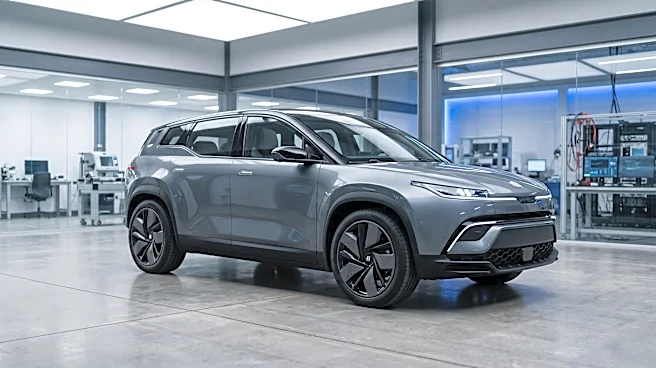
A Rivian R2 Performance Launch Edition owner, Jose Castillo, is receiving a replacement vehicle from Rivian due to ongoing issues with the AC compressor. The initial AC compressor failure occurred within the first month of ownership while Castillo was
in South Florida, experiencing 98-degree heat. Rivian promptly addressed the initial issue at no cost. However, upon a recent return to service for continued problems, Rivian's engineering team identified the situation as unique and expressed interest in using Castillo's vehicle for further study. In exchange for his R2, Rivian offered a new replacement vehicle. Castillo, who is the founder of RivianTrackr and has extensively driven Rivian vehicles, has agreed to the swap, viewing it as an opportunity for Rivian to learn and improve its products. He plans to keep his audience updated on the replacement process.
Why It's Important?
This incident highlights Rivian's commitment to customer satisfaction and product improvement, particularly in addressing critical component failures. While an AC compressor issue might seem minor, its recurrence in a new electric vehicle, especially in extreme climates like South Florida, can significantly impact customer experience and perception of reliability. Rivian's decision to replace the entire vehicle and use the problematic unit for engineering analysis demonstrates a proactive approach to quality control and product development. This could bolster consumer confidence in Rivian's willingness to stand behind its vehicles and continuously refine its technology. For the broader electric vehicle market, such actions set a precedent for how manufacturers handle early-stage product defects, influencing customer loyalty and brand reputation in a competitive landscape. The data gathered from this specific vehicle could lead to design or manufacturing improvements, benefiting future Rivian owners and potentially influencing industry standards for EV component durability.
What's Next?
Jose Castillo is currently working with Rivian to finalize the details of his replacement R2. He has not yet received a new Vehicle Identification Number (VIN) or specific information about the new vehicle. He intends to provide updates on his R2 journey through videos and articles on RivianTrackr. The new R2's AC system will undergo immediate testing in Florida's persistent heat. Rivian's engineering team will analyze the returned R2 to understand the root cause of the persistent AC compressor issues. This analysis could lead to internal design changes, software updates, or manufacturing process adjustments for future R2 units. The outcome of this investigation and any subsequent product enhancements will be crucial for Rivian as it continues to scale production and expand its R2 lineup.
Beyond the Headlines
The situation with the Rivian R2's AC compressor, while seemingly an isolated incident, touches upon broader themes within the nascent electric vehicle industry. The willingness of Rivian's engineering team to acquire and study a problematic vehicle underscores the iterative nature of EV development, where real-world performance data is invaluable for refining designs and improving reliability. This approach contrasts with traditional automotive manufacturing, which often relies on extensive pre-production testing. For EV manufacturers, the rapid pace of technological advancement and the introduction of new platforms mean that some issues may only emerge after vehicles are in customer hands. Rivian's transparent handling of this issue, by replacing the vehicle and using it for learning, could foster a culture of trust and collaboration between manufacturers and early adopters, which is vital for the long-term success and widespread adoption of electric vehicles. It also highlights the importance of robust climate control systems in EVs, especially as they are deployed in diverse and challenging environmental conditions.