






What's Happening?
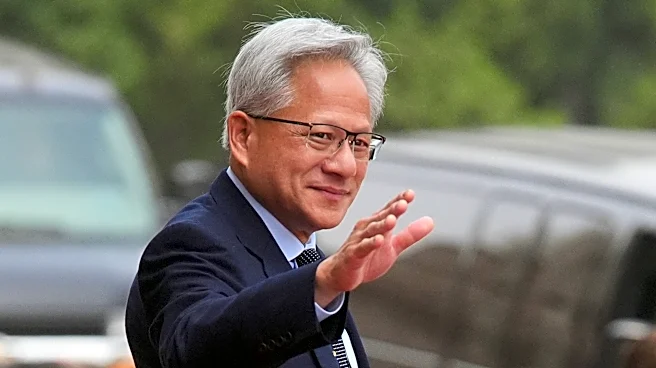
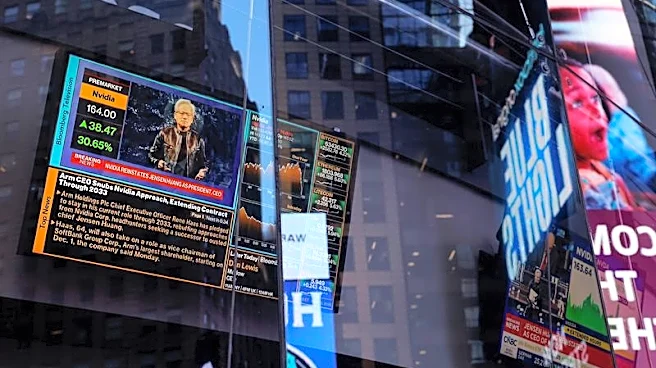
A significant market rally has been sparked by the return of Jensen as CEO of Nvidia, following a historic seven-day losing streak. This reinstatement, which occurred just 11 days after his resignation, was facilitated by the President Trump administration.
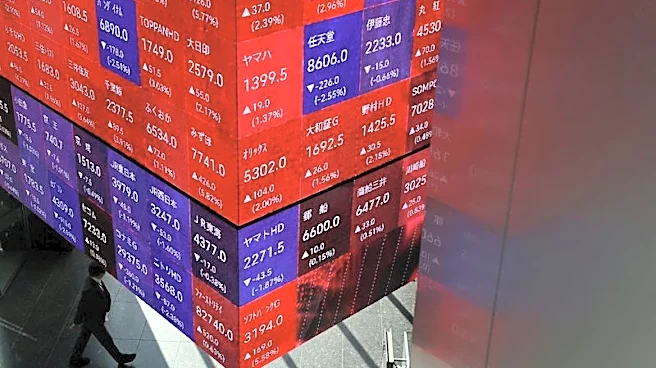
Nvidia's shares have surged over 35%, contributing to gains exceeding 3% across the four major U.S. benchmarks, with the Nasdaq 100 leading with an 8% lift. All eleven principal sectors and associated subcategories are participating in this climb. The market's renewed confidence is also supported by lower fuel costs, resulting from the White House's diplomatic efforts in the Middle East, which are quelling geopolitical premiums and suppressing inflation expectations. Additionally, weaker-than-anticipated Flash PMI services data is contributing to duration bids. Non-energy commodities, the U.S. dollar, and cryptocurrencies are strengthening, while volatility protection instruments are becoming less expensive, though the VIX at 29 still indicates market nervousness.
Why It's Important?
This event underscores the profound influence of key leadership figures and government actions on market sentiment and economic stability. Jensen's return to Nvidia, a pivotal company in the AI sector, is seen as a strong signal for the continued robust momentum of modern technology, alleviating fears of a slowdown. The President Trump administration's involvement highlights the government's capacity to intervene and shape corporate leadership, particularly in strategically important industries. The resulting market rally, characterized by significant gains across major U.S. benchmarks and a surge in Nvidia's stock, demonstrates how such developments can rapidly restore investor confidence and drive substantial economic activity. Furthermore, the interplay of diplomatic efforts to reduce oil prices and their impact on inflation expectations illustrates the interconnectedness of geopolitical events, energy markets, and domestic economic conditions, directly affecting consumer purchasing power and corporate operational costs.
What's Next?
The market is poised for a potential year-end surge, fueled by revitalized growth prospects and favorable short-term disinflationary trends. The lifting of equity exposures is anticipated as investors respond to the renewed optimism surrounding AI momentum and the broader economic expansion. A Consumer Price Index decrease in November, which would further suppress annualized cost forces, is becoming more likely, especially with gasoline charges continuing their decline ahead of the Federal Reserve's final rate decision of 2026. Governments globally are also stepping up efforts to bolster markets and soothe participant fears, suggesting a continued supportive environment for economic recovery. The sustained impact of Jensen's leadership on AI development and the broader tech sector will be closely watched, as will the ongoing effects of diplomatic solutions on energy prices and inflation.
Beyond the Headlines
The rapid market response to Jensen's return and the President Trump administration's role in it highlights the intricate relationship between political influence, corporate governance, and investor psychology. This situation raises questions about the extent to which government intervention in corporate leadership, even if indirect, can be perceived as a stabilizing or distorting force in free markets. The narrative of a single individual's return igniting a market rally also underscores the 'cult of personality' phenomenon in the tech industry, where key figures are seen as indispensable to a company's and even an industry's success. Ethically, the administration's involvement could be scrutinized for its potential to set precedents regarding government influence over private sector appointments. Economically, the event reinforces the critical role of the AI sector as a driver of growth and market sentiment, suggesting that its health is increasingly tied to broader economic stability and investor confidence.