






What's Happening?
AST SpaceMobile and Rakuten have formed a new joint venture, Rakuten AST, Inc., in Japan, following an agreement reached on November 6, 2026. This partnership, a 51/49 split, aims to establish a dedicated Japanese satellite venture focused on national
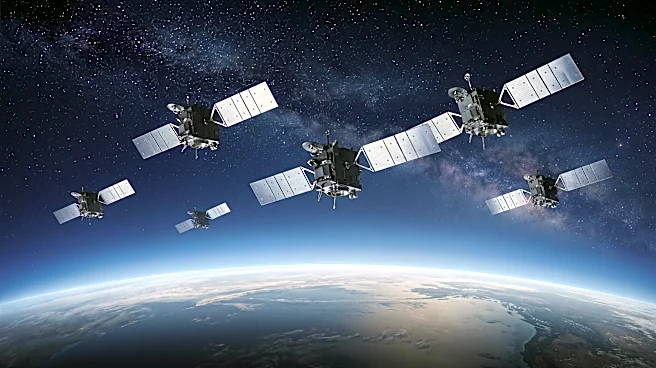
communications resilience. The project, known as J-LEO (Japan’s Low Earth Orbit Satellite Communications Project), will receive up to ¥148 billion in public funding over approximately three years. Rakuten AST, Inc. will be responsible for purchasing satellites, managing space-network operations, and facilitating direct connections to standard smartphones. The primary goal is to enhance coverage in remote areas and maintain mobile connectivity during emergencies such as earthquakes and storms, which can disrupt terrestrial networks. Rakuten has been collaborating with AST since 2020, and this new venture signifies a more formalized and dedicated approach to satellite communication infrastructure in Japan.
Why It's Important?
This partnership is crucial for Japan's national infrastructure and resilience, particularly in a region prone to natural disasters. By improving communication coverage in remote areas and ensuring connectivity during emergencies, the J-LEO project directly addresses critical public safety and disaster response needs. For AST SpaceMobile, this venture strengthens its business model by securing a significant international partnership and a substantial funding commitment. While the immediate focus is on Japan, the success of this project could serve as a blueprint for similar satellite communication initiatives in other countries, potentially influencing global telecommunications strategies. The development of technology to connect directly to ordinary smartphones from satellites could also revolutionize mobile connectivity, reducing reliance on traditional cellular infrastructure and expanding access to underserved populations worldwide.
What's Next?
Rakuten Mobile plans to commence testing with AST, though this does not guarantee immediate consumer availability. The venture's target is to establish its satellite constellation and begin domestic operations in Japan by the end of March 2029. This timeline indicates a phased approach, with testing in 2026 preceding full operational launch. The project will require significant progress in satellite deployment, regulatory approvals, and carrier arrangements. The success of these initial phases will be critical in determining the broader impact and potential expansion of this technology. U.S. availability remains a separate consideration, dependent on AST's existing U.S. partnerships and future regulatory and commercial agreements.
Beyond the Headlines
The Rakuten AST partnership represents a significant step towards a future where satellite-to-phone connectivity is commonplace. This technology has the potential to bridge the digital divide, offering internet and communication services to remote and rural areas that are currently underserved by traditional ground-based networks. However, it also raises questions about spectrum allocation, international regulatory frameworks, and the potential for increased space debris from large satellite constellations. The emphasis on national communications resilience highlights a growing global concern for robust infrastructure in the face of climate change and geopolitical instability. The long-term implications could include a shift in how mobile network operators function, potentially leading to new business models and increased competition in the telecommunications industry.