



What's Happening?
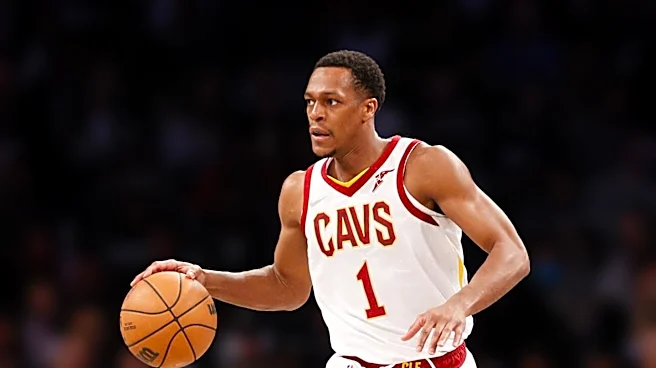
Rick Carlisle, currently the head coach of the Indiana Pacers and former coach of the Dallas Mavericks, has openly expressed regret over the Mavericks' acquisition of Rajon Rondo in December 2014. Carlisle stated, "It's a deal we should have shied away
from. It's a deal we shouldn't have made." The trade involved sending Jae Crowder, Brandan Wright, and Jameer Nelson to the Boston Celtics in exchange for Rondo. The Mavericks, who had started the season with a 19-8 record, aimed to bolster their offense and become a stronger Western Conference contender. However, Carlisle reportedly harbored concerns about Rondo's ball-dominant style and inefficient shooting, which he believed did not align with his system. These concerns proved accurate, as Rondo struggled to integrate into the team, frequently clashed with Carlisle, and displayed a noticeable lack of chemistry with teammates. The team's offense declined significantly during Rondo's tenure, dropping from the league's best to fourth in points per game by late February. The situation culminated in the playoffs when Rondo was benched after a poor performance in Game 2 against the Houston Rockets and did not play again, with the team citing a back injury that was later suggested to be a cover. Both sides agreed to part ways shortly after.
Why It's Important?
This reflection from Rick Carlisle highlights the significant risks and potential pitfalls involved in high-stakes NBA trades, particularly when player personalities and coaching philosophies do not align. The Rondo trade was a major move for the Mavericks, intended to elevate them to championship contention, but it ultimately disrupted team chemistry and performance. For NBA franchises, such failed acquisitions can have long-lasting consequences, impacting team morale, financial resources, and future strategic decisions. It underscores the importance of thorough evaluation beyond just talent, considering how a player's style and personality will fit within an existing team structure and coaching system. The public acknowledgment of regret by a respected coach like Carlisle also serves as a cautionary tale for other teams contemplating similar high-profile, potentially disruptive trades. The incident demonstrates how even a player with Rondo's pedigree and past success can be a poor fit, leading to a detrimental outcome for all parties involved.
What's Next?
While the events surrounding Rajon Rondo's departure from the Dallas Mavericks are historical, Carlisle's recent comments serve as a reminder of the ongoing scrutiny and evaluation that coaches and front offices face regarding personnel decisions. For current NBA teams, the lesson from this past transaction reinforces the need for careful consideration of player-coach dynamics and system fit when pursuing trades. Future trade deadlines and free agency periods will likely see teams applying these lessons, prioritizing players who not only possess talent but also complement the existing team culture and strategic vision. For Carlisle, now with the Indiana Pacers, his experience with Rondo likely informs his approach to player acquisitions and team building, emphasizing cohesion and compatibility. The broader NBA landscape will continue to see teams striving to avoid similar missteps, focusing on comprehensive evaluations to ensure that new additions genuinely enhance team performance and chemistry.
Beyond the Headlines
The Rondo-Mavericks saga, as revisited by Rick Carlisle, delves deeper than just a failed trade; it touches upon the complex human element within professional sports. It illustrates how individual personalities, coaching styles, and team dynamics can either create synergy or lead to significant friction, regardless of the talent involved. The public nature of the fallout, including Rondo's eventual benching and the team's official explanation of an injury, highlights the intricate dance between public perception and internal team management. This situation also brings to light the pressure on coaches and general managers to make decisions that are not only strategically sound but also maintain team harmony. The long-term impact on Rondo's career trajectory, as he later admitted the difficulty of his time in Dallas while also learning from it, underscores the personal and professional growth that can emerge even from challenging experiences. It's a testament to the idea that not every talented player is a fit for every system, and sometimes, parting ways is the best outcome for all involved.