



What's Happening?
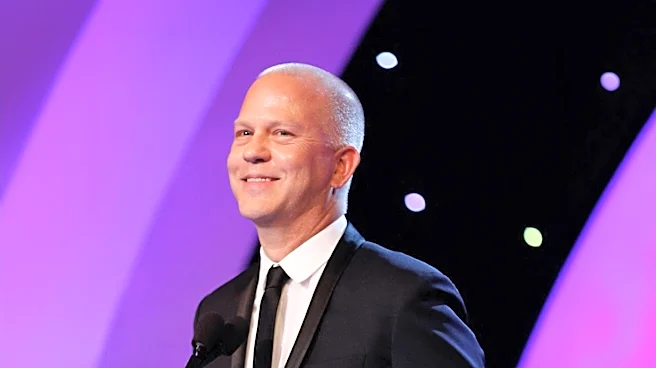
Ryan Murphy, the creator of the popular series 'Glee,' announced in September that he has completed a script for a reboot of the show. This was formally confirmed by the show's official account on October 21. The original series, which aired from 2009
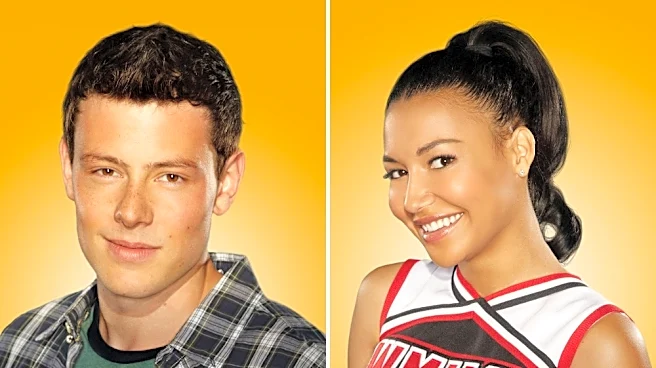
to 2015, was known for its blend of humor and social commentary, addressing issues like the nationwide legalization of gay marriage and the election of President Barack Obama. However, the show also faced criticism for its portrayal of certain social issues and for alleged mistreatment of cast members by Lea Michele. The potential reboot comes at a time when audiences are divided on how to address the deaths of three original cast members and the controversial past conduct of some actors. Fans are particularly vocal about how characters like Santana Lopez and Noah 'Puck' Puckerman should be handled, given the real-life circumstances surrounding their actors.
Why It's Important?
The planned 'Glee' reboot holds significant importance for the entertainment industry and its audience, particularly in the U.S. The original series was a cultural phenomenon, influencing discussions on social issues and normalizing LGBTQ+ characters on television. A reboot could either rekindle its positive impact or exacerbate existing criticisms regarding its handling of sensitive topics and cast dynamics. For the entertainment industry, it highlights the challenges of reviving beloved franchises while navigating past controversies and evolving societal expectations. The audience's divided opinions on how to address deceased characters and actors involved in legal issues underscore the ethical considerations in television production. The success or failure of this reboot could set a precedent for how other classic shows approach their returns, especially concerning cast conduct and sensitive narrative elements. It also reflects the ongoing debate about accountability and redemption in Hollywood.
What's Next?
The immediate next steps involve Ryan Murphy's decisions on casting and how he plans to address the various fan and cast concerns. While Lea Michele has confirmed her return, and others like Darren Criss and Chord Overstreet have teased theirs, it remains uncertain if a full cast reunion is feasible given past allegations of mistreatment. Murphy will need to navigate the delicate balance of honoring the show's legacy while addressing its problematic aspects and the real-life tragedies involving cast members. The handling of characters like Santana Lopez and Noah 'Puck' Puckerman will be crucial, with fans advocating for respectful tributes or complete omission depending on the character. The reception of the reboot will largely depend on Murphy's ability to learn from past criticisms and deliver a show that resonates positively with a contemporary audience, potentially setting a new standard for reboots in the current media landscape.
Beyond the Headlines
The 'Glee' reboot delves into deeper implications concerning the ethics of media production and the long-term impact of celebrity behavior. The criticisms against Ryan Murphy for sensationalizing real crimes in other series, such as 'Monster,' raise questions about his approach to sensitive content. The show's past controversies, including a school shooting episode aired shortly after the Sandy Hook tragedy, highlight the ethical tightrope creators walk when incorporating real-world events into fiction. Furthermore, the allegations against Lea Michele and the legal issues surrounding Mark Salling underscore the evolving public scrutiny of actors' conduct both on and off-set. This situation reflects a broader cultural shift where audiences demand greater accountability from public figures and media creators. The reboot's success will not only be measured by viewership but also by its ability to navigate these complex ethical and cultural dimensions, potentially influencing how future reboots address their own historical baggage and societal responsibilities.