




What's Happening?
Several major artificial intelligence firms, including OpenAI and Anthropic, are preparing for initial public offerings (IPOs) to raise significant capital. These IPOs are being closely watched as they may indicate whether the current AI boom is sustainable
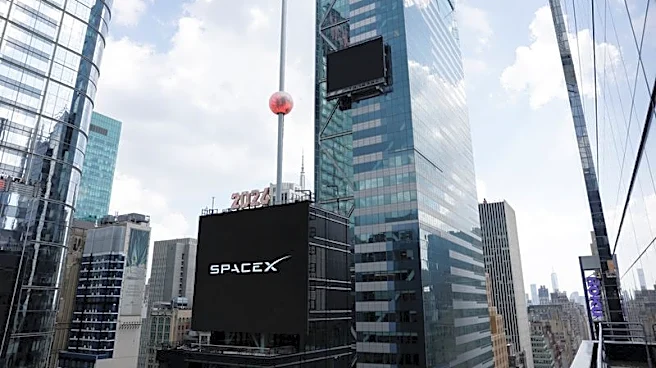
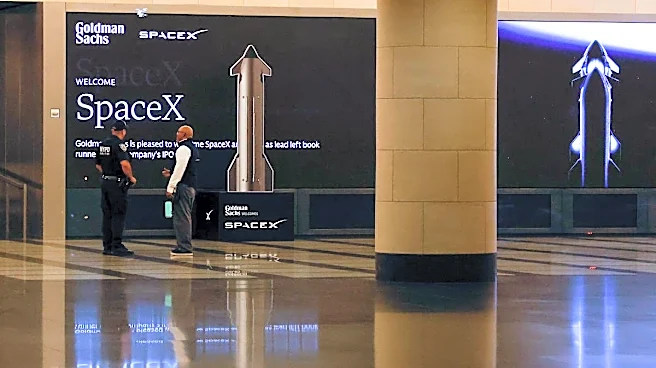
or if it is nearing its peak. The excitement surrounding these IPOs has been fueled by extensive public relations efforts and the recent success of SpaceX's IPO, which was also linked to the AI trend. However, there are concerns that the AI industry may be overvalued, with some insiders suggesting that the rush to go public is a sign that the AI bubble is about to burst. Despite the hype, many AI companies have yet to turn a profit, and there are growing doubts about the promised cost savings and productivity gains from AI technologies.
Why It's Important?
The potential bursting of the AI bubble could have significant implications for investors and the tech industry. If the AI sector is indeed overvalued, it could lead to a market correction, affecting stock prices and investor confidence. This situation could also impact companies that have heavily invested in AI, as they may face financial challenges if the expected returns do not materialize. Additionally, the outcome of these IPOs could influence future investment in AI and related technologies, shaping the direction of innovation and development in the tech sector. The broader economic impact could be substantial, as AI is seen as a key driver of future growth and competitiveness.
What's Next?
As the IPOs approach, investors and market analysts will be closely monitoring the performance of these AI firms. The success or failure of these public offerings could set the tone for future investments in AI and technology. Companies planning to go public will need to demonstrate their ability to generate sustainable profits and deliver on the promises of AI. Meanwhile, regulatory scrutiny and public perception of AI's impact on jobs and privacy may also play a role in shaping the industry's future. Stakeholders will be watching for any signs of a shift in market sentiment or regulatory changes that could affect the AI landscape.