







What's Happening?
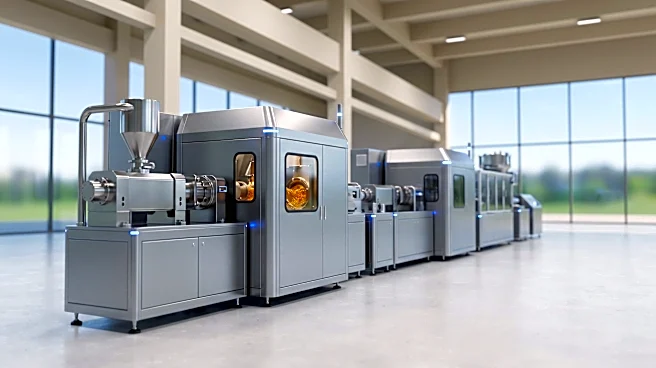
Syensqo is investing in a new compounding line for high-performance aromatic polymers at its Panoli site in India. This expansion aims to double Syensqo's current compounding capacity at Panoli and is projected to be operational by the first quarter of
2028. The new line will be the initial asset in a modular compounding hub, designed to offer flexibility across Syensqo’s aromatic polymers portfolio. It will be capable of compounding a diverse range of materials, including Ryton polyphenylene sulfide (PPS), KetaSpire polyetheretherketone (PEEK), Amodel polyphthalamide (PPA), and Ixef polyarylamide (PARA). This strategic investment is intended to allow Syensqo to efficiently adjust production in response to evolving customer and market demands, particularly within India's rapidly growing automotive sector. The company's aromatic polymers are crucial for demanding automotive applications that require high-temperature and chemical resistance, mechanical performance, and lightweighting.
Why It's Important?
This investment is significant for the U.S. and global automotive industries as it strengthens Syensqo’s supply capabilities in India, a key market for automotive manufacturing. By increasing local production, Syensqo can better serve both local and global automotive manufacturers and suppliers, while also exploring opportunities in other industrial sectors. This move aligns with the Indian government's 'Make in India' initiative, which promotes the localization of manufacturing and supply chains. For U.S. automotive companies with operations or supply chains in India, this expansion could lead to more efficient and reliable access to advanced polymer materials, potentially reducing lead times and logistical complexities. The availability of high-performance polymers locally supports the trend towards lightweighting and enhanced material performance in vehicle manufacturing, which is critical for meeting fuel efficiency standards and improving vehicle safety and durability. This also signifies a broader trend of chemical companies investing in emerging markets to be closer to their customer base and capitalize on regional growth.
What's Next?
The new compounding line is expected to be operational by the first quarter of 2028. Following its launch, Syensqo will likely focus on integrating this increased capacity into its global supply chain and optimizing production to meet the specific needs of its automotive and other industrial clients in India and the broader Asia Pacific region. The company will also continue to monitor market trends and customer requirements to adapt its production capabilities accordingly. This expansion could lead to further investments in the region as Syensqo aims to solidify its position in a critical growth market. The success of this modular compounding hub could also influence future investment strategies in other high-growth regions, potentially leading to similar localized production expansions globally.
Beyond the Headlines
Beyond the immediate impact on supply chains and manufacturing, this investment highlights the increasing importance of advanced material solutions in the automotive industry's evolution. The demand for high-performance polymers that offer superior resistance to temperature and chemicals, along with mechanical strength and lightweight properties, is driven by the industry's push towards electric vehicles and more sustainable manufacturing practices. The localization of production, as encouraged by initiatives like 'Make in India,' also reflects a global shift towards more resilient and regionally focused supply chains, reducing reliance on distant manufacturing hubs. This trend could have long-term implications for global trade patterns and industrial development, fostering greater self-sufficiency in key manufacturing regions. Furthermore, Syensqo's commitment to supporting market and customer growth in Asia Pacific underscores the region's growing strategic importance in the global chemical and automotive sectors.