









What's Happening?
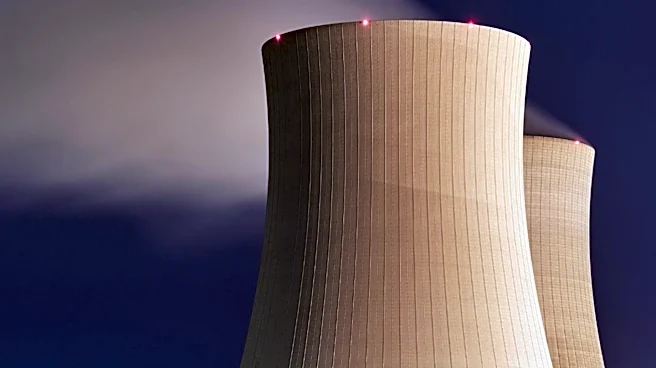
Walmart has entered into a long-term nuclear power purchase agreement with Constellation, a major energy company, to secure emissions-free electricity from the Dresden Clean Energy Center in Illinois. This agreement, which spans two 15-year terms starting
in 2029 and 2030, involves the purchase of approximately 176 megawatts of wholesale supply, including 30 megawatts of expanded generating capacity. The initiative aims to support reliable nuclear energy in the region, enabling efficiency upgrades that increase output from existing nuclear units without the need for new facilities. This move is part of Walmart's strategy to access cleaner energy and strengthen local energy infrastructure while maintaining low prices for customers.
Why It's Important?
This agreement marks a significant step for Walmart as it represents the company's first nuclear power purchase agreement, highlighting a shift towards sustainable energy solutions. By investing in nuclear power, Walmart is contributing to the reduction of carbon emissions, supporting local jobs, and bolstering economic activity in Illinois. The deal also underscores the growing trend among large corporations to seek out renewable and emissions-free energy sources to meet sustainability goals. This could potentially influence other retailers and industries to consider similar agreements, thereby accelerating the transition to cleaner energy across the U.S.
What's Next?
The agreement is expected to facilitate the development of Walmart's high-tech perishable distribution center in Belvidere, Illinois, by providing the necessary power to support its operations. As the terms of the agreement commence in 2029, Walmart and Constellation will likely focus on implementing the planned efficiency upgrades at the Dresden Clean Energy Center. This could involve further investments in technology and infrastructure to maximize the output and reliability of the nuclear facility. Additionally, the success of this agreement may prompt Walmart to explore further opportunities in renewable energy, potentially expanding its clean energy portfolio.