







What's Happening?
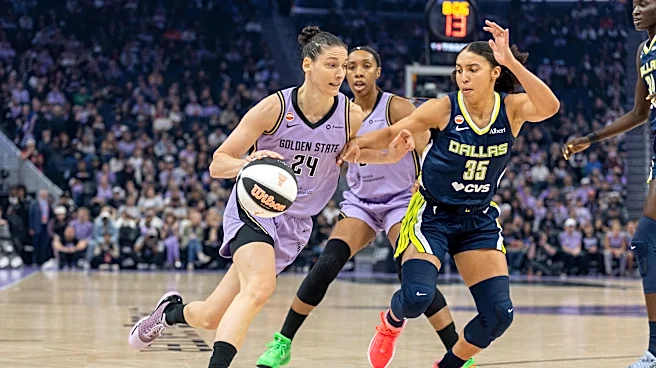
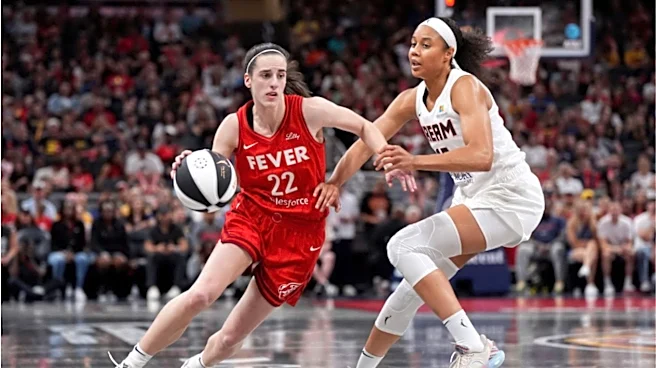
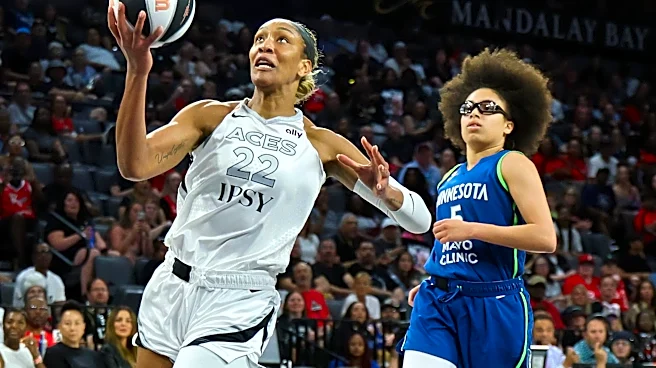
The Women's National Basketball Association (WNBA) marked a significant milestone with its inaugural game on June 21, 1997, between the New York Liberty and the Los Angeles Sparks at the Great Western Forum in Inglewood, California. This event was a culmination
of efforts led by Val Ackerman, the first president of the WNBA, and featured prominent players like Lisa Leslie and Rebecca Lobo. The game ended with the Liberty defeating the Sparks 67-57. Despite the excitement, the game was noted for its nervous energy and less polished play, reflecting the newness of the league. The WNBA has since grown significantly, expanding its teams and increasing its viewership and media presence.
Why It's Important?
The inaugural game of the WNBA was a pivotal moment in sports history, providing a professional platform for women basketball players in the United States. It represented a breakthrough in gender equality in sports, offering women athletes opportunities previously unavailable domestically. The league's establishment has had a lasting impact, inspiring future generations of female athletes and contributing to the broader movement for women's rights in sports. The WNBA's growth over the years underscores its success and the increasing acceptance and support for women's professional sports.
What's Next?
As the WNBA celebrates its 30th season, the league continues to expand, with plans to add more teams by 2030. The anniversary game between the Liberty and the Sparks serves as a reminder of the league's origins and its journey. The WNBA's future includes further growth in viewership and media deals, as well as continued efforts to enhance the quality of play and the visibility of women's basketball. The league's ongoing development will likely influence other sports organizations to invest in women's sports, promoting further gender equality in athletics.
Beyond the Headlines
The WNBA's inception and growth highlight broader cultural shifts towards gender equality and the empowerment of women in sports. The league's success challenges traditional gender roles and stereotypes, promoting a more inclusive and diverse sports culture. Additionally, the WNBA's establishment has encouraged discussions about pay equity and representation in sports, influencing policies and practices in other professional leagues. The league's impact extends beyond basketball, contributing to societal changes in how women's achievements are recognized and valued.