



What's Happening?
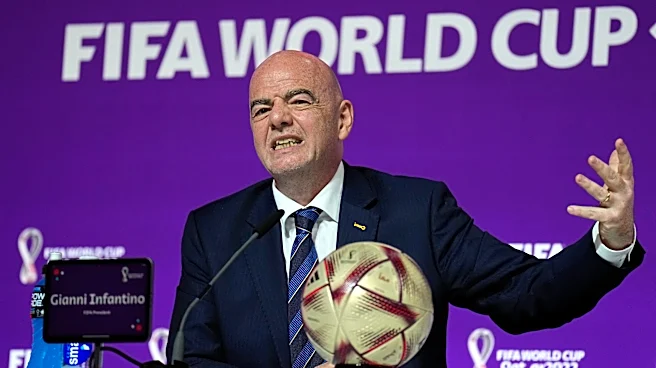
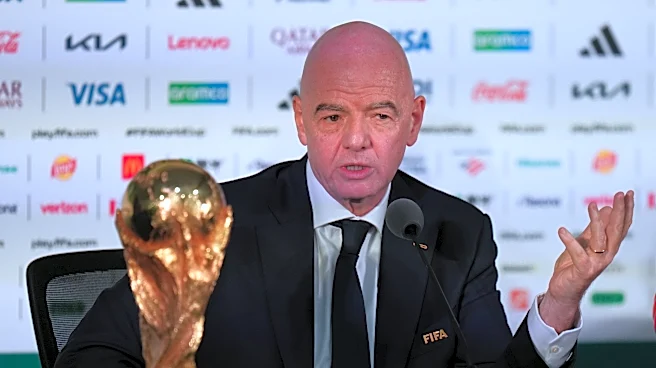
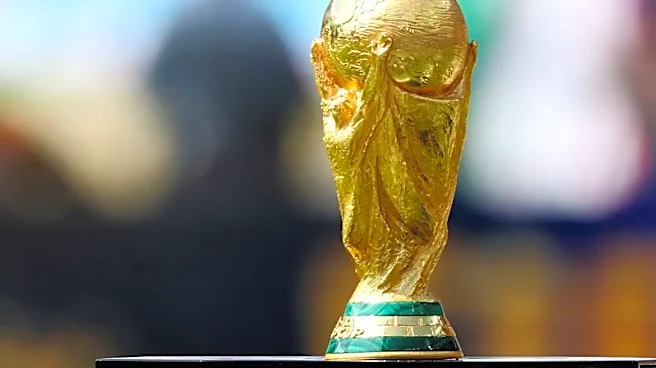
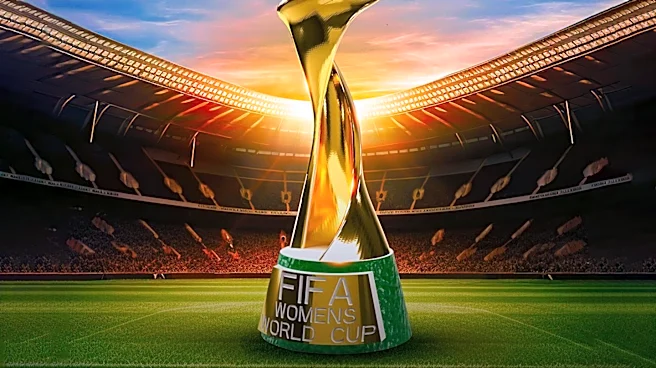
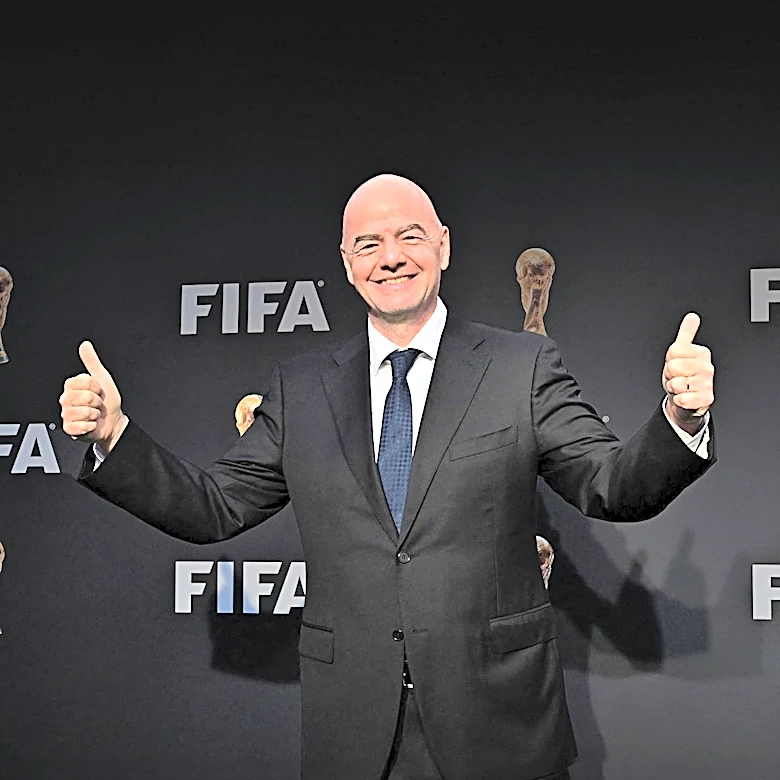
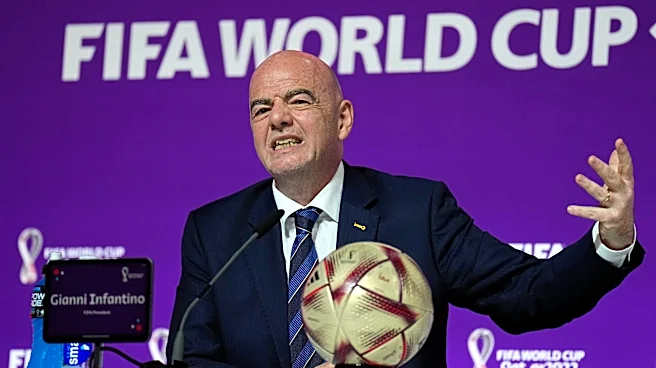
FIFA President Gianni Infantino has decided to abandon a controversial plan to sell equity in the World Cup, following significant global opposition. The proposal involved creating a $20 billion spinoff company for FIFA's commercial operations, including
the men's and women's World Cups and Club World Cups. The lead investor was identified as a New York investment firm founded by Joshua Kushner. Infantino's decision came after backlash from various soccer governing bodies, including UEFA, the Asian Football Confederation, and CONCACAF, which represent a significant portion of FIFA's voting membership. These organizations criticized the plan as an attempt to commercialize the World Cup, threatening the sport's integrity. Infantino's senior adviser, Carlos Cordeiro, resigned in protest, and FIFA's COO, Kevin Lamour, publicly opposed the project.
Why It's Important?
The abandonment of the investment plan is significant as it highlights the tension between commercial interests and the preservation of soccer's traditional values. The plan's rejection by major soccer federations underscores the importance of maintaining the World Cup's legacy as a sporting event rather than a commercial product. This decision also reflects the power dynamics within FIFA, where member associations can influence major decisions. The controversy has further implications for FIFA's leadership, as calls for Infantino's ouster may continue. The situation also emphasizes the need for transparency and consultation in decision-making processes within international sports organizations.
What's Next?
While the immediate plan has been shelved, the broader implications for FIFA's governance and leadership remain. There may be continued pressure on Infantino to step down, and FIFA will need to address the concerns raised by its member associations. The organization may also need to reconsider its approach to commercial ventures and ensure that future proposals align with the interests of the global soccer community. Additionally, FIFA's plans for expanding the World Cup to 64 teams by 2030 may face increased scrutiny, requiring careful negotiation with member associations to avoid similar backlash.