






What's Happening?
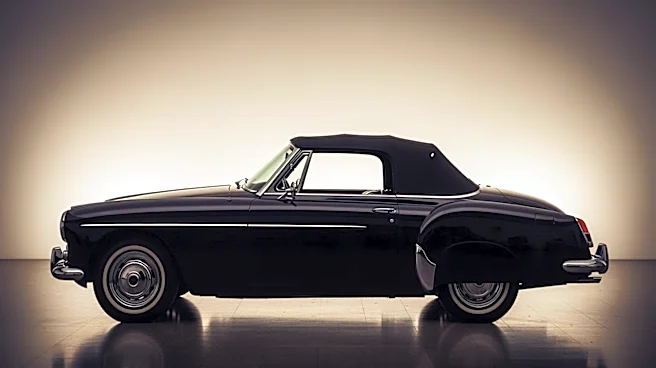
The Chevrolet Corvette, a symbol of American automotive engineering since its debut in 1953, faced a significant change in 1975 when Chevrolet decided to discontinue the convertible model. This decision was influenced by several factors, including the oil
crisis, which led to soaring gas prices, and tightening emissions regulations. Additionally, there were concerns about rollover safety standards that threatened the viability of convertible models. As a result, the last convertible Corvette of that era rolled off the production line in July 1975, leaving consumers with only the coupe option for over a decade. It wasn't until 1986 that Chevrolet reintroduced the convertible Corvette, following a period of regulatory adjustments and a drop in gas prices.
Why It's Important?
The discontinuation of the convertible Corvette in 1975 highlights the impact of external factors such as economic conditions and regulatory changes on the automotive industry. The oil crisis and stricter emissions standards forced manufacturers to adapt their product lines, often at the expense of consumer preferences. The absence of a convertible option for over a decade likely affected Chevrolet's market share and brand perception among sports car enthusiasts. The eventual return of the convertible in 1986 marked a shift in market conditions and regulatory environments, allowing Chevrolet to once again cater to consumer demand for open-top sports cars.
What's Next?
With the reintroduction of the convertible Corvette in 1986, Chevrolet demonstrated its ability to adapt to changing market conditions and regulatory landscapes. Moving forward, the company may continue to innovate and adjust its product offerings in response to evolving consumer preferences and environmental standards. The automotive industry as a whole is likely to face ongoing challenges related to emissions regulations and fuel efficiency, prompting manufacturers to explore new technologies and design solutions to meet these demands.