




What's Happening?
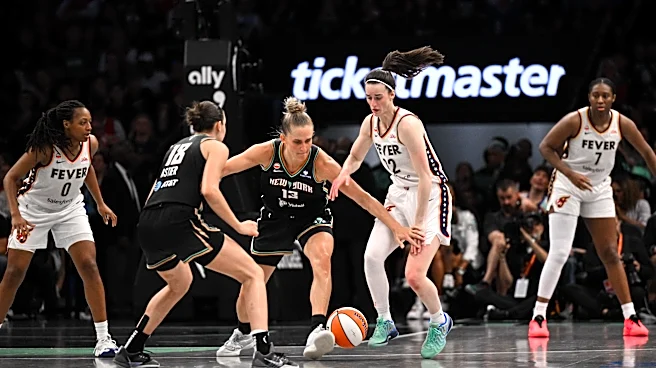
Milwaukee Bucks forward Kyle Kuzma has publicly defended Indiana Fever guard Sophie Cunningham following criticism of her comments regarding transgender participation in women's sports. Sportscaster Chris Williamson suggested Cunningham's remarks contributed
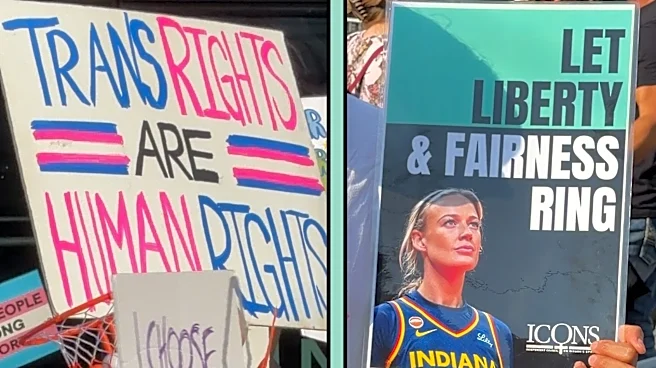
to political hostility towards transgender individuals. Kuzma, a former NBA champion, challenged this interpretation in an X post, arguing that Cunningham's position was centered on competitive fairness and the protection of opportunities for women and girls. Cunningham had previously addressed the subject in a July ESPN interview, expressing support for individual choices while also raising concerns about competitive categories and locker rooms in girls' and women's sports. She later clarified that her focus was on protecting women's sports and maintaining fair competitive conditions, not attacking transgender people. The WNBA has not announced any disciplinary action related to her remarks.
Why It's Important?
This situation highlights the ongoing and often contentious debate surrounding transgender participation in sports, particularly concerning competitive fairness and the protection of women's sports. The involvement of prominent athletes like Kyle Kuzma and Sophie Cunningham brings this discussion to a wider public audience, influencing perceptions and potentially shaping future policies within sports organizations. The differing interpretations of Cunningham's comments—one viewing them as transphobic and another as advocating for competitive equity—underscore the complexity of the issue. This public discourse can impact how sports leagues, including the WNBA and NBA, navigate these sensitive topics, potentially leading to increased scrutiny of their policies and statements. The controversy also reflects broader societal tensions regarding gender identity, inclusion, and fairness in competitive environments.
What's Next?
The debate surrounding Sophie Cunningham's comments and Kyle Kuzma's defense is likely to continue, potentially drawing in more public figures and sports personalities. The WNBA's continued stance of not disciplining Cunningham may be further scrutinized, and other sports organizations could face pressure to clarify their own policies on transgender participation. This ongoing discussion could lead to more formalized guidelines or policy reviews within professional sports leagues to address competitive fairness and inclusion. Additionally, the controversy may fuel further public dialogue and advocacy from various groups, including LGBTQ+ rights organizations and women's sports advocates, each presenting their perspectives on the issue. The situation could also influence fan engagement and public perception of the athletes involved and their respective leagues.
Beyond the Headlines
The controversy extends beyond individual athletes and sports leagues, touching upon fundamental questions of identity, fairness, and societal values. It highlights the challenge of balancing inclusivity with the established categories of competitive sports, particularly in women's divisions. The differing viewpoints reflect a broader cultural conversation about gender, biology, and the definition of fair competition. This discussion could have long-term implications for how sports are structured and regulated, potentially leading to new frameworks that attempt to reconcile these competing values. The public nature of this debate, amplified by social media and prominent figures, also underscores the increasing role of athletes as social commentators and the impact their statements can have on public discourse and policy development.