





What's Happening?
Skin cycling is a popular skincare regimen that involves alternating nights of using potent active ingredients with nights dedicated to skin recovery. The typical cycle consists of four nights: one night for exfoliation, another for retinoid application,
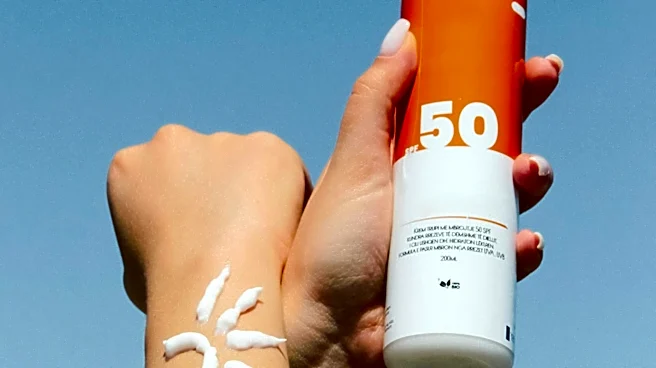
and two subsequent nights focused on recovery, where only a gentle cleanser and moisturizer are used. This method aims to prevent irritation and breakouts by providing the skin with adequate time to heal and rebuild its barrier between applications of strong treatments. While not yet supported by published clinical trials, the approach is considered logical given the established benefits of its individual components. The routine also emphasizes the crucial role of sunscreen due to the increased sun sensitivity that can result from exfoliation and retinoid use. The concept of cycling treatments has also been adapted for hair care, where different products are used based on the hair's current condition.
Why It's Important?
The rise of skin cycling reflects a broader shift in the U.S. skincare industry towards more mindful and barrier-focused routines. Consumers are increasingly seeking ways to incorporate powerful ingredients like retinoids and exfoliants without compromising skin health or experiencing adverse reactions. This trend can influence product development, leading to more formulations designed to support skin barrier function and gentler active ingredients. For consumers, understanding skin cycling offers a structured way to manage their skincare, potentially reducing the incidence of irritation and improving overall skin health. The emphasis on sunscreen within this routine also reinforces public health messages about sun protection, which is vital for preventing skin damage and reducing the risk of skin cancer. The adaptation of this concept to hair care suggests a growing consumer interest in personalized and adaptive beauty routines across different categories.
What's Next?
As skin cycling gains traction, it is likely to prompt further research into its long-term efficacy and optimal protocols. Skincare brands may develop new product lines specifically tailored to fit into a cycling regimen, offering pre-packaged sets or clearer guidance on how their products can be integrated. Dermatologists and estheticians may increasingly recommend or refine skin cycling approaches for their clients, potentially leading to more formalized guidelines. The trend could also inspire similar 'cycling' methodologies in other beauty and wellness sectors, as consumers look for ways to maximize benefits while minimizing potential side effects. Educational content around proper ingredient usage and skin barrier health is also expected to proliferate, empowering consumers to make more informed decisions about their routines.
Beyond the Headlines
Beyond its immediate impact on skincare routines, skin cycling highlights a deeper cultural shift towards a more balanced and sustainable approach to beauty. In an era often characterized by the pursuit of immediate and dramatic results, this method encourages patience and respect for the skin's natural processes. It subtly challenges the notion that 'more is always better' when it comes to active ingredients, advocating instead for strategic application and adequate recovery. This philosophy could extend to other areas of self-care, promoting a holistic view of wellness that prioritizes long-term health over quick fixes. The emphasis on listening to one's body and adapting routines accordingly fosters a more intuitive and personalized relationship with self-care, moving away from rigid, one-size-fits-all solutions.