



What's Happening?
The year 2026 has seen a notable number of deaths within the country music community, impacting various facets of the industry from iconic performers to influential songwriters and producers. Among the prominent figures who have passed away are John Anderson,
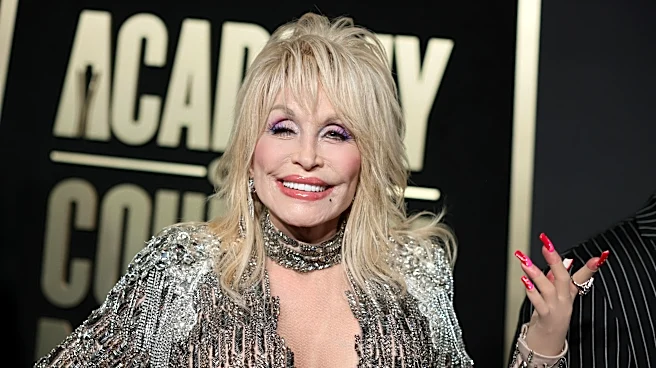
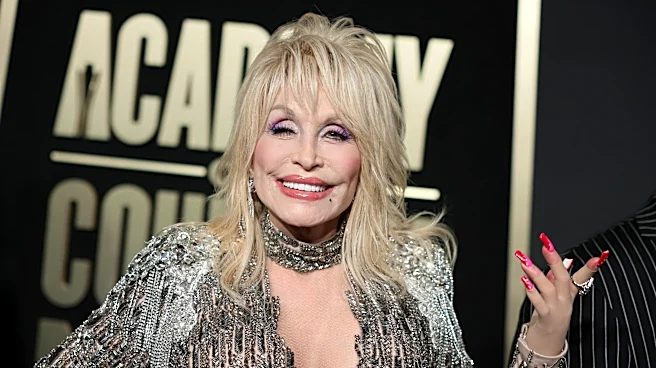
a Country Music Hall of Fame inductee known for hits like 'Swingin'', and Dolly Parton, who died at 80 after a brief battle with cancer. Other significant losses include Brian Ahern, a Canadian producer who worked with Emmylou Harris and Anne Murray; Rory Bourke, a Nashville Songwriters Hall of Fame member who penned hits for Charlie Rich and George Strait; and Bill Cody, a Country Music Radio Hall of Famer and Grand Ole Opry announcer. The industry also lost David Allan Coe, an 'outlaw country' artist, and Joe Melson, a songwriter behind many of Roy Orbison's hits. These departures represent a broad spectrum of talent and influence, from those who shaped the sound of country music to those who worked behind the scenes to bring it to audiences.
Why It's Important?
The passing of these numerous figures in 2026 marks a significant moment for the country music industry, highlighting the generational shift and the loss of foundational talent. The individuals who have died contributed to the genre's rich history, shaping its sound, narrative, and reach. The loss of artists like John Anderson and Dolly Parton, who had extensive careers and widespread recognition, leaves a void in the performance landscape. Similarly, the deaths of influential producers and songwriters such as Brian Ahern, Rory Bourke, and Joe Melson signify the diminishing presence of those who crafted many of country music's most enduring songs and recordings. This collective loss could prompt reflection within the industry on preserving legacies, nurturing new talent, and maintaining the historical integrity of the genre. It also underscores the finite nature of artistic careers and the importance of recognizing contributions while artists are still active.
What's Next?
The country music community is expected to continue honoring the legacies of those lost in 2026 through various tributes and commemorations. Memorial events, special broadcasts, and archival releases are likely to emerge as ways to celebrate their contributions. For instance, the Country Music Hall of Fame and other institutions will likely continue to highlight the work of figures like John Anderson and Joe Melson. The passing of these artists may also inspire a new generation of musicians and industry professionals to delve into the history of country music, drawing inspiration from the diverse talents that shaped it. Discussions about the future direction of country music, particularly concerning the balance between tradition and innovation, may also intensify as the industry grapples with the departure of so many influential figures.
Beyond the Headlines
Beyond the immediate impact of these losses, the high number of deaths in 2026 within country music could signal a broader cultural shift. Many of the deceased were veterans of the industry, having established their careers decades ago. Their passing highlights the aging demographic of some of country music's most beloved figures and raises questions about the genre's evolution and its connection to its roots. The stories of these individuals, from their humble beginnings to their significant achievements, offer valuable insights into the American music landscape and the cultural narratives embedded within country music. The collective memory of their work will likely continue to influence future artists and shape the genre's identity, emphasizing themes of legacy, artistic endurance, and the enduring power of storytelling through song.