





What's Happening?
Kellanova, the parent company of Kellogg's, has ceased production at its Trafford Park factory after 88 years, leading to the elimination of 360 jobs. The decision to close the facility was announced in February 2024, with the company citing that the site
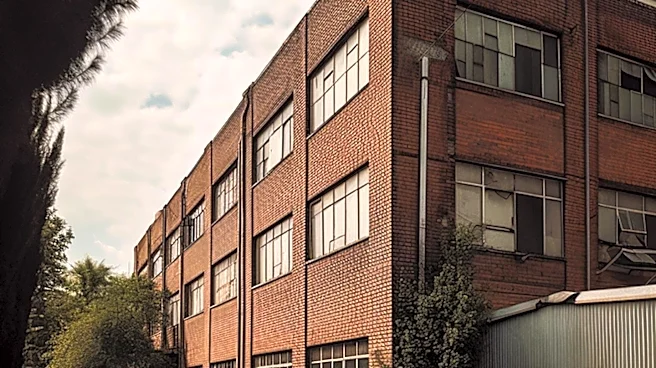
lacked a long-term future due to the significant investment required for maintenance and its outdated layout. Production of breakfast cereals has now been transferred to Kellanova's Wrexham facility. The Trafford Park factory, which began operations in the 1930s, was deemed no longer viable for modern manufacturing processes, utilizing only half of its available space. While operations across production and packing have concluded, the site is expected to remain open until the end of the year for final closure procedures. This move marks the end of an era for the iconic factory.
Why It's Important?
The closure of the Kellogg's Trafford Park factory represents a significant economic and social impact on the local community. The loss of 360 jobs directly affects numerous families and contributes to broader unemployment concerns in the Greater Manchester area. For the U.S. parent company, Kellanova, this decision reflects a strategic move to consolidate manufacturing operations and optimize efficiency by investing in more modern facilities. While the immediate impact is localized to the UK, such decisions by major multinational corporations can set precedents for global manufacturing strategies, potentially influencing future investment and employment decisions in other regions, including the U.S. The emphasis on modern manufacturing processes and viable long-term investment highlights the ongoing pressure on companies to adapt to evolving industrial landscapes, which can lead to similar factory closures and job displacements in other established industrial areas.
What's Next?
Following the cessation of production, the Trafford Park site will remain open until the end of the year to finalize its closure. Kellanova's immediate focus is on supporting the affected employees through this transition. Trade unions, including USDAW, have successfully negotiated an enhanced redundancy package for those losing their jobs. Efforts are underway to help former employees find suitable new opportunities. The company is also collaborating with local partners to commemorate the factory's legacy, including supporting an exhibition of archive material at the Trafford Local Studies Centre. The transfer of cereal manufacturing to the Wrexham plant is nearly complete, ensuring continued production for the company's UK market. The long-term future of the Trafford Park site itself, beyond its closure at year-end, remains to be determined, potentially involving redevelopment or sale.
Beyond the Headlines
The closure of the Kellogg's Trafford Park factory underscores a broader trend of industrial restructuring in mature economies, where legacy manufacturing sites struggle to compete with newer, more efficient facilities. This situation highlights the tension between historical industrial heritage and the demands of modern economic viability. The factory's closure, despite its long history and cultural significance, illustrates that even well-established brands must make difficult decisions to remain competitive. This trend often leads to significant social challenges, including job displacement and the need for robust community support and retraining programs. It also raises questions about the role of local governments and unions in mitigating the impact of such closures and fostering new economic opportunities in affected regions. The shift to more modern facilities reflects an ongoing evolution in manufacturing, driven by technological advancements and the need for increased productivity and cost-effectiveness.