




What's Happening?
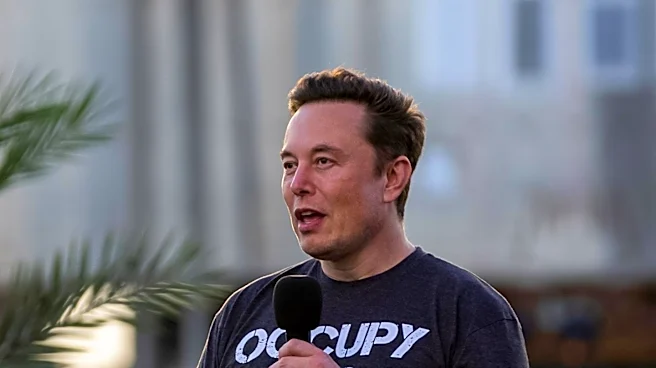
Elon Musk, CEO of Tesla and xAI, has issued a warning regarding a significant cash crunch facing the artificial intelligence (AI) industry by 2027. This warning came in response to observations by AI researcher François Chollet, who noted the intense
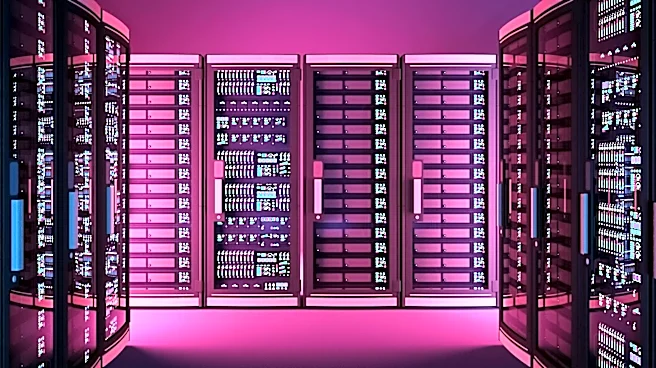
demand for computing power, evidenced by rising GPU spot prices and sold-out high-bandwidth memory (HBM) and DRAM production. Musk emphasized that the immediate financial threat to the AI sector stems from the physical execution of infrastructure buildout rather than a lack of market appetite. Companies are required to invest heavily in purchasing chips, constructing data centers, securing massive power supplies, and installing complex cooling systems. These investments must be made months before these computing clusters can reliably generate revenue. Musk highlighted the immense difficulty in getting this amount of compute turned on, cooled, and working reliably, predicting a substantial cash shortage next year.
Why It's Important?
The impending cash crunch, as warned by Elon Musk, signifies a growing structural strain within the global AI infrastructure buildout. The substantial upfront capital expenditure required for AI development, which has neared $1 trillion in 2026 with nearly $600 billion in global AI-related debt issuance, creates a significant financial bottleneck. While running AI models can be highly lucrative once operational, with Musk noting 70-85% margins for inference, the extended delays between paying for compute resources and generating revenue will necessitate hundreds of billions of incremental dollars for working capital. This situation could disproportionately impact specialized 'neocloud' providers, who rely on debt markets to finance GPU clusters and face increased refinancing risks if power or cooling bottlenecks delay their revenue timelines. Cash-rich tech conglomerates may be better positioned to absorb these multi-month deployment lags.
What's Next?
The AI industry is likely to face increasing pressure to bridge the gap between infrastructure investment and revenue generation. Companies will need to secure substantial working capital to navigate the anticipated delays in bringing AI computing clusters online and operational. Industry analysts and market observers will closely monitor the financial health of AI companies, particularly smaller cloud providers, as credit conditions tighten. Elon Musk has previously estimated that global AI chip deployments could face a power shortfall of at least 15 gigawatts by 2027, indicating that electricity and thermal management will remain critical constraints. Addressing these infrastructure challenges and securing adequate financing will be crucial for the continued growth and stability of the AI sector in the coming years.
Beyond the Headlines
The challenges highlighted by Elon Musk extend beyond mere financial hurdles, touching upon the fundamental infrastructure required for the advancement of artificial intelligence. The need for massive power supplies and complex cooling systems for data centers points to significant environmental and logistical considerations. The rapid expansion of AI infrastructure could strain existing energy grids and necessitate substantial investments in new power generation and distribution. Furthermore, the concentration of AI compute resources in the hands of a few large, cash-rich entities could exacerbate existing inequalities in technological access and innovation. The 'working capital bottleneck' could stifle smaller, innovative AI startups, potentially leading to a more consolidated AI landscape. This situation also raises questions about the sustainability of the current AI growth trajectory and the long-term implications of such intensive resource consumption.