




What's Happening?
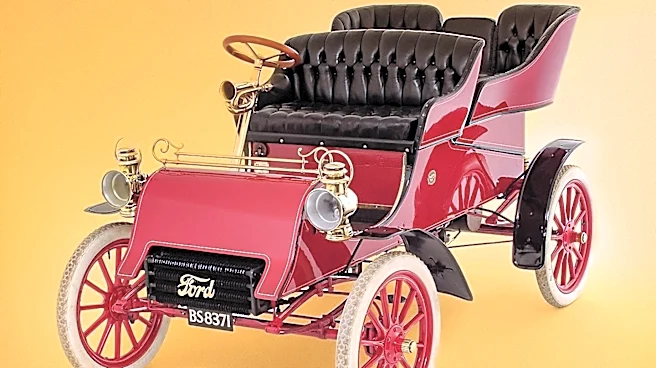
Ford Motor Company has opened its new 'Vault,' a 7,339-square-meter facility in Romulus, Michigan, dedicated to showcasing 125 historically significant vehicles from its Heritage Fleet. The collection, previously housed at various locations including
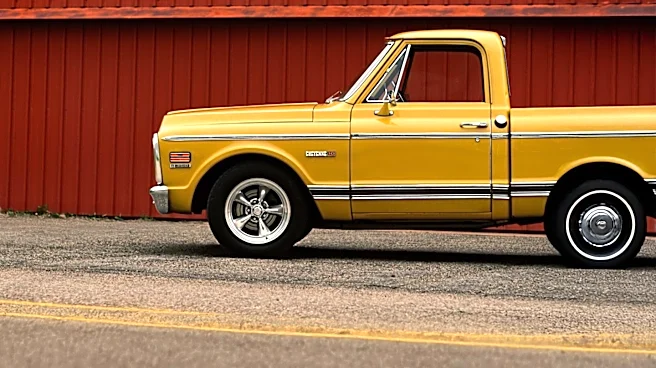
Ford's Dearborn headquarters, now resides in a former Amazon fulfillment center. The Vault features a diverse array of vehicles, including rare concept cars, Hollywood Mustangs, historic police cruisers, and a 1938 ambulance. Among the highlights are a 2005 Mustang GT proof-of-concept nicknamed 'Johnny Cash,' the first three cars to cross the finish line at Le Mans in 1966, a 1910 right-hand-drive Model T built in the U.K., and a 1973 Mustang convertible used in 'The Mary Tyler Moore Show.' While initial viewings were limited to select members of the public and employees, Ford plans to make the Vault more accessible to the car community in Michigan in the future. The facility is designed to be a working archive, providing current Ford designers and engineers access to the company's past innovations.
Why It's Important?
The establishment of Ford's new Vault signifies a significant investment in preserving and showcasing the company's rich automotive history and cultural impact. By centralizing its Heritage Fleet, Ford is not only creating a unique attraction for automotive enthusiasts but also establishing a valuable resource for its current and future product development teams. Access to these historic vehicles and design concepts can inspire new ideas and provide insights into the company's engineering and design evolution. This initiative also reinforces Ford's brand identity, connecting its present innovations with a legacy of pioneering automotive achievements. For the broader automotive community and the public, the Vault offers a tangible link to the evolution of transportation and American industrial heritage, potentially boosting automotive tourism in the Michigan region.
What's Next?
Ford Motor Company intends to make the Vault more accessible to the public and the car community in Michigan following the initial limited showings. While specific dates and methods for broader access have not been detailed, the company's archives and heritage brand manager, Ted Ryan, stated that they will 'find a way to make it available.' This suggests future public viewing opportunities, potentially through scheduled tours, special events, or partnerships. The Vault's role as a working archive means it will continue to serve as a resource for Ford's internal design and engineering teams, influencing future vehicle development. The ongoing curation and potential expansion of the collection could also be anticipated as Ford continues to add historically significant vehicles to its fleet.
Beyond the Headlines
The creation of the Ford Vault extends beyond a simple display of old cars; it represents a strategic move to leverage corporate heritage as a tool for innovation and brand storytelling. By providing current designers and engineers direct access to past concepts and experiments, Ford is fostering a culture that values historical context in future development. This approach can lead to a deeper understanding of design principles, engineering challenges, and market evolution, potentially inspiring breakthroughs in electric vehicles and autonomous technology. Furthermore, the Vault serves as a powerful symbol of Ford's enduring legacy and its contribution to American industry and culture, reinforcing its position in a rapidly changing automotive landscape. It also highlights the growing trend of companies investing in their historical assets as a means of engaging stakeholders and differentiating themselves in competitive markets.