




What's Happening?
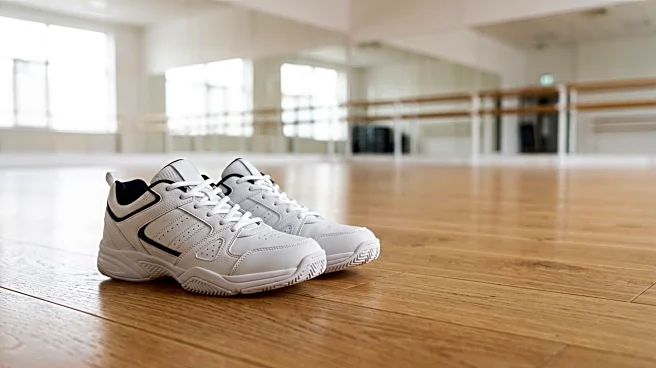
K-pop singer Dawn has made a comeback to dancing after a four-year break, a decision influenced by a loyal fan's request. The artist revealed this on the YouTube channel 'Studio Waffle’s 'Dawnworry Be Haetnim' on November 5. Dawn visited a dance studio
in Bundang, Gyeonggi Province, to practice choreography with dancers J-Black and Mari. He admitted to feeling intimidated after such a long hiatus, stating he felt he had 'lost his joints.' The inspiration for his return stemmed from a fan who has supported him since his trainee days, asking him to dance for her wedding and a fan meeting. Despite initial worries about his ability, Dawn committed to intense practice, earning praise from J-Black for his dedication and high level of detail in executing the choreography. Dawn expressed gratitude to the fan, acknowledging that her request extended his dancing career.
Why It's Important?
Dawn's return to dancing highlights the significant influence of fan engagement in the K-pop industry. This event underscores how direct interactions and personal requests from fans can motivate artists and shape their career trajectories. For the K-pop community, this comeback signifies the potential for beloved artists to revisit core aspects of their artistry, driven by genuine connections with their audience. It also demonstrates the resilience and dedication required in the highly competitive K-pop scene, where artists often face immense pressure to maintain their skills and public presence. The story reinforces the emotional bond between K-pop idols and their fanbases, showcasing how this relationship can lead to meaningful artistic developments and renewed creative output, potentially inspiring other artists to engage more personally with their supporters.
What's Next?
Following his return to dancing, Dawn is reportedly teasing a concert, which suggests a more active period in his career. This potential concert would allow him to showcase his re-honed dance skills and new performances to a broader audience, building on the momentum generated by his comeback. The positive reception from his dance partners and the fan community indicates a strong foundation for future projects. Fans can anticipate more dance-focused content and possibly new music releases that incorporate his renewed passion for choreography. This development could also encourage other K-pop artists to consider fan-driven initiatives or personal requests as a way to re-engage with their art and audience, potentially leading to a trend of more personalized fan interactions within the industry.
Beyond the Headlines
Dawn's narrative extends beyond a simple career comeback; it delves into the psychological and emotional challenges artists face when returning to a demanding craft after a break. His candid admission of feeling 'intimidated' and having 'lost his joints' offers a rare glimpse into the vulnerability of performers. This story also subtly critiques the pressures within the entertainment industry, where artists might feel compelled to perform even when their passion wanes, or fear that a hiatus could lead to irrelevance. The fan's request, therefore, acts as a catalyst for authentic artistic revival rather than a forced obligation. It underscores the idea that true artistic expression often flourishes when driven by genuine connection and personal motivation, rather than solely by commercial demands. This could spark broader conversations about artist well-being and the role of fan communities in fostering sustainable careers.