

What's Happening?
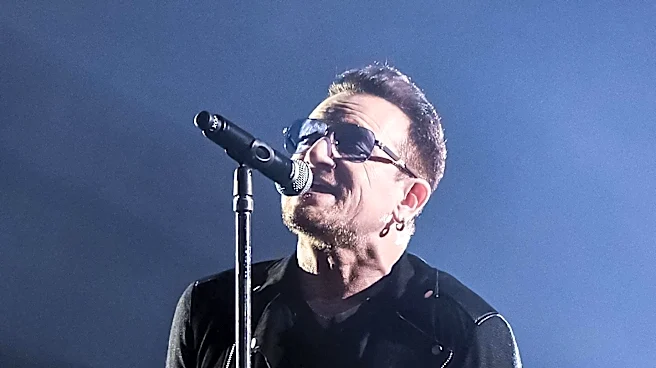
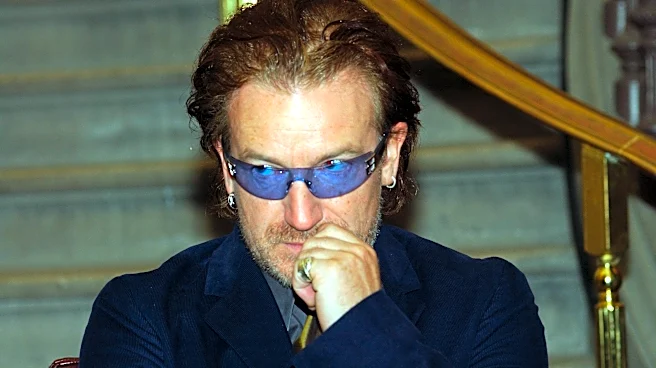
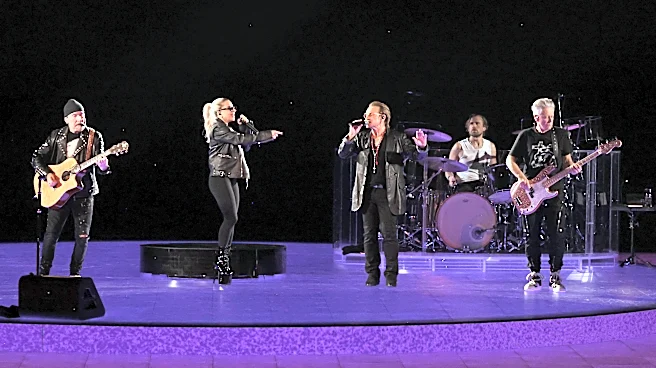
Bono, the lead singer of U2, and photographer/director Anton Corbijn recently discussed their nearly 45-year collaboration, which has significantly shaped U2's public image. Their partnership began in 1982 and has encompassed album covers, music videos,
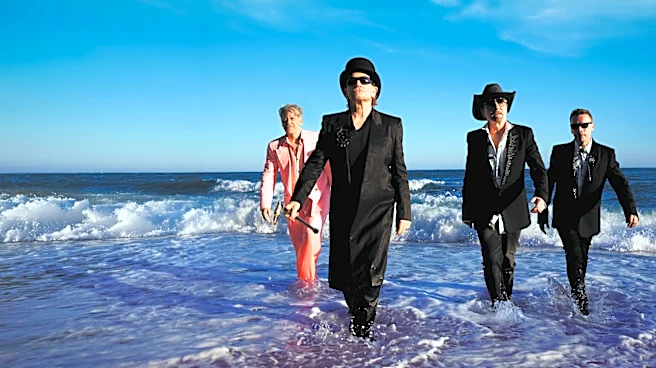
and photo shoots, including iconic works like 'The Joshua Tree' cover and the aesthetic reboot for 'Achtung Baby.' They also created music videos for songs such as 'Pride (In the Name of Love)' and 'One.' The duo reconnected for surreal videos for 'The Greatest Show on Earth' and 'Can’t Stop Us Now' from U2’s latest album, 'Carnaval de Luz.' Bono recalled being influenced by Corbijn's early work, particularly a photo of Joy Division. Corbijn emphasized the importance of capturing a band's unique identity in his photography, ensuring distinct visual styles for different artists. Their conversation touched upon the creative process behind 'The Joshua Tree,' where Corbijn's suggestion of the tree's name inspired the album title, and the evolution of U2's visual presentation through various eras, including the colorful aesthetic of 'Pop' and 'Achtung Baby.'
Why It's Important?
This extensive collaboration between U2 and Anton Corbijn highlights the profound impact a visual artist can have on a band's identity and legacy within the music industry. Their partnership demonstrates how visual storytelling can complement and even enhance musical narratives, creating a cohesive artistic vision that resonates with audiences globally. Corbijn's ability to translate U2's evolving sound into distinct visual aesthetics has been crucial in maintaining the band's relevance and artistic integrity over decades. The discussion also sheds light on the creative process behind iconic imagery, revealing how seemingly small details, like a photographer's pronunciation of a tree's name, can lead to significant artistic breakthroughs. For the music industry, this collaboration serves as a case study in successful long-term artistic partnerships, emphasizing trust, shared vision, and the willingness to experiment. It underscores the value of visual artistry in shaping public perception and contributing to the enduring appeal of musical acts.
What's Next?
Bono and Corbijn revealed plans to bring a film Corbijn made about the American leg of the 2017 'Joshua Tree' 30th-anniversary tour to local screens during next year's 'Carnaval de Luz: The Greatest Show on Earth' dates. This suggests continued collaboration and the potential for new visual projects related to U2's ongoing musical endeavors. The discussion also implies that their creative synergy remains active, potentially leading to further innovative visual content for future U2 releases or tours. Fans can anticipate more insights into their partnership through potential documentaries, exhibitions, or retrospective projects that delve deeper into their extensive body of work. The continued exploration of their creative process could also inspire other artists and photographers to pursue similar long-term collaborations, fostering a deeper integration of visual and auditory arts in the entertainment landscape.
Beyond the Headlines
The enduring partnership between Bono and Anton Corbijn transcends typical band-photographer relationships, evolving into a symbiotic creative force where images often 'finish' the lyrics, as Bono described. This deep integration of visual and lyrical elements speaks to a broader artistic philosophy where different mediums coalesce to create a richer, more profound experience. Corbijn's subtle incorporation of religious iconography, stemming from his upbringing, adds a layer of subconscious depth to U2's visual narrative, even as he personally moved away from organized religion. This highlights how personal history and cultural background can subtly influence artistic output, creating layers of meaning that resonate with diverse audiences. The collaboration also exemplifies the power of trust and mutual respect in sustaining creative partnerships over decades, allowing for artistic risks and evolutions that might not be possible in more conventional arrangements. It underscores the idea that true artistic collaboration can lead to a body of work that is greater than the sum of its individual parts, leaving a lasting cultural impact.