




What's Happening?
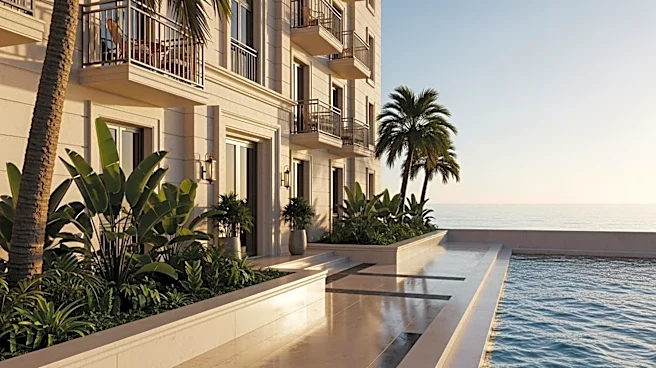
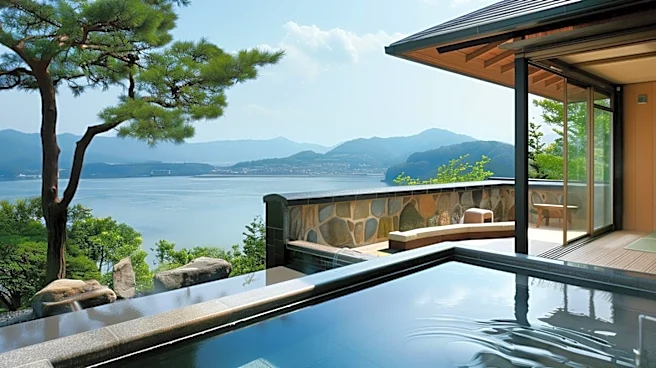
The House Collective, a luxury hospitality brand with properties in Chengdu, Hong Kong, and Shanghai, is redefining luxury travel with its 'Houses Not Hotels' concept. This approach focuses on creating deeply personalized and emotionally resonant experiences
for guests, treating them as part of a home rather than just visitors. The brand emphasizes comfort, intuitive service, and a sense of belonging, aiming to foster lasting connections with guests. Each property reflects the local culture and heritage, offering unique experiences that go beyond traditional hotel stays. This philosophy is part of a broader trend in the luxury hospitality industry, where cultural immersion and personalized service are becoming key differentiators.
Why It's Important?
The shift towards personalized and culturally immersive experiences in luxury hospitality reflects changing consumer preferences. Travelers increasingly seek unique and meaningful experiences that connect them with the local culture and community. By adopting the 'Houses Not Hotels' concept, The House Collective is positioning itself as a leader in this trend, potentially attracting a new segment of discerning travelers. This approach can enhance brand loyalty and differentiate the brand in a competitive market. As more luxury hotels adopt similar strategies, the industry may see a shift towards more personalized and culturally rich offerings, impacting how luxury travel is marketed and experienced.
Beyond the Headlines
The 'Houses Not Hotels' concept also highlights the evolving role of hospitality in promoting cultural understanding and appreciation. By offering guests authentic local experiences, luxury hotels can contribute to cultural preservation and support local artisans and businesses. This approach aligns with broader trends in sustainable and responsible tourism, where travelers seek to minimize their impact and support local communities. As the hospitality industry continues to evolve, the integration of cultural and experiential elements may become a standard expectation for luxury travelers, influencing the design and operation of future hotel properties.