






What's Happening?
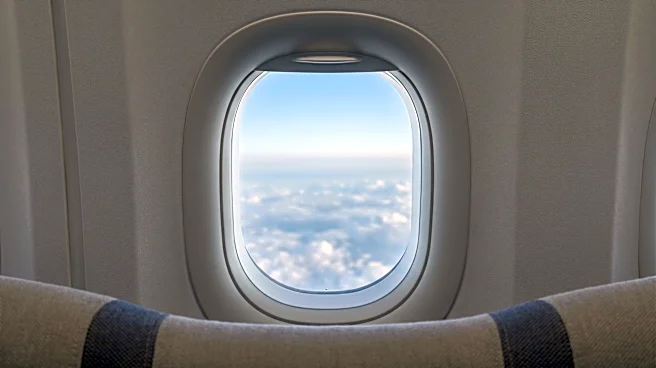
Actress Selma Blair issued a public apology on October 30, 2026, via an Instagram video, addressing an alleged incident that occurred on a Delta Flight from Los Angeles to New York City on October 11, 2026. Blair was arrested upon landing and subsequently
taken to a hospital for evaluation. The following day, October 12, she appeared in court and pleaded not guilty to two counts of second-degree assault, being released on bail. Court documents, as reported by People, allege that Blair punched a flight attendant and bit another crew member during the flight, and also assaulted a nurse and a Port Authority police officer afterward. Her representatives initially stated she experienced a medical emergency, while her lawyer, Shawn Barnes, told the New York Post and New York Daily News that it was not an intentional assault, attributing it to missed medication doses and a busy work schedule. Blair stated in her apology that her lawyers advised her not to discuss the legal matter, which is ongoing, but she expressed deep regret to anyone she may have disappointed, hurt, frightened, or alarmed, emphasizing that she never intended to cause harm.
Why It's Important?
This incident and subsequent public apology highlight the challenges faced by public figures, particularly those managing chronic health conditions like multiple sclerosis, in maintaining privacy and navigating legal issues under public scrutiny. The legal proceedings, which are set to continue in January 2027, will determine the facts of the alleged assault and could have significant implications for Blair's public image and career. For the airline industry, such incidents underscore the ongoing need for robust protocols in handling passenger disturbances, especially those potentially linked to medical emergencies. The case also brings attention to the broader societal understanding and accommodation of individuals with disabilities, as Blair's legal team has suggested her actions were not intentional and related to her health. The public's reaction to her apology and the outcome of the legal process will reflect evolving attitudes towards accountability, mental health, and disability in the public sphere.
What's Next?
Selma Blair is scheduled to return to court in January 2027 to address the two counts of second-degree assault. The legal matter is ongoing, and the full facts have not yet been tested in court. Her legal team's position is that any assault was not intentional, possibly linked to missed medication and a demanding schedule. The outcome of these proceedings will be crucial for Blair, potentially impacting her legal standing and public perception. In the interim, Blair has stated her intention to focus on her health and her son. The incident may also prompt further discussions within the entertainment industry and broader society regarding support systems for individuals with chronic illnesses and the pressures faced by public figures.
Beyond the Headlines
The incident involving Selma Blair and her subsequent apology delve into deeper implications concerning public perception, disability, and the justice system. Blair's openness about her multiple sclerosis diagnosis and her advocacy for disability awareness have made her a prominent figure in discussions about living with chronic conditions. This event, regardless of its legal outcome, could further shape public discourse on how society responds to individuals with disabilities when they are involved in public incidents. It raises questions about the balance between accountability for actions and understanding the context of underlying health issues. Furthermore, the immediate public apology, while legally advised, reflects a growing trend among public figures to directly address controversies, attempting to manage narratives and maintain public trust in an era of rapid information dissemination. The case may also influence how airlines and law enforcement are trained to handle situations involving passengers who may be experiencing medical distress.