





What's Happening?
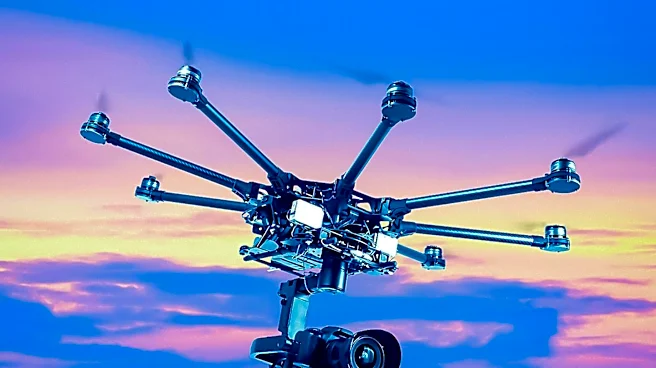
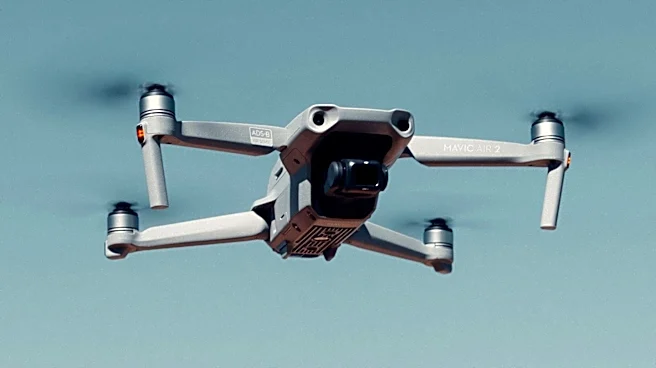
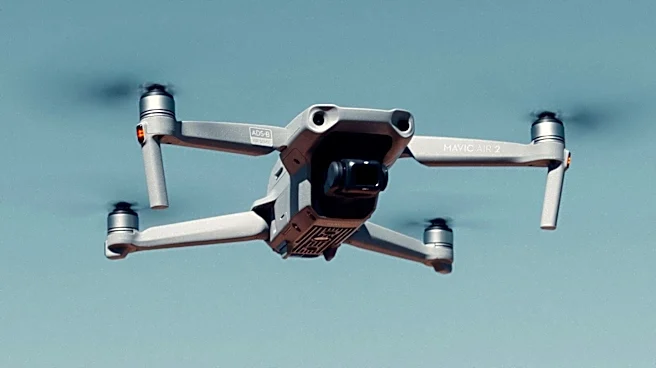
DJI has launched the Agras T100 Intelligent Airframe, a modular agricultural drone designed for heavy-lift operations. This drone can carry payloads up to 220 lb (100 kg) at sea level and is versatile, allowing operators to switch between spraying, spreading,
and lifting systems by interchanging mission modules. The T100 features 62-inch carbon fiber propellers, an IP67 rating for dust and water protection, and can reach operational speeds of up to 44.7 mph (20 m/s). It comes equipped with the DJI RC Plus 2 remote controller, which has a 7-inch screen and a 3.8-hour internal battery runtime. Mission systems and flight batteries are sold separately, enabling users to customize the aircraft for specific tasks. The drone incorporates Safety System 3.0, which combines LiDAR, millimeter-wave radar, and the Penta-Vision System to detect obstacles like wires, poles, and trees, with the ability to save detected obstacles for future route planning.
Why It's Important?
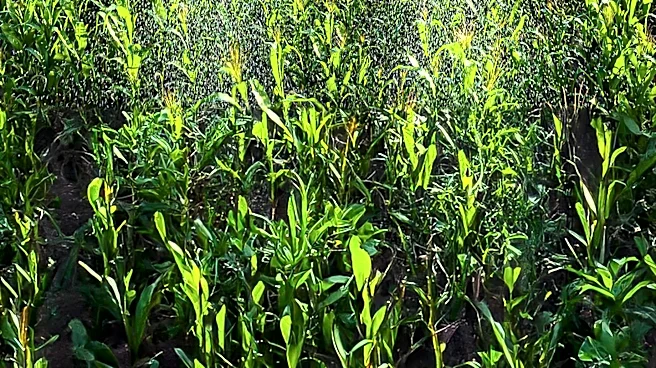
The DJI Agras T100 represents a significant advancement in agricultural drone technology, offering a versatile and efficient solution for large-acreage farming operations in the U.S. Its modular design allows farmers to consolidate multiple tasks—spraying, spreading, and lifting—into a single airframe, thereby reducing equipment investment and increasing operational efficiency. The heavy-lift capacity and advanced safety features, such as LiDAR sensing and obstacle memory, enhance precision agriculture by enabling more accurate application of fertilizers and pesticides while minimizing risks associated with complex terrains. This can lead to improved crop yields, reduced waste, and safer working conditions for agricultural professionals. The rapid battery recharge times also contribute to higher daily operational throughput, making it a practical tool for time-sensitive farming activities.
What's Next?
The DJI Agras T100 is now available for purchase, with mission systems and flight batteries sold separately, allowing agricultural businesses to configure the drone according to their specific needs. As adoption increases, DJI may introduce additional modular systems or enhancements to further expand the drone's capabilities. The integration of such advanced drone technology is expected to become more widespread in U.S. agriculture, potentially leading to increased demand for skilled drone operators and specialized training programs. Future developments could also focus on further automation and data integration with farm management systems, optimizing agricultural processes even further. The success of the T100 could also spur competitors to develop similar heavy-lift, modular drone solutions for the agricultural sector.
Beyond the Headlines
The introduction of the DJI Agras T100 highlights a broader trend towards automation and precision in the agricultural industry. This technology not only improves efficiency and productivity but also addresses critical environmental concerns by enabling more targeted application of resources, potentially reducing chemical runoff and promoting sustainable farming practices. The drone's ability to navigate complex environments with advanced obstacle detection systems also signifies a move towards safer agricultural operations, minimizing human exposure to hazardous chemicals and dangerous terrains. Furthermore, the modular nature of the T100 could foster innovation in agricultural tools, encouraging third-party developers to create specialized attachments and software solutions that integrate with the platform, thereby expanding its utility and impact on modern farming.