





What's Happening?
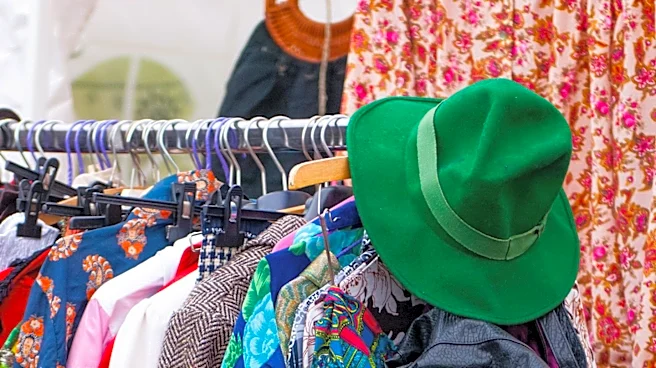
The rise of thrifting, particularly among Generation Z, is reshaping the retail landscape in the United States. This demographic is increasingly turning to secondhand shopping as a means to express individuality, counteract fast fashion, and promote sustainability.
According to a study by ThredUp, over 40% of Gen Z consumers shop secondhand, a trend expected to grow as more young people enter the workforce. The economic drivers behind this shift include rising living costs and global economic uncertainties, prompting consumers to reevaluate spending habits. Thrift stores and digital resale markets have become mainstream strategies for managing budgets and supporting sustainable fashion. The secondhand market is projected to reach $77 billion by 2025, outpacing traditional retail growth.
Why It's Important?
The growing popularity of thrifting among Gen Z has significant implications for the retail industry. As this generation prioritizes sustainability and ethical consumption, traditional retailers may need to adapt by incorporating secondhand options or emphasizing sustainable practices. The shift towards thrifting also highlights a broader societal move towards environmental responsibility and mindful purchasing. This trend could lead to increased pressure on fast fashion brands to improve their sustainability efforts. Additionally, the economic benefits of thrifting, such as affordability and budget management, make it an attractive option for consumers facing financial constraints.
What's Next?
As the thrifting trend continues to gain momentum, retailers may explore partnerships with digital resale platforms or develop their own secondhand offerings. The industry could see increased investment in technology to enhance the online thrifting experience, making it more accessible and convenient for consumers. Policymakers might also consider supporting initiatives that promote textile recycling and sustainability. The ongoing economic challenges and environmental concerns are likely to sustain the demand for secondhand shopping, positioning it as a key component of the future retail landscape.
Beyond the Headlines
The rise of thrifting reflects a cultural shift towards valuing authenticity and transparency in consumer choices. This movement challenges the traditional notions of fashion and luxury, as consumers increasingly seek unique, pre-loved items over mass-produced goods. The trend also raises questions about the long-term viability of fast fashion and its environmental impact. As more consumers embrace secondhand shopping, the fashion industry may undergo a transformation, with sustainability becoming a central focus.