









What's Happening?
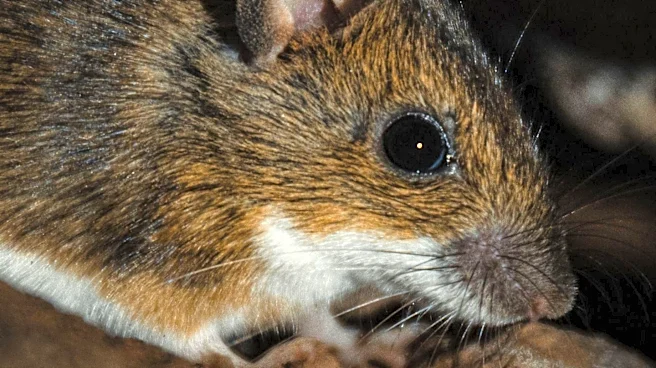
A study conducted by MIT researchers and published in Nature suggests that the ketogenic diet may increase the risk of intestinal cancer in mice genetically predisposed to the disease. The diet, which is high in fats and low in carbohydrates, was found
to promote tumor growth in the small intestine. The study highlights the complex relationship between diet and cancer, noting that while ketogenic diets have been explored for their potential health benefits, they may not be universally beneficial and could pose risks for certain cancers.
Why It's Important?
These findings raise important questions about the safety and efficacy of the ketogenic diet, which has gained popularity for weight loss and other health benefits. The study underscores the need for caution and further research to understand the diet's impact on cancer risk, particularly in humans. As dietary interventions become more common in managing health conditions, understanding their potential risks is crucial for making informed decisions about diet and health.
What's Next?
Future research will be necessary to determine if the findings in mice apply to humans and to identify specific dietary components that may influence cancer risk. Studies may also explore how modifying the ketogenic diet could mitigate potential harms while preserving its benefits. These insights could lead to more personalized dietary recommendations and inform public health guidelines.