





What's Happening?
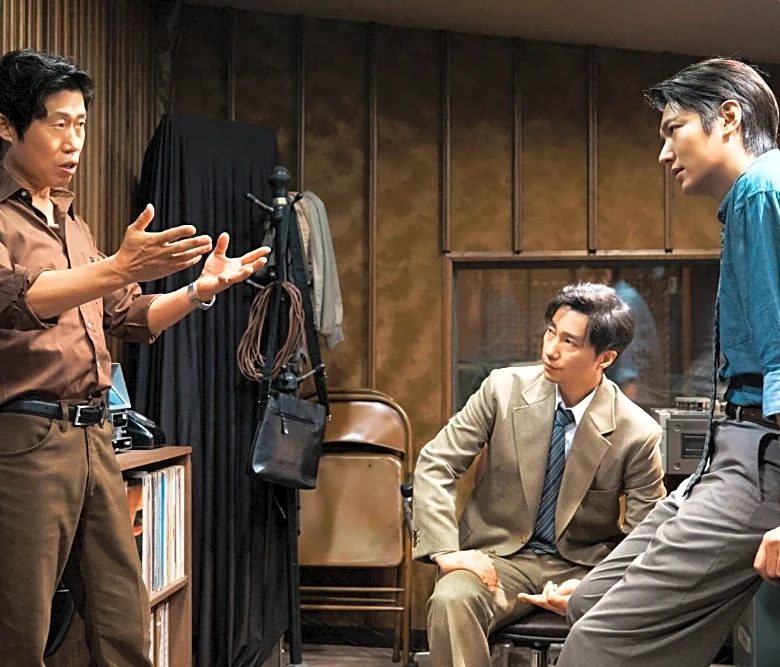
Actor Lee Min-ho's scheduled 'Actors House' event at the Busan International Film Festival (BIFF) has been canceled due to "unavoidable circumstances." The event, which was set for October 7th, was intended to provide an opportunity for Lee Min-ho to communicate
directly with the audience and share his acting philosophy. The cancellation comes amidst significant controversy surrounding his latest film, 'The Assassin(s),' which has been criticized for alleged historical distortion. The film, released on September 23rd, is based on the 1974 first lady shooting incident and has drawn strong reactions from politicians and internet users. The BIFF secretariat announced the cancellation on October 1st, stating that tickets purchased for the event would be automatically canceled and fully refunded. While the festival did not provide specific reasons, the timing strongly suggests a link to the ongoing debate and backlash against the film and its cast.
Why It's Important?
The cancellation of a high-profile event featuring a prominent actor like Lee Min-ho at a major international film festival underscores the significant impact of public and political controversy on the entertainment industry. This incident highlights the delicate balance filmmakers and actors must navigate when dealing with historical events, particularly those that remain sensitive or politically charged. The backlash, which has included malicious comments directed at Lee Min-ho and other cast members, demonstrates the power of public opinion and social media in shaping the reception and even the operational aspects of cultural events. It also raises questions about artistic freedom versus historical interpretation, and the potential for political pressure to influence cultural institutions. The situation could set a precedent for how film festivals and artists handle controversial content in the future, potentially leading to increased caution or self-censorship to avoid similar disruptions.
What's Next?
The immediate next step for BIFF is to manage the ticket refunds and address any further public inquiries regarding the cancellation. The broader implications for 'The Assassin(s)' and its cast remain to be seen. The film's production team has already issued a statement clarifying that the movie is a work of fiction inspired by historical records and not intended to rewrite history or serve a political agenda. However, the controversy continues, with some political figures filing formal complaints. It is possible that the debate surrounding the film will intensify, potentially affecting its box office performance and the public image of those involved. The incident may also prompt a wider discussion within the South Korean film industry about the portrayal of historical events and the responsibilities of filmmakers and actors. Future film festivals might implement stricter vetting processes or develop clearer guidelines for handling controversial content to prevent similar situations.
Beyond the Headlines
This event delves into deeper issues concerning historical memory, artistic interpretation, and the role of public discourse in shaping cultural narratives. The controversy surrounding 'The Assassin(s)' reflects a societal tension between creative license and the perceived sanctity of historical facts, especially when those facts are tied to national identity or political sensitivities. The swift and severe public reaction, including online attacks on actors and critics, points to a broader trend of heightened scrutiny and intolerance for perceived historical inaccuracies in media. This could lead to a chilling effect on artists who wish to explore complex or controversial historical subjects, potentially limiting the scope of artistic expression. Furthermore, the incident highlights the increasing pressure on public figures to align with certain political or historical viewpoints, blurring the lines between artistic endeavor and political statement. The 'unavoidable circumstances' cited by BIFF could be interpreted as a concession to public pressure, raising concerns about censorship and the autonomy of cultural institutions.