



What's Happening?
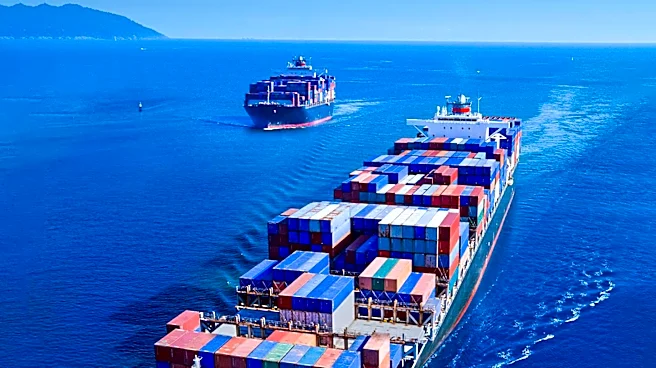
The United States has imposed 50% tariffs on $20 billion worth of Canadian goods following the collapse of trade negotiations between the two countries. The tariffs, which affect approximately 5% of Canada's annual shipments to the U.S., cover a range
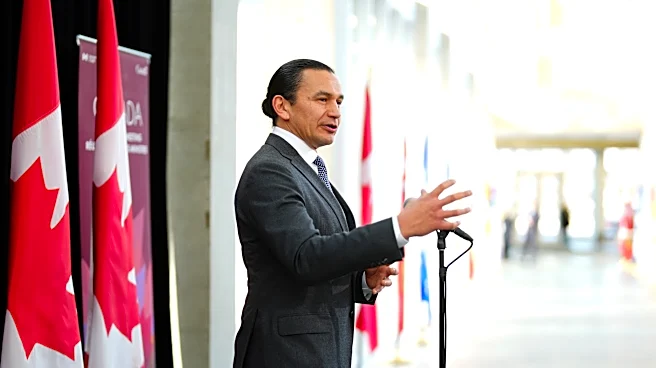
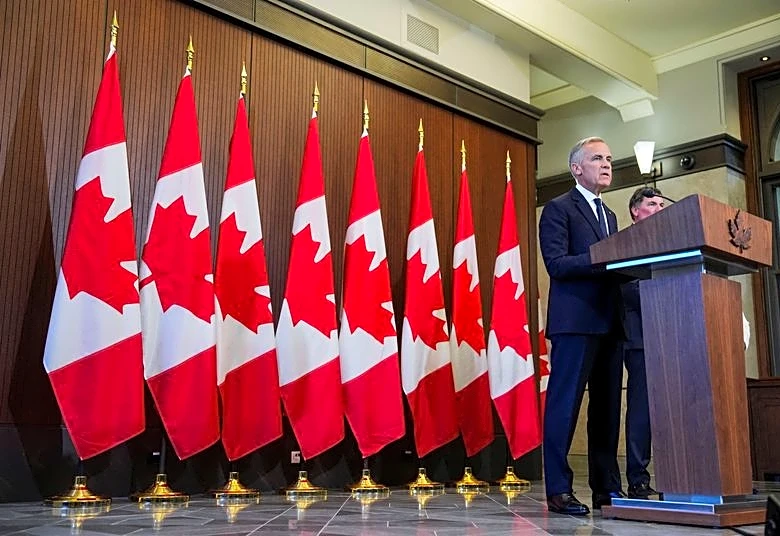
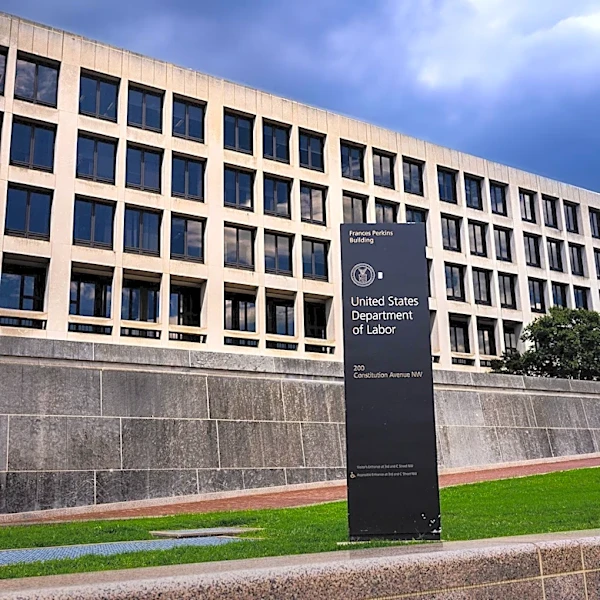
of products from hockey sticks to tongue depressors. Canada has announced retaliatory penalties set to begin on September 8, targeting industries such as steel, dairy, appliances, agricultural equipment, pulp and paper, and electronics. Both nations have blamed each other for the breakdown in talks. President Trump's chief trade negotiator, Jamieson Greer, stated the U.S. was compelled to act after a year of Canadian retaliation, aiming to protect American workers and supply chains. Canadian Prime Minister Carney accused Washington of using 'economic integration as a weapon' and described the new tariffs as an 'attack.' No further talks are currently scheduled.
Why It's Important?
This escalation marks a significant deterioration in trade relations between the U.S. and Canada, two historically close allies. The imposition of tariffs by both sides is expected to raise prices for consumers and businesses in both countries, impacting various sectors. For U.S. industries, the tariffs could lead to increased costs for Canadian imports, potentially affecting manufacturing and consumer goods. Conversely, Canadian industries reliant on exports to the U.S. will face significant economic pressure. The dispute also casts doubt on the future of the North American trade agreement (USMCA), which is crucial for the economies of the U.S., Canada, and Mexico. The breakdown in trust between the two nations could have long-term implications for diplomatic and economic cooperation, potentially leading to broader geopolitical shifts.
What's Next?
With no further talks planned, the U.S. and Canada are entering a period of heightened trade conflict. Canada's retaliatory tariffs will take effect on September 8, further intensifying the economic impact on both sides. Businesses in affected sectors will need to adjust to increased costs and disrupted supply chains. Political leaders in both countries will face pressure to address the economic fallout, particularly as consumers experience higher prices. The ongoing trade dispute could also influence upcoming political decisions and elections in both nations. The future of the USMCA remains uncertain, and the lack of dialogue suggests a prolonged period of strained relations, potentially leading to calls for mediation or new negotiation strategies from stakeholders in both countries.
Beyond the Headlines
This trade war between the U.S. and Canada represents a profound shift from decades of cooperative relations, highlighting a new era of protectionist trade policies. The invocation of Section 338 of the Tariff Act of 1930, a Depression-era law, underscores the Trump administration's willingness to use aggressive measures to achieve its trade objectives. This approach could set a precedent for future trade disputes with other allies, potentially destabilizing global trade norms. The economic impact extends beyond immediate price increases, threatening long-established supply chains and potentially leading to job losses in affected industries. Culturally, the dispute strains the traditionally friendly relationship between the two nations, as evidenced by public frustration in Canada. This conflict could force both countries to re-evaluate their economic dependencies and diplomatic strategies in a rapidly changing global landscape.