


What's Happening?
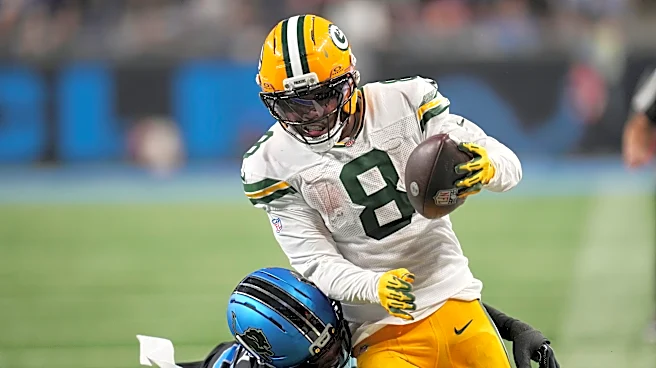
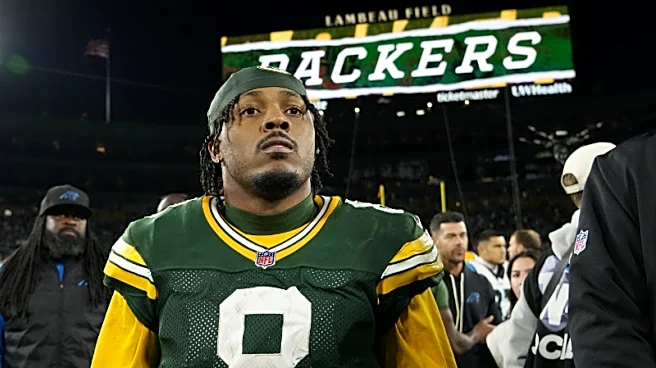
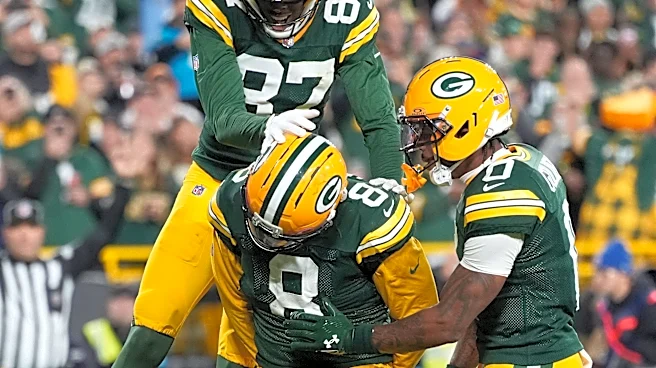
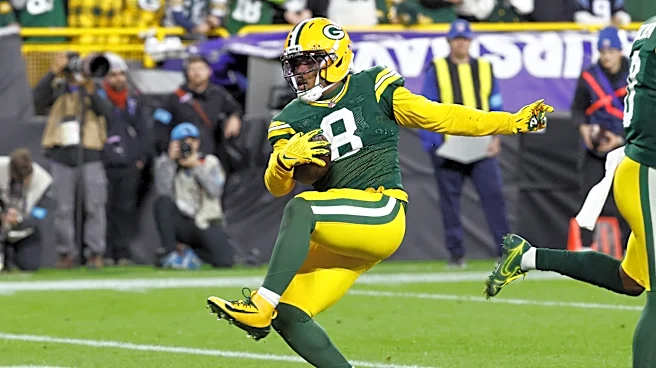
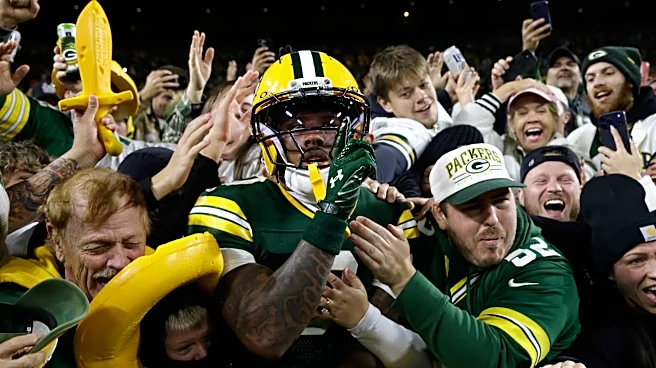
Following the May arrest of Green Bay Packers running back Josh Jacobs for battery, multiple women have contacted police to detail their own allegations of previous incidents involving him. These accounts were included in evidence released by the Hobart/Lawrence
Police Department in response to a public records request. Jacobs pleaded no contest on September 10 to misdemeanor counts of battery and criminal damage to property, stemming from a May 23 incident where a woman alleged he threw her to the ground. One woman reported an incident from January 2022 where Jacobs allegedly became angry, slapped her, threw her phone into a pool, grabbed her by the hair, pinned her down, and threatened her. Another woman described an April 2021 incident where Jacobs allegedly grabbed her, pushed her against a wall, and threw her belongings out, causing bruises. A third woman detailed a May 2022 altercation where Jacobs allegedly grabbed her by the hair, placed hands on her head and neck, dragged her, and scratched her chest. Jacobs' lawyers stated that these allegations were uncorroborated, old, and previously unreported, and that the District Attorney's office had investigated them before deciding on only two misdemeanor charges.
Why It's Important?
These new allegations against Josh Jacobs are significant as they suggest a potential pattern of behavior, which could have serious repercussions for his career and the Green Bay Packers organization. The NFL had already placed Jacobs on the commissioner's exempt list in August, causing him to miss the first six games of the season, and has stated it will review these latest allegations as part of its ongoing investigation. Such accusations, especially when multiple individuals come forward, can severely damage a player's reputation, lead to further disciplinary action from the league, and impact team morale and public perception. For the NFL, these incidents highlight the ongoing challenge of addressing player conduct off the field, particularly concerning domestic violence and assault allegations. The situation also brings renewed scrutiny to how law enforcement and legal systems handle such cases, especially when previous incidents were not reported or pursued. The outcome of the NFL's review will be closely watched by fans, advocacy groups, and other players.
What's Next?
The NFL's investigation into Josh Jacobs remains open, and spokesman Brian McCarthy has confirmed that the league will review these new allegations. This review could lead to further disciplinary action against Jacobs, potentially including additional suspensions or other penalties, depending on the findings and the league's personal conduct policy. The Green Bay Packers have not yet commented on the new allegations, but they will likely be monitoring the NFL's investigation closely. Jacobs' legal team has already issued a statement defending him, emphasizing that the District Attorney's office had considered these allegations. It is possible that more details or statements from the involved parties, including the women who came forward, may emerge. The situation will continue to unfold as the NFL gathers more information and determines its course of action, which could significantly impact Jacobs' future in professional football.
Beyond the Headlines
The surfacing of multiple allegations against Josh Jacobs after an initial arrest highlights broader societal issues surrounding reporting domestic violence and assault. Many victims do not report incidents immediately due to fear, shame, concerns about not being believed, or threats from perpetrators, as indicated by one of the women in this case who feared deportation. The fact that these women felt empowered to come forward only after Jacobs' arrest suggests a potential ripple effect where one public accusation can encourage others to share their experiences. This situation also underscores the complexities of legal processes, where uncorroborated or previously unreported allegations may not lead to charges but can still contribute to a pattern of concern. For professional sports leagues like the NFL, these cases continually challenge their commitment to player accountability and their ability to create a safe environment both within and outside the sport. It also raises questions about the responsibility of organizations to proactively address potential issues of player misconduct, rather than reacting only after public incidents occur.