

What's Happening?
Deepfake technology is increasingly being integrated into enterprise workflows for real-time verification, with global projections indicating that combined voice and facial deepfake verification checks will reach 12.2 billion by 2028. This integration
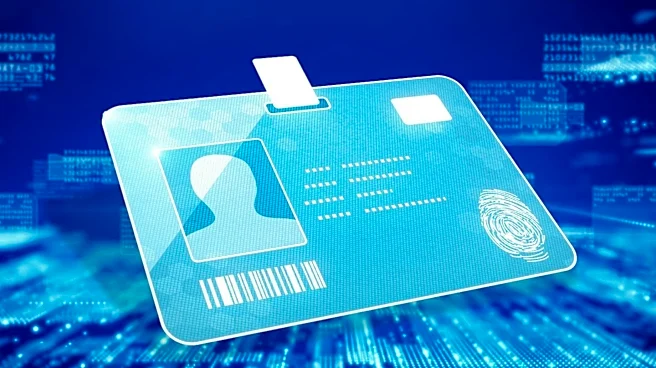
is driven by the growing need for continuous, real-time verification to combat synthetic identities, particularly in remote hiring processes. Deepfake detection is evolving from a post-interaction check to a crucial component of comprehensive identity verification systems. It enhances security by analyzing digital media for signs of manipulation and integrates with existing technologies such as facial recognition, liveness detection, document verification, and risk assessment. The objective is to identify technical patterns that suggest media alteration or generation, rather than solely assessing realism. This multi-layered approach aims to address modern impersonation threats that leverage increasingly convincing AI-generated synthetic images, videos, and identities, which traditional verification methods like passwords or basic facial matching can no longer adequately protect against.
Why It's Important?
The integration of deepfake detection into identity verification systems is critical for U.S. businesses and industries facing sophisticated fraud attempts. As generative AI makes synthetic media more convincing, the risk of impersonation and identity theft escalates, impacting financial services, remote work onboarding, and any sector relying on digital identity verification. This development is important because it provides an additional layer of security against AI-powered impersonation, which can lead to significant financial losses, data breaches, and reputational damage. Businesses stand to gain by reducing fraud rates and enhancing the integrity of their digital transactions and onboarding processes. Conversely, organizations that fail to adopt such advanced detection mechanisms risk becoming targets for fraudsters utilizing manipulated media. The shift towards real-time, continuous verification underscores a broader industry recognition that traditional security measures are insufficient against evolving AI threats, making robust deepfake detection a necessity for maintaining trust and security in the digital economy.
What's Next?
The future will likely see identity verification systems becoming even more multi-layered, combining deepfake detection with facial recognition, liveness detection, document analysis, behavioral intelligence, device signals, and contextual risk scoring. Organizations will need to continuously monitor and update their detection models as attack methods evolve, regularly testing performance against new types of synthetic media and managing false acceptance and rejection rates. This ongoing adaptation is crucial, especially for organizations in high-risk environments where identity fraud can have severe consequences. Furthermore, the integration of deepfake detection will necessitate careful attention to privacy and data protection, requiring clear policies on data collection, processing, storage, retention, and access. The goal is to evaluate whether the identity, person, biometric interaction, and digital media are all consistent with a legitimate verification attempt, moving beyond simple credential checks to a holistic assessment of authenticity.
Beyond the Headlines
The widespread adoption of deepfake detection technology raises significant ethical and societal implications. While crucial for security, it also brings concerns about privacy, data handling, and the potential for false positives to unfairly impact legitimate users. The continuous improvement of generative AI means that the arms race between synthetic media creation and detection will intensify, potentially leading to a future where distinguishing between real and fake digital content becomes increasingly challenging for both humans and machines. This could erode trust in digital interactions and media, impacting everything from online commerce to democratic processes. Furthermore, the reliance on sophisticated AI for verification could create a digital divide, where smaller businesses or individuals without access to advanced tools are more vulnerable. The legal frameworks surrounding deepfake technology and its use in identity verification will also need to evolve rapidly to address these complex challenges, balancing security needs with individual rights and freedoms.