


What's Happening?
New York City is experiencing a growing trend of modern matcha bars that combine traditional Japanese tea preparation with contemporary design and offerings. Establishments like Usagi in DUMBO are multi-functional spaces, serving as cafes, art galleries,
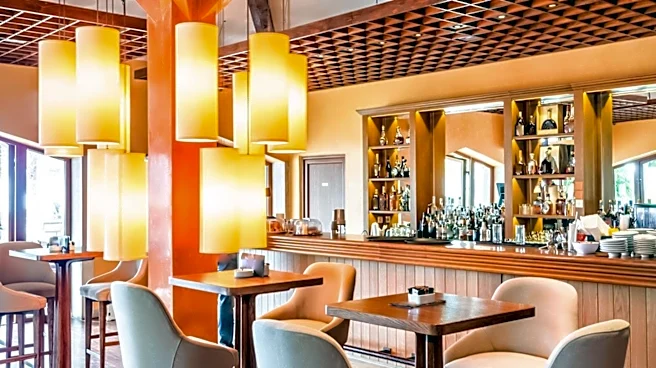
and shops, and utilize high-quality Ippodo tea for their matcha. KIJITORA, with multiple locations across Brooklyn, Manhattan, and Queens, offers a cat-themed Japanese cafe experience featuring certified organic ceremonial-grade matcha imported directly from Japan. Other notable spots include Kettl Tea in Greenpoint, known for its strong and clean matcha, and 12 Matcha in NoHo, which provides a visual experience of the matcha preparation process in an aesthetically pleasing environment. These venues cater to a diverse clientele, from serious matcha enthusiasts to those seeking a unique cafe experience.
Why It's Important?
The proliferation of modern matcha bars in New York City signifies a broader cultural and economic shift in the U.S. beverage market. This trend reflects an increasing consumer demand for specialized, high-quality, and experience-driven products, moving beyond conventional coffee shop offerings. For the U.S. food and beverage industry, this indicates a growing market for imported specialty ingredients like ceremonial-grade matcha, potentially boosting trade relations with countries like Japan. Small businesses and entrepreneurs in the hospitality sector stand to gain by catering to this niche, while larger chains might adapt by incorporating similar high-end tea options. The emphasis on aesthetics and unique experiences also highlights a change in consumer behavior, where the 'Instagrammability' of a location and product can significantly influence its popularity and success. This trend also suggests a growing appreciation for global culinary traditions and a willingness to integrate them into American urban lifestyles.
What's Next?
The continued growth of the matcha bar trend in New York City is likely to inspire similar ventures in other major U.S. cities. We can anticipate an expansion of existing matcha brands and the emergence of new ones, potentially leading to increased competition and innovation in matcha-based products. This could include a wider variety of matcha drinks, desserts, and even savory applications, as seen in other markets. Furthermore, the demand for high-quality matcha may lead to more direct sourcing relationships between U.S. businesses and Japanese tea producers, ensuring authenticity and quality. As the market matures, there might be a greater emphasis on sustainable and ethically sourced matcha, appealing to environmentally conscious consumers. The success of these establishments could also influence broader cafe culture, encouraging more specialized beverage offerings and unique experiential elements in cafes nationwide.
Beyond the Headlines
Beyond the immediate commercial success, the rise of modern matcha bars in NYC points to deeper cultural and lifestyle shifts. Matcha, traditionally central to Japanese tea ceremonies, is being recontextualized within a fast-paced urban environment, offering a moment of calm and mindfulness. This reflects a growing desire among urban dwellers for wellness-oriented products and experiences that provide a sense of tranquility amidst daily stress. The fusion of cafe, art gallery, and retail space, as seen in Usagi, suggests a blurring of lines between consumption, culture, and community, where cafes become hubs for social interaction and artistic appreciation. This trend also highlights the ongoing globalization of culinary tastes and the increasing openness of American consumers to embrace and adapt international traditions, enriching the cultural landscape of U.S. cities. The emphasis on organic and ceremonial-grade matcha also underscores a broader consumer movement towards natural, high-quality, and health-conscious choices.