






What's Happening?
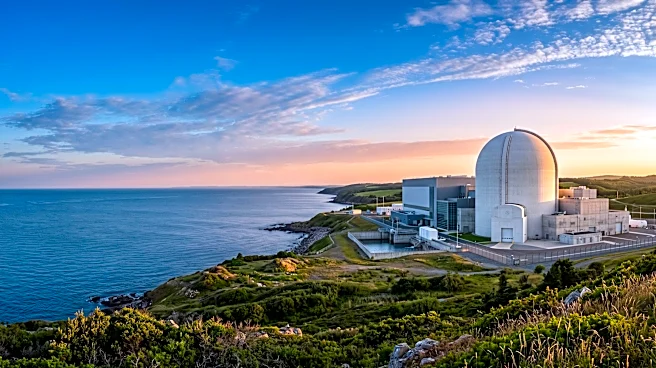
Vistra has significantly enhanced its position in the nuclear energy sector following its 2023 acquisition of Energy Harbor. This acquisition expanded Vistra's nuclear generation portfolio and led to the creation of Vistra Vision, a dedicated zero-carbon
generation business. The company has also improved its earnings visibility through a strategy of long-term contracts and extensive hedging, with a substantial portion of its generation capacity through 2028 already secured. Approximately 3.8 GW of Vistra's capacity is backed by 20-year power purchase agreements, including notable deals with major technology companies like Amazon and Meta Platforms. This strategic move supports the company's revenue stability and long-term growth trajectory. From an investment standpoint, Vistra appears to be in a stronger position compared to Talen Energy, primarily due to its lower reliance on debt for operations and a superior return on equity. The company's nuclear assets are consistently delivering strong operating performance, and its more diversified generation portfolio provides a distinct advantage over Talen Energy.
Why It's Important?
The strengthening of Vistra's nuclear energy portfolio and its focus on long-term contracts are crucial for the U.S. energy landscape, particularly in the context of increasing demand for reliable, clean power. The shift towards cleaner energy sources, driven by growing environmental concerns, stricter emission regulations, and supportive government policies including tax incentives, is accelerating investments in low-carbon and sustainable generation technologies. Vistra's expansion in nuclear energy directly addresses the rising electricity demand from sectors such as electric vehicles, AI-driven data centers, and industrial electrification, which require consistent 24/7 power. The long-term power purchase agreements with major corporations like Amazon and Meta Platforms not only ensure revenue stability for Vistra but also highlight the growing corporate demand for clean energy solutions. This trend benefits companies like Vistra that are actively expanding their clean energy portfolios, positioning them to capitalize on the evolving power generation market and contribute to national energy security and sustainability goals.
What's Next?
The U.S. utility-electric power industry is expected to continue its evolution, with increased investor attention on companies like Vistra that are expanding their clean energy generation portfolios. The ongoing demand for reliable 24/7 power, particularly from emerging technologies such as AI-driven data centers, will likely drive further investments in low-carbon and sustainable generation technologies. Vistra's established long-term contracts and diversified portfolio suggest continued revenue stability and potential for further growth. The company's strong financial position, characterized by lower debt reliance and higher return on equity compared to competitors like Talen Energy, positions it favorably for future market developments. As environmental concerns and regulatory pressures intensify, Vistra's commitment to zero-carbon generation through Vistra Vision will likely attract more investment and potentially lead to additional strategic partnerships or acquisitions in the clean energy space. The company will likely continue to leverage its nuclear assets and diversified generation to meet the increasing electricity demands across the United States.
Beyond the Headlines
Vistra's strategic moves, particularly its expansion in nuclear energy and securing long-term power purchase agreements with tech giants, underscore a broader shift in the U.S. energy sector towards decarbonization and energy resilience. The emphasis on nuclear power, a consistent and low-carbon energy source, highlights its critical role in meeting the nation's growing electricity needs while addressing climate change objectives. The involvement of companies like Amazon and Meta Platforms in long-term clean energy contracts signifies a growing trend where major corporations are not only consumers but also key drivers in the transition to sustainable energy. This trend could lead to more direct corporate investments in renewable and nuclear energy projects, fostering innovation and accelerating the development of a robust, clean energy infrastructure. Furthermore, the financial metrics favoring Vistra, such as lower debt and higher return on equity, suggest a potential benchmark for sustainable growth in the utility sector, influencing investment strategies and corporate governance across the industry as it navigates the complexities of energy transition and market demand.