




What's Happening?
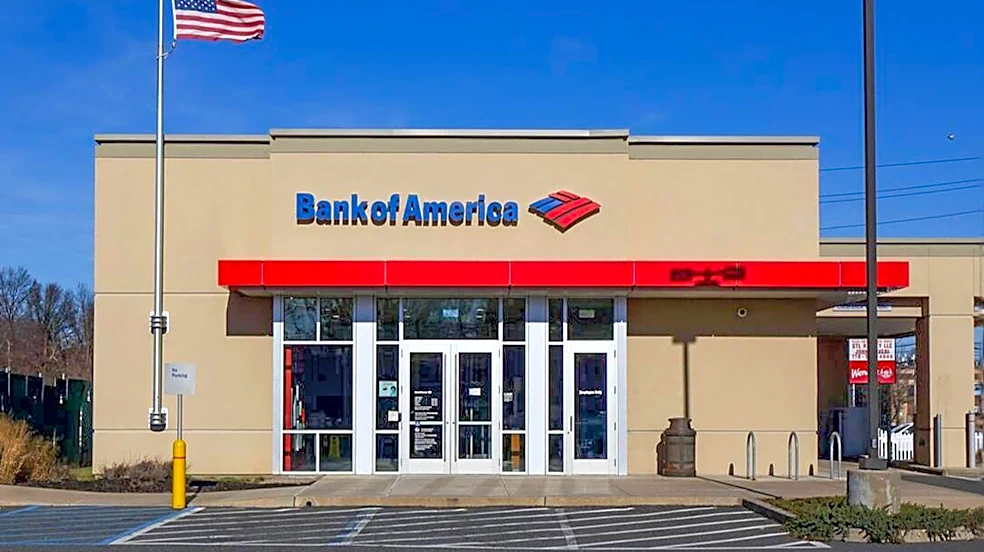
Several prominent U.S. banks, including Citigroup, Bank of America, and JPMorgan, have implemented restrictions on third-party AI agents accessing customer accounts. Charles Schwab has also confirmed that it blocks unauthorized AI agents. These restrictions specifically
target agents that attempt to log into accounts or execute transactions on behalf of customers. While some banks, like Citi, still permit limited access to account information through approved open-banking providers, they are preventing external AI agents from initiating transactions. The primary drivers behind these restrictions are concerns regarding security, potential liability, and the movement of deposits. Banks are wary of AI agents comparing interest rates across different institutions and automatically transferring customer funds to accounts offering better returns, which could impact their funding costs and profitability. Additionally, questions of responsibility arise if an AI agent makes an error or initiates an unauthorized payment.
Why It's Important?
This move by major U.S. banks highlights a critical tension between financial innovation and traditional banking models. Banks benefit significantly from customers maintaining deposits in accounts that offer low or no interest. If AI agents were to routinely identify and facilitate the transfer of funds to higher-yield accounts, it could substantially increase banks' funding costs and narrow their profit margins on loans. Furthermore, by controlling access to accounts, banks maintain influence over which AI services their customers can utilize, potentially favoring established technology providers and creating barriers for independent AI agents. This situation underscores the ongoing challenge for the financial industry to balance technological advancement with risk management, regulatory compliance, and the preservation of their core business models. The decisions made now will shape the future landscape of consumer financial services and the role of AI within it.
What's Next?
The banking industry will likely continue to develop and refine its policies regarding third-party AI access, focusing on establishing clear protocols for authentication, authorization, and liability. This could lead to the development of standardized agreements between banks and AI service providers, or the creation of approved intermediary platforms. The regulatory environment is also expected to evolve, with potential guidelines emerging to address the security, privacy, and consumer protection implications of AI agents in finance. For consumers, this means that while AI-driven financial management tools may offer convenience, their functionality could be limited by bank restrictions. The long-term outcome will depend on how effectively banks, fintech companies, and regulators collaborate to create a secure and interoperable ecosystem that benefits both institutions and consumers.
Beyond the Headlines
The restrictions on AI agents by U.S. banks touch upon fundamental questions of data ownership, consumer agency, and the future of financial intermediation. If AI agents can autonomously manage and move funds, it could empower consumers with greater control over their finances and potentially foster more competitive banking services. However, it also introduces complex ethical and legal dilemmas, particularly concerning the 'principal-agent problem' in an AI context: who is truly responsible when an AI acts on a customer's behalf? This situation could accelerate the debate around open banking standards in the U.S., pushing for more standardized and secure ways for third-party applications to interact with financial data. Ultimately, the outcome will influence the degree to which AI can democratize financial services versus being integrated within the existing power structures of traditional banking.