






What's Happening?
Mobility training is crucial for active adults to maintain independence by improving strength, balance, coordination, and flexibility. This type of training helps reduce the risk of injuries and falls, making everyday tasks easier to perform. It involves
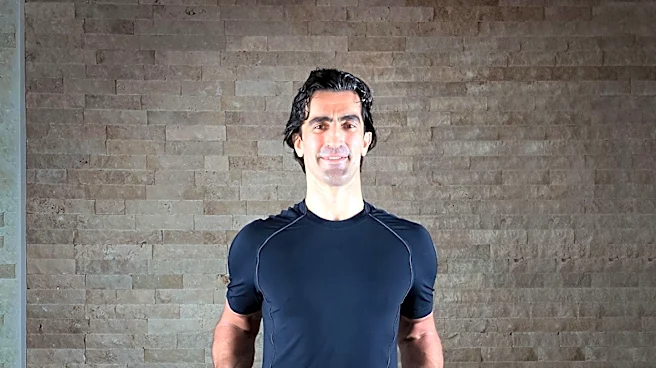
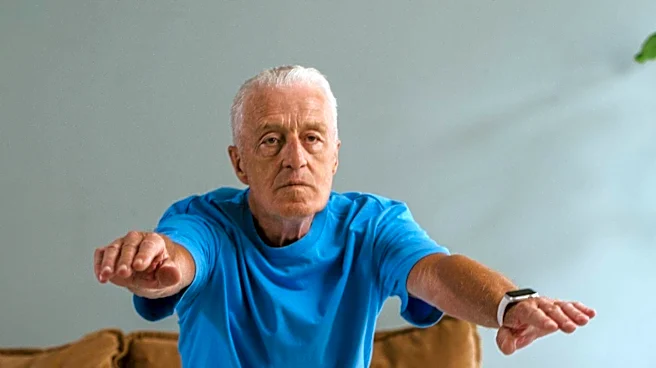
exercises that guide joints through their full range of motion, simultaneously strengthening stabilizing muscles and providing pain relief. Unlike flexibility, which refers to the passive length of a muscle or joint, mobility is the ability to actively control movement through a range. For instance, one might be able to pull their knee to their chest while lying down (flexibility) but struggle to maintain hip control during a deep split squat (lack of usable mobility). Recommended exercises include standing resistance band overhead press, standing resistance band row, and standing resistance band reverse fly. A proper mobility assessment identifies specific movement limitations, rather than treating all restrictions as flexibility problems, which can lead to ineffective stretching.
Why It's Important?
For active adults in the U.S., the emphasis on mobility training is vital for long-term physical health and quality of life. As the population ages, maintaining functional independence becomes increasingly important, impacting healthcare costs and individual well-being. By reducing the risk of injury and falls, mobility training can decrease the burden on the healthcare system and allow individuals to remain active in sports, hobbies, and daily activities. This approach benefits not only individuals by preventing pain and limitations but also society by fostering a more active and self-sufficient older demographic. Businesses in the fitness and physical therapy sectors stand to gain from increased demand for specialized mobility programs and assessments, while insurance providers may see reduced claims related to fall-related injuries and chronic pain conditions. The distinction between flexibility and usable mobility highlights the need for targeted, effective training rather than generic stretching routines, ensuring that interventions are tailored to individual needs and activity demands.
What's Next?
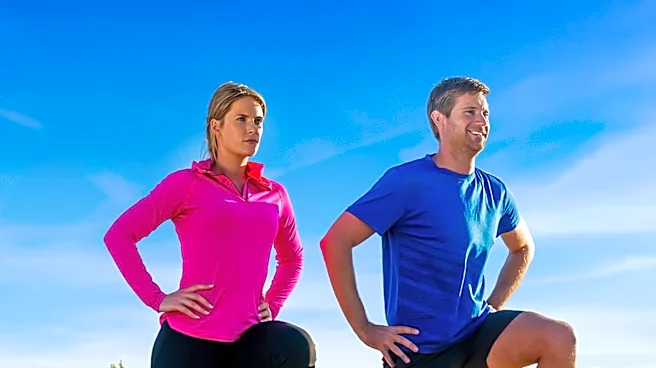
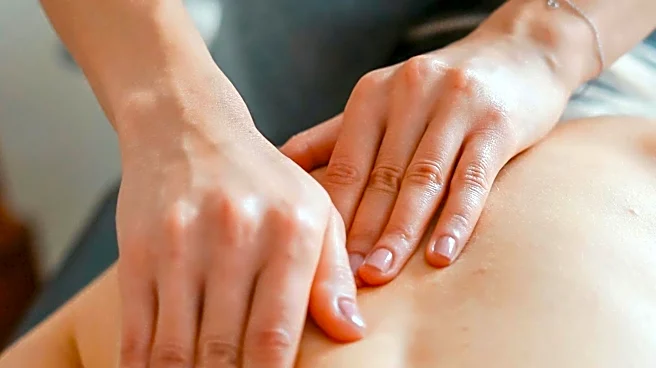
Individuals experiencing consistent one-sided tightness, difficulty with squats or lunges, loss of overhead motion, repeated ankle sprains, or declining balance should consider a mobility assessment. This is also applicable for those who continue to experience issues despite stretching or foam rolling. The assessment process typically begins with a conversation about the individual's history, goals, and current training, followed by an examination of joint range-of-motion, strength, balance, coordination, and task-specific movement analysis. The findings will guide a personalized program, which may include hands-on treatment, mobility drills, targeted strength exercises, balance training, and breathing and trunk-control work. Progress will be measured through metrics like range of motion, pain levels during specific tasks, and confidence during activities. The goal is to build movement that can be trusted under real-world demands, preventing setbacks and preparing individuals for their desired activities.
Beyond the Headlines
The growing understanding of mobility versus flexibility represents a significant shift in fitness and rehabilitation philosophies. This distinction moves beyond the traditional focus on passive stretching to emphasize active control and strength within a joint's range of motion. This paradigm shift has ethical implications, as it promotes a more holistic and effective approach to physical well-being, potentially reducing the prevalence of chronic pain and activity limitations. Culturally, it encourages a proactive stance on health, where individuals are empowered to address movement limitations before they escalate into severe injuries. The long-term impact could include a re-evaluation of standard fitness protocols, with a greater integration of functional movement assessments and personalized training plans across gyms, sports programs, and physical therapy clinics. This could lead to a more resilient and capable population, better equipped to handle the physical demands of daily life and recreational pursuits.