



What's Happening?
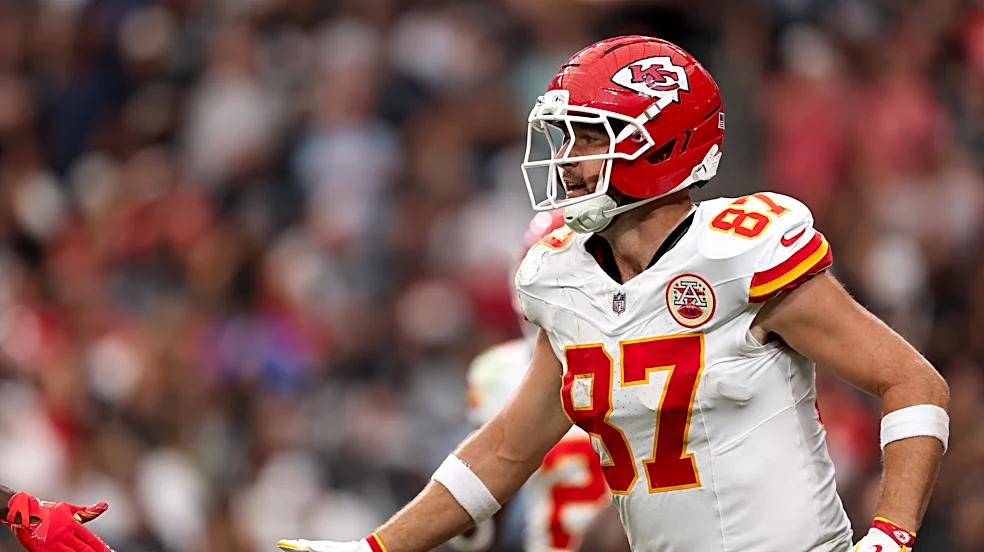
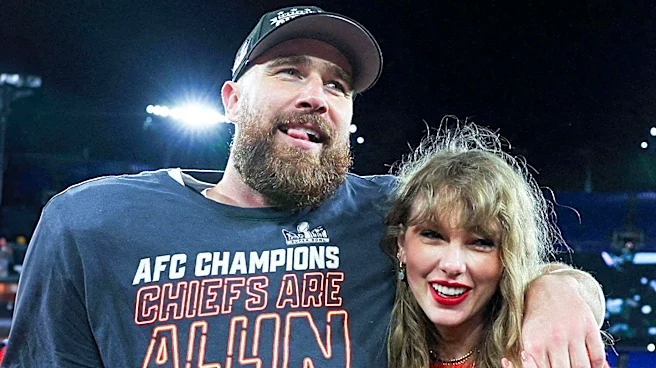
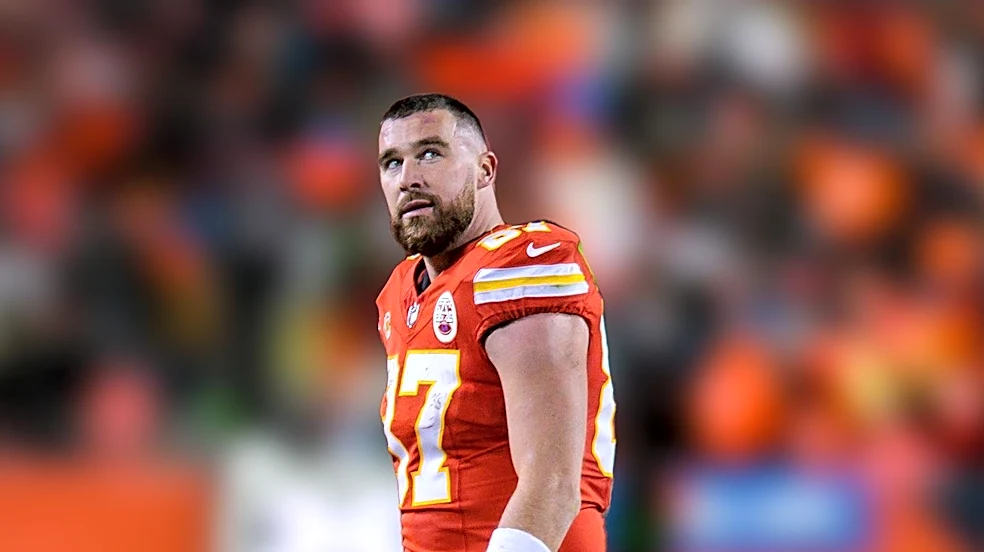
Donna Kelce is challenging the authenticity of viral social media posts linked to her son, NFL player Travis Kelce. The controversy resurfaced after Travis Kelce reportedly liked an Instagram video of Shane Gillis' controversial Saturday Night Live monologue,
which drew backlash for a vulgar joke about women's gym attire. This incident prompted some fans to dig up alleged old posts attributed to Travis Kelce, dating from 2009 to 2011. These screenshots, examined by BuzzFeed, contain insulting comments about women's bodies and cheerleaders, including one that reads, "hahaha why cant girls hide they backfat? that ***** nasty!!!" and another stating, "I feel like if u wanna be a cheerleader you have to pass a beauty test… there's too many ugly cheerleaders out here smh." When one of these posts was reshared on X, Donna Kelce intervened, asserting that the handle shown was not Travis' and that it was "not his account." While BuzzFeed could not independently verify the screenshots, The New York Times had previously reported that Snopes authenticated them. Travis Kelce has not yet publicly addressed the resurfaced posts.
Why It's Important?
This situation highlights the enduring impact of past social media activity on public figures and the challenges of verifying online content. For Travis Kelce, a prominent NFL player, the resurfacing of these alleged posts, especially in the context of his relationship with Taylor Swift—who is known for her advocacy for feminism and women's empowerment—creates a significant public relations challenge. The controversy could affect his public image and potentially lead to scrutiny from fans, sponsors, and the media. The debate over the authenticity of the posts also underscores the broader issue of digital forensics and the difficulty in definitively proving or disproving the origin of old online content. For public figures, this incident serves as a reminder of the permanence of digital footprints and the potential for past remarks, even if unverified, to resurface and cause controversy, impacting their personal and professional lives.
What's Next?
The immediate next steps will likely involve continued public discussion and scrutiny regarding the authenticity of the alleged posts. Travis Kelce may face pressure to issue a public statement addressing the controversy, either to confirm or deny the posts' origin, or to apologize if they are indeed his. The NFL, his team (the Kansas City Chiefs), and his sponsors will be monitoring the situation closely, as such controversies can have implications for their brands. Social media users and news outlets will likely continue to investigate and debate the issue. Depending on how the situation unfolds, there could be further attempts to authenticate the screenshots, potentially involving digital experts. The incident could also prompt a broader conversation about the responsibility of public figures for their past online behavior and the standards to which they are held.
Beyond the Headlines
This incident delves into the complex ethical and legal dimensions of digital identity and the 'right to be forgotten' in the age of pervasive social media. The difficulty in definitively verifying old screenshots, even with tools like Snopes, raises questions about the reliability of digital evidence and the potential for misattribution or manipulation. Furthermore, the timing of the resurfaced posts, coinciding with Travis Kelce's high-profile relationship, underscores how personal relationships can amplify public scrutiny and bring past actions into sharper focus. It also highlights the evolving standards of public discourse and what is considered acceptable behavior, particularly concerning comments about women. The controversy could contribute to a broader societal discussion about accountability for past online remarks, the impact of 'cancel culture,' and the challenges individuals face in managing their digital legacies, especially when they achieve significant public prominence years after initial online activity.