







What's Happening?
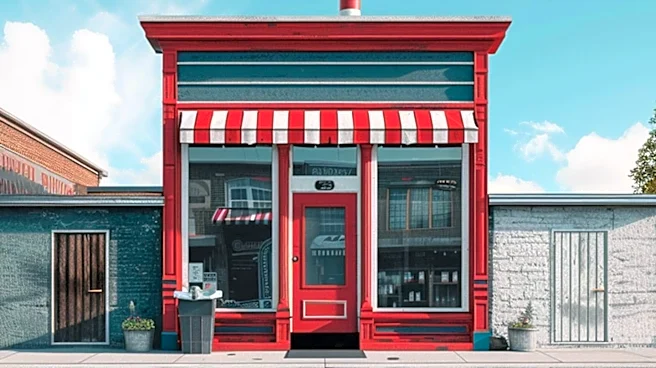
Slammin Brew, a coffee shop located on South Warren Street in Trenton, New Jersey, is set to close permanently on September 4. This closure follows the earlier departure of Starbucks from a nearby property in April 2024, which had opened in 2017 with
hopes of revitalizing downtown Trenton. Owner Victor Pizzolato cited several challenges for the closure, including a lack of security, which leads employees to leave by 3 p.m., and a deserted downtown on weekends, preventing evening and weekend operations. Other issues include significant parking problems due to state workers occupying street spots and ticketing, deterring customers. Pizzolato also noted that Trenton residents do not frequently visit downtown due to a lack of attractions. The closure of Slammin Brew comes shortly after 1911 Smokehouse, another popular establishment on Front Street, also ceased operations. Pizzolato plans to sell the building and invest in another business venture elsewhere, expressing a desire to move north.
Why It's Important?
The successive closures of Starbucks and now Slammin Brew in downtown Trenton highlight significant challenges facing urban revitalization efforts in U.S. cities. These events underscore the difficulties businesses encounter in areas struggling with security concerns, inadequate infrastructure like parking, and a lack of consistent foot traffic. The failure of these establishments, despite initial hopes for community engagement and economic growth, suggests deeper systemic issues affecting the viability of small and large businesses alike in certain urban cores. This trend can have a ripple effect, potentially deterring future investments and exacerbating economic stagnation in downtown areas. For residents and local government, it signifies a loss of amenities and a setback in efforts to create vibrant community spaces. The situation in Trenton serves as a case study for other U.S. cities grappling with similar urban development hurdles, emphasizing the need for comprehensive strategies that address safety, infrastructure, and community engagement to foster sustainable business environments.
What's Next?
Following the closure of Slammin Brew, owner Victor Pizzolato intends to sell the building and seek new business opportunities in a different location, specifically indicating a move north. This decision suggests a continued flight of businesses from downtown Trenton if underlying issues are not addressed. For downtown Trenton, the immediate future involves another vacant commercial space, further challenging revitalization efforts. Local government officials, including Trenton Mayor Reed Gusciora, who previously attempted to persuade Starbucks to stay, will likely face renewed pressure to develop effective strategies to attract and retain businesses. This could involve re-evaluating security measures, addressing parking infrastructure, and implementing initiatives to draw more residents and visitors to the downtown area. The closures may also prompt community discussions about the future of downtown Trenton and potential public-private partnerships to stimulate economic activity and create a more appealing environment for businesses and residents alike.
Beyond the Headlines
The struggles of downtown Trenton, as exemplified by the closures of Starbucks and Slammin Brew, reflect broader socio-economic trends impacting many U.S. urban centers. Beyond immediate business concerns, these events highlight the complex interplay of urban planning, public safety, and community development. The owner's comments about a 'ghost town on the weekends' and lack of security point to a decline in urban vitality that can affect social cohesion and civic engagement. The departure of businesses can create a cycle of disinvestment, making it harder to attract new enterprises and residents, thereby perpetuating economic and social challenges. This situation also raises questions about the effectiveness of past revitalization strategies and the need for more adaptive and community-centric approaches. The long-term implications could include increased urban decay, reduced local tax revenue, and a diminished sense of community identity, underscoring the critical importance of holistic urban policies that address both economic and social dimensions of city life.