



What's Happening?
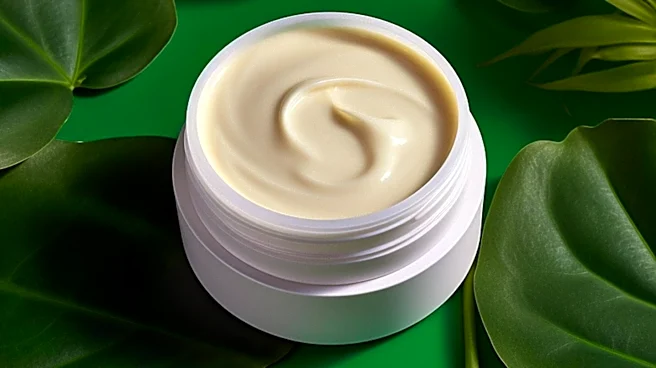
For individuals experiencing a damaged skin barrier, experts recommend using creams that are free from artificial fragrances and potential irritants, while containing barrier-supporting ingredients. Products such as Ultra Repair Cream from First Aid Beauty
and Bio-Active Ceramide Moisturiser from The INKEY List are highlighted as effective options. These creams are specifically formulated with key ingredients like ceramides, hyaluronic acid, and other emollients. Ceramides, cholesterol, and fatty acids are crucial for reinforcing the skin barrier by filling gaps that allow moisture to escape, thereby smoothing the skin. Humectants like glycerin and hyaluronic acid help draw water into the skin, supporting surface hydration. Occlusives such as dimethicone and shea butter form a protective layer on the skin to reduce moisture loss. The Ultra Repair Cream, for instance, is noted for its ability to hydrate, soothe, and strengthen the skin barrier within seven days, and is suitable for sensitive, eczema-prone skin. Similarly, The INKEY List's Bio-Active Ceramide Moisturiser is clinically proven to repair and strengthen the skin barrier from the first application and provides 24-hour hydration for dry and sensitive skin.
Why It's Important?
The integrity of the skin barrier is crucial for overall skin health, acting as a protective shield that retains moisture and fends off irritants. When this barrier is compromised, individuals can experience symptoms such as tightness, stinging, redness, flaking, and increased sensitivity to products. This can lead to discomfort and a diminished quality of life, particularly for those with pre-existing conditions like eczema. The recommendation of specific barrier repair creams underscores a growing focus on foundational skin health rather than solely addressing symptoms. For the skincare industry, this highlights a demand for products that prioritize gentle, effective formulations with scientifically backed ingredients. Companies that offer fragrance-free, non-irritating, and ceramide-rich products are likely to gain consumer trust and market share, especially among the sensitive skin demographic. This trend also emphasizes the importance of simplifying skincare routines to allow the skin barrier to recover, moving away from multi-step routines that might inadvertently cause damage.
What's Next?
Consumers with damaged skin barriers are advised to simplify their skincare routines, pausing the use of strong active ingredients and exfoliants. The focus should shift to consistent, gentle care, incorporating barrier-supporting products daily. While immediate relief from symptoms like stinging and tightness may occur within days, full skin barrier repair typically takes between three to six weeks, aligning with the skin's natural renewal cycle. Continued use of recommended creams, along with daily SPF application, will be essential to protect the healing barrier from environmental stressors. Skincare brands are likely to continue innovating in the barrier repair segment, developing more advanced formulations with bio-active ceramides and other proven ingredients to meet the demand for effective and gentle solutions. Educational efforts will also be crucial to inform consumers about the causes of barrier damage and the benefits of a minimalist, barrier-focused approach to skincare.
Beyond the Headlines
The emphasis on skin barrier repair reflects a broader shift in consumer awareness towards understanding skin physiology and the long-term impact of skincare choices. Beyond immediate relief, a healthy skin barrier contributes to preventing chronic inflammation, often referred to as 'inflammaging,' which can accelerate skin aging. This highlights a move towards preventative and restorative skincare practices. The market's response, with products like Bio-Active Ceramide NP penetrating multiple skin layers, suggests a deeper scientific understanding being integrated into product development. This also raises ethical considerations for brands to formulate products that genuinely support skin health rather than promoting aggressive treatments that can inadvertently cause damage. The increasing demand for 'clean' and 'fragrance-free' formulations indicates a consumer preference for products that minimize potential irritants, fostering a more holistic approach to skin wellness that values gentle care over quick fixes.