

What's Happening?
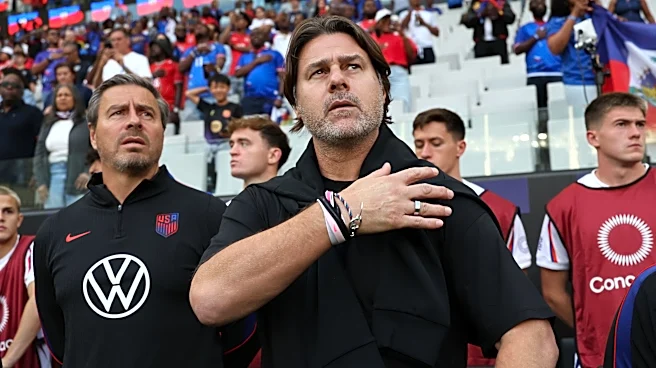
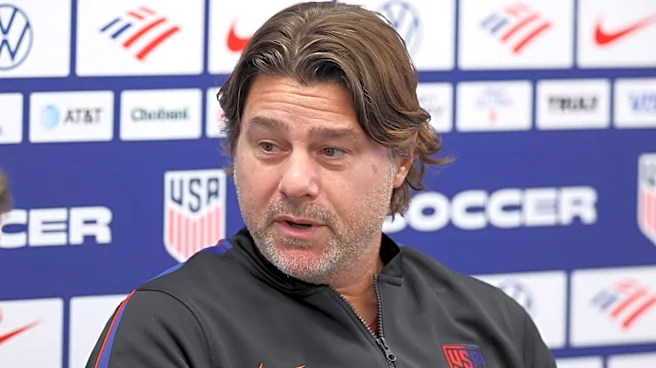
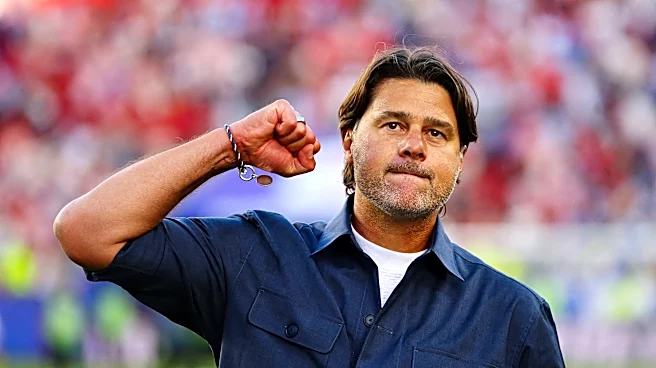
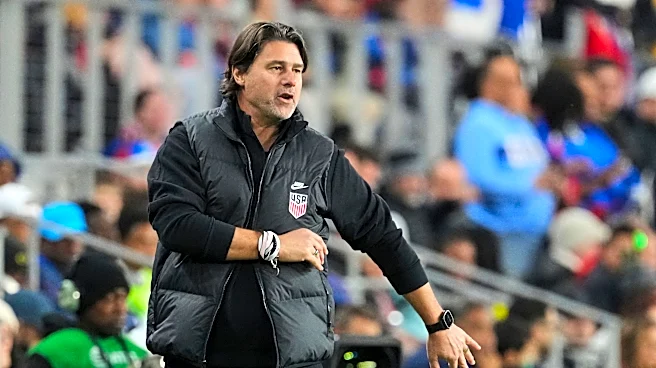
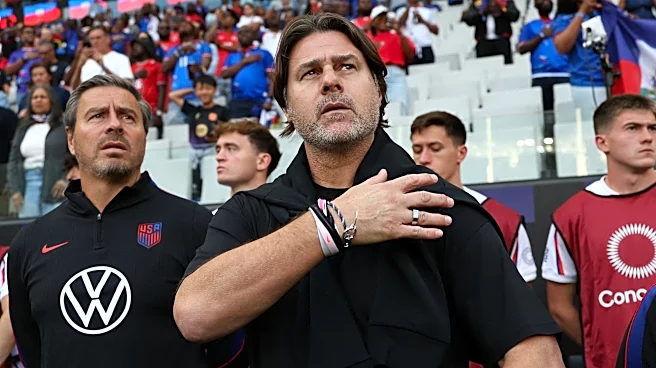
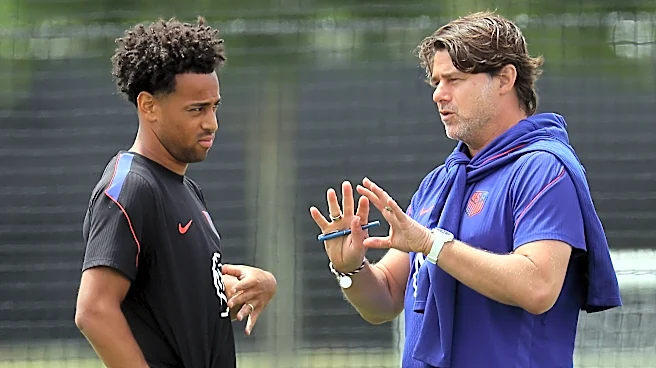
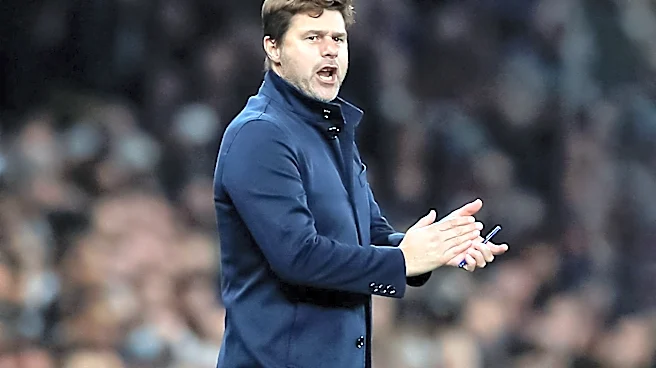
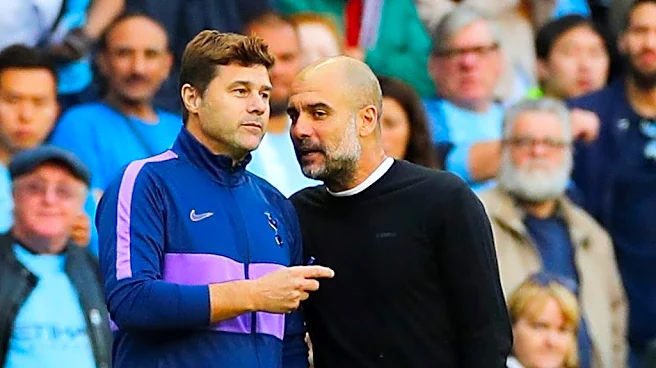
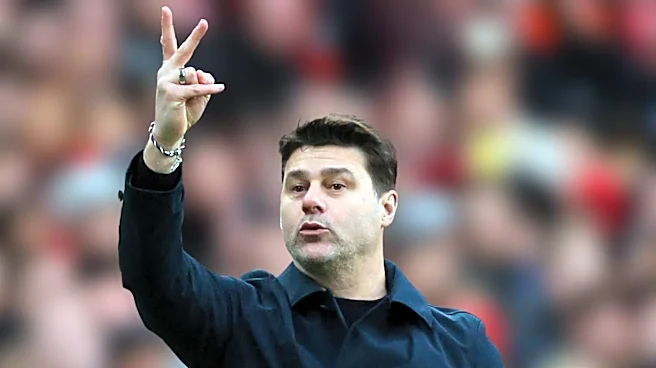
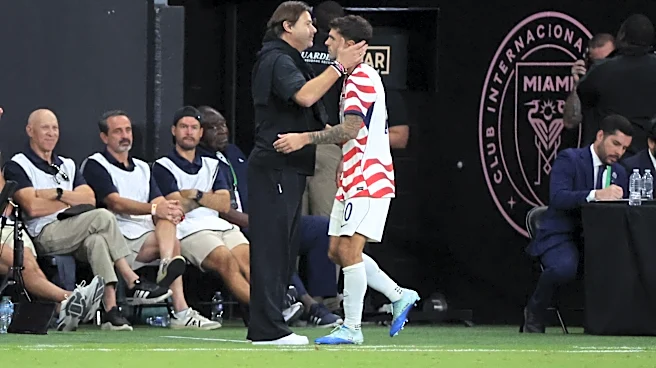
Mauricio Pochettino is concluding his tenure as head coach of the U.S. Men's National Team (USMNT) to assume the managerial role at Manchester United in Europe. His departure has brought renewed attention to his previous critical remarks about American
sports culture, specifically his assertion that 'American sports reward losers.' Pochettino initially made these comments in an interview with a Spanish newspaper in June, prior to the World Cup. He highlighted a perceived cultural clash, noting that American athletes are raised in a 'playful' culture rather than a competitive one, and questioned the lack of consequences for underperforming teams in leagues like MLS, where relegation is absent and top draft picks are awarded to the worst teams. He contrasted this with European soccer, where poor performance can lead to relegation, fostering a different competitive mentality. Pochettino took over the USMNT in September 2024, achieving a record of 21-11-2 in 35 games and becoming the winningest U.S. men's coach in World Cup history with three wins, leading the team to the round of 16.
Why It's Important?
Pochettino's departure and his candid assessment of American sports culture carry significant implications for U.S. soccer development and the broader sports landscape. His critique challenges the fundamental structure of many American professional leagues, which prioritize competitive balance through mechanisms like the draft system over the direct consequences of promotion and relegation seen in global soccer. This perspective could influence future discussions within U.S. Soccer regarding player development strategies and the mentality instilled in young athletes. For the USMNT, finding a successor who can continue Pochettino's efforts to cultivate a more competitive mindset will be crucial as they prepare for future international competitions. His comments also spark a broader debate about the effectiveness of different league structures in fostering elite athletic performance and competitive drive, potentially prompting self-reflection within other American sports organizations about their approaches to rewarding success and addressing failure.
What's Next?
U.S. Soccer now faces the immediate task of identifying and appointing a new head coach for the Men's National Team. This decision will be critical in shaping the team's trajectory and continuing the cultural shift Pochettino aimed to implement. The new coach will need to build upon the foundation laid by Pochettino, particularly in fostering a competitive mentality among players. Pochettino will coach the USMNT one final time against Haiti in the Concacaf Nations League before officially transitioning to Manchester United. His move to a high-profile European club will likely keep his views on American sports in the public discourse, potentially influencing how U.S. sports executives and coaches approach player development and league structures. The ongoing debate about rewarding 'losers' versus promoting direct competition could lead to further discussions within MLS and other leagues about potential structural adjustments or philosophical shifts in player development.
Beyond the Headlines
Pochettino's remarks delve into a deeper philosophical difference between American and European sports models, touching upon the very definition of competition and success. The American model, often characterized by its emphasis on parity and opportunity for all teams through mechanisms like the draft, aims to maintain fan engagement across the league. Conversely, the European soccer model, with its promotion and relegation system, creates intense pressure and rewards consistent high performance, often leading to greater financial disparities between clubs. This divergence raises questions about which system is more effective in producing world-class talent and fostering a winning mentality. Beyond soccer, these discussions could prompt other American sports leagues to re-evaluate their developmental pathways and competitive structures, considering whether the current system inadvertently cultivates a sense of complacency. The long-term impact could be a re-examination of youth sports development and professional league incentives in the U.S., aiming to strike a better balance between competitive equity and the relentless pursuit of victory.