


What's Happening?
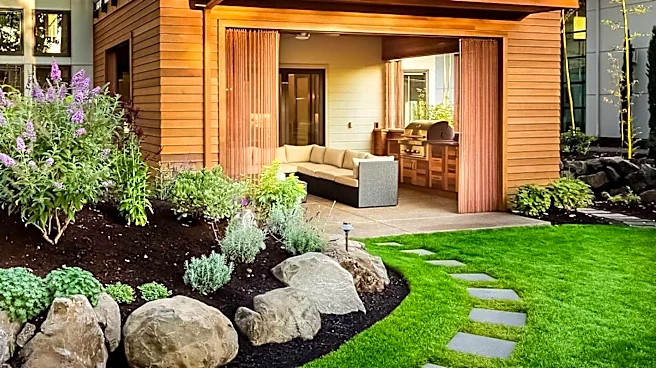
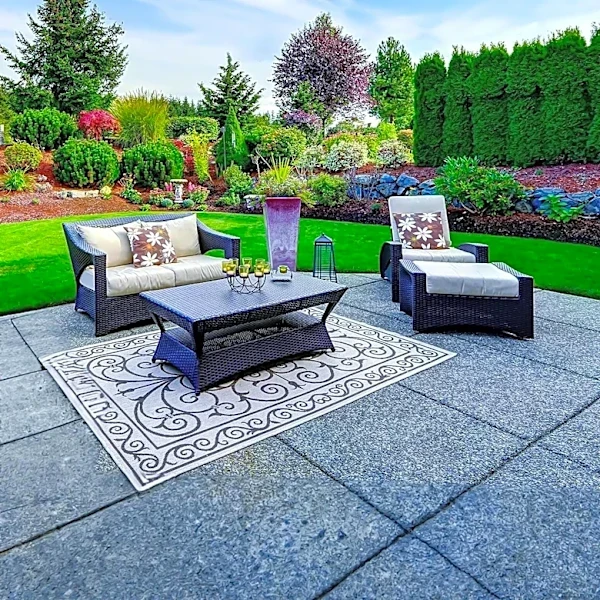
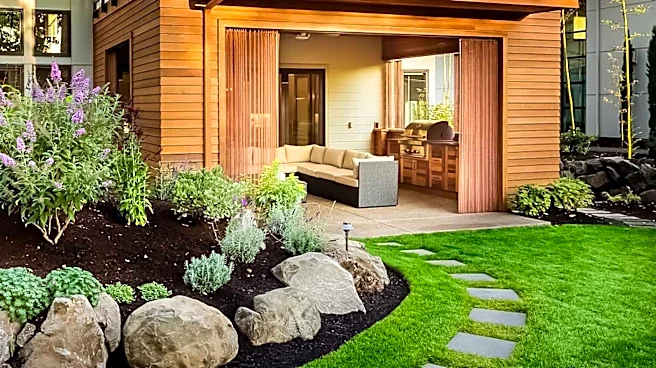
Outdoor spaces are increasingly becoming intentional extensions of residential architecture, moving beyond traditional backyards to integrate seamlessly with interior home design. This shift reflects a changing perception of home, where outdoor environments
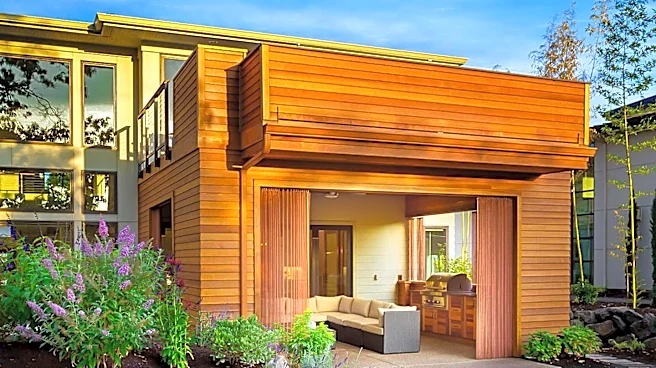
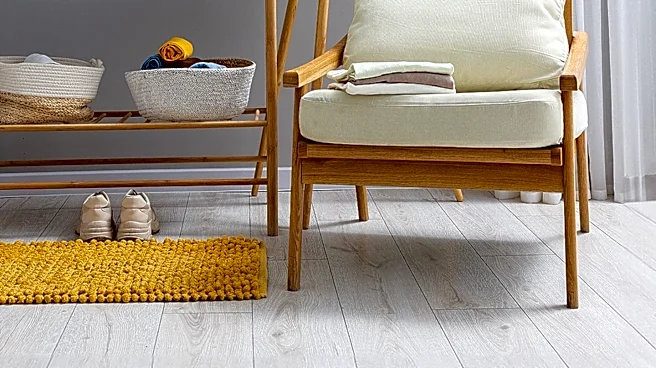
are designed with the same attention to comfort, appearance, and functionality as indoor rooms. The transformation is driven by a desire for visual and functional continuity between interiors and the surrounding landscape, often achieved through architectural details like large windows, sliding glass doors, and coordinated flooring tones. Modern residential design emphasizes transitional spaces, particularly decks, that connect indoor environments with nature. The focus is on creating cohesive environments where outdoor areas feel like a natural part of the home's overall design, rather than disconnected additions. This involves thoughtful planning of layout, material choices, and consideration for seasonal use to ensure comfort and versatility.
Why It's Important?
This evolution in residential design is important because it enhances the overall living experience, providing homeowners with more flexible and versatile spaces. By blurring the boundaries between indoor and outdoor areas, homes can offer expanded opportunities for relaxation, social interaction, and everyday routines, making living spaces feel less confined. This approach also contributes to increased property value and appeal, as well-designed outdoor environments are highly sought after. The emphasis on thoughtful planning, material selection, and seasonal adaptability ensures that these spaces are not only beautiful but also practical and durable, maximizing their utility throughout the year. This trend signifies a deeper appreciation for how environment impacts well-being, encouraging designs that foster a stronger connection to nature and provide a sense of tranquility and openness within the home.
What's Next?
The trend of integrating outdoor spaces into core home design is expected to continue and expand, with further innovations in materials, technology, and architectural approaches. Homeowners will likely seek more sophisticated solutions for creating seamless transitions, such as advanced retractable glass systems, climate-controlled outdoor rooms, and smart home integrations for lighting and temperature control. Designers and builders will continue to explore sustainable materials and practices that enhance both aesthetics and environmental responsibility. The focus will remain on creating highly functional, comfortable, and visually appealing outdoor extensions that cater to diverse lifestyles and seasonal changes. This ongoing evolution will likely lead to new standards in residential architecture, where the outdoor environment is considered an indispensable component of a holistic living experience.
Beyond the Headlines
Beyond the immediate architectural and design implications, the disappearing boundary between home and nature reflects a deeper cultural shift towards prioritizing well-being, mindfulness, and a desire to disconnect from digital distractions. People are increasingly seeking environments that offer flexibility, opportunities for quiet contemplation, and meaningful social interactions. Outdoor spaces, when thoughtfully designed, serve as vital extensions that support these needs, providing a sanctuary from the demands of modern life. This trend also highlights a growing awareness of biophilic design principles, which emphasize connecting building occupants with nature to improve health and productivity. The integration of outdoor living into residential design is not just about aesthetics or property value; it represents a fundamental change in how we perceive and interact with our living environments, fostering a more harmonious relationship between humans and the natural world.