







What's Happening?
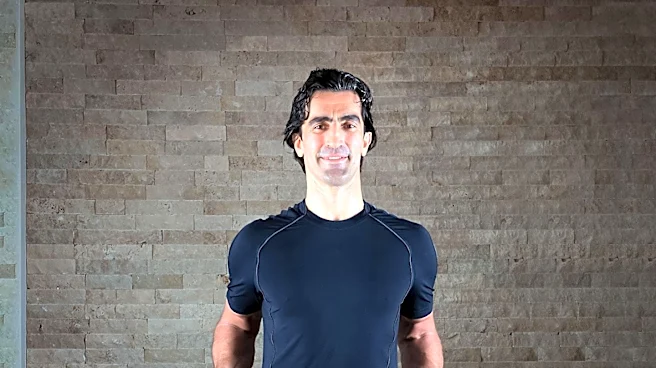
Lymphatic walking, a low-intensity exercise, is trending for its potential to alleviate bloating and improve digestion. According to David J. Sautter, a NASM-certified personal trainer, this gentle, rhythmic walking style uses natural breathing and muscle
contractions to support the movement of lymph and excess fluid throughout the body. The muscles in the feet and calves act as a natural pump, aiding circulation and preventing fluid from pooling in the lower extremities. Research indicates that even short walks of 10-15 minutes after meals can improve symptoms like bloating, gas, and post-meal fullness by stimulating the digestive system and helping food and gas pass through the gut. The focus is on consistent, low-impact movement rather than speed or intensity.
Why It's Important?
The rise of lymphatic walking highlights a growing interest in accessible, low-impact fitness solutions that address common health concerns like bloating and sluggishness. For many, traditional high-intensity workouts may not be feasible or desirable, making gentle activities like lymphatic walking an attractive alternative. This trend underscores the importance of consistent movement for overall well-being, particularly its role in supporting the lymphatic system and digestive health. By promoting better circulation and fluid movement, it can contribute to reduced discomfort and increased energy levels. The simplicity and minimal requirements of lymphatic walking make it an inclusive option for a wide demographic, encouraging more people to incorporate physical activity into their daily routines.
What's Next?
Individuals interested in lymphatic walking can start by incorporating 10-15 minute walks after meals or using them to break up long periods of sitting. The recommended technique involves starting at a slow, comfortable pace, gradually increasing speed, and focusing on relaxed, steady breathing with natural arm swings. The goal is to maintain a comfortable pace where conversation is possible, emphasizing light, consistent steps and a smooth heel-to-toe stride. While the immediate effects on bloating may vary for individuals, consistent practice is expected to contribute to improved digestion and overall fluid movement. The trend may lead to more structured programs or guided sessions focusing on mindful, rhythmic walking for lymphatic support.
Beyond the Headlines
Lymphatic walking taps into a deeper understanding of the body's interconnected systems, particularly the lymphatic system's role in detoxification and fluid balance, which is often overlooked in conventional fitness. It promotes a holistic view of health where gentle, consistent movement is as vital as intense exercise. This trend also reflects a cultural shift towards mindfulness in physical activity, encouraging individuals to pay attention to their body's internal processes, such as breathing and muscle contractions, rather than solely focusing on external metrics like speed or distance. Ethically, it advocates for a more intuitive and less performance-driven approach to exercise, making fitness more approachable and less intimidating for those who may feel excluded by high-intensity fitness culture.