


What's Happening?
The fashion industry is undergoing a significant transformation, moving towards greater inclusivity and body positivity. This shift is evident in the increasing number of brands, such as Oneira Fashions, that are prioritizing sustainable and inclusive
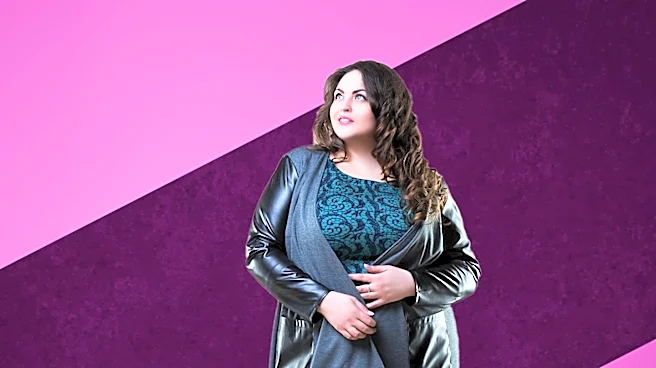
clothing options for women of all sizes. Historically, plus-size individuals faced limited and often stigmatizing fashion choices. However, a growing movement is challenging traditional beauty standards, leading to a more dynamic and vibrant plus-size fashion scene. Brands are now offering diverse and trendy options that cater to a wider range of body types, emphasizing individuality and empowerment. This evolution is driven by a broader societal change advocating for the acceptance of all body types, with designers and models playing key roles in promoting body diversity and challenging outdated norms. The focus is on ensuring that fashion is accessible and empowering for everyone, regardless of their shape or size.
Why It's Important?
This movement is important because it addresses long-standing issues of exclusion and unrealistic beauty standards within the fashion industry, impacting a significant portion of the U.S. population. By embracing body positivity, the industry is fostering self-acceptance and confidence among consumers, particularly plus-size individuals who have historically been underserved. This shift creates new market opportunities for brands that prioritize inclusivity and ethical practices, potentially leading to increased competition and innovation in design and sizing. It also empowers consumers to express themselves freely without compromising on their values or comfort. The emphasis on sustainable and inclusive practices can also influence broader societal perceptions of beauty and body image, promoting a more diverse and accepting culture. This change benefits not only consumers by offering more choices but also businesses that adapt to these evolving demands, potentially increasing their customer base and brand loyalty.
What's Next?
The fashion industry is expected to continue its trajectory towards greater inclusivity, with more brands likely to adopt body-positive and sustainable practices. Consumers can anticipate a wider array of stylish and well-fitting clothing options across all sizes, particularly in the plus-size market. There will likely be continued advocacy for improved sizing consistency and more diverse representation in marketing and media. Brands that fail to adapt to these evolving consumer demands for inclusivity and ethical production may face challenges in maintaining relevance and market share. The movement is also likely to influence other sectors, encouraging a broader societal embrace of diversity and self-acceptance. Aspiring models of diverse body types, particularly curve models, will find increasing opportunities within the industry, further solidifying the shift towards a more representative fashion landscape.
Beyond the Headlines
Beyond the immediate commercial implications, the body positivity movement in fashion carries deeper ethical and cultural significance. It challenges the long-held notion that fashion is exclusively for a narrow ideal body type, promoting a more democratic and accessible approach to style. This shift can contribute to a reduction in body shaming and negative self-perception, fostering a healthier relationship between individuals and their bodies. The integration of sustainability with inclusivity also highlights a growing consumer demand for ethical consumption, pushing the industry towards more responsible practices. This movement reflects a broader cultural awakening where authenticity and self-acceptance are valued over conformity to artificial standards. It encourages a re-evaluation of how beauty is defined and celebrated, potentially leading to a more compassionate and diverse society where individuals feel empowered to embrace their unique identities.