







What's Happening?
NRBC Bank PLC recently organized a business review meeting in Bogra, Bangladesh, to expand financing for farmers and small entrepreneurs. The workshop, titled 'NRBC Sufola and NRBC Goti: SME Refinance Business Penetration and Review Meeting,' aimed to review the
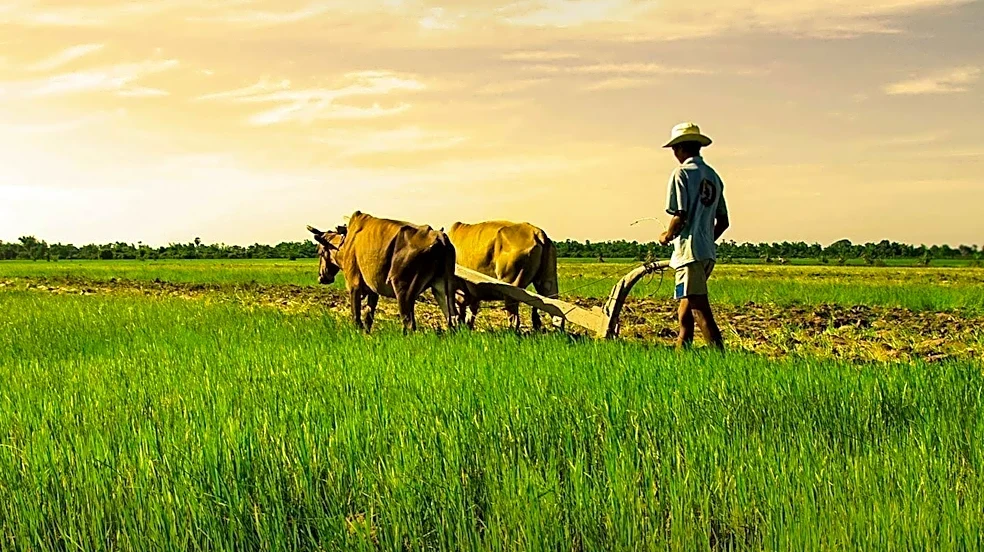
progress of refinancing schemes and strengthen the agriculture-based economy in northern Bangladesh. Md. Shaheen Howlader, Deputy Managing Director and Chief Business Officer of NRBC Bank, served as the chief guest. The meeting highlighted three major refinancing initiatives from Bangladesh Bank: a Tk. 10,000 crore scheme for agriculture and rural sectors, a Tk 5,000 crore working capital fund for cottage, micro, small, and medium enterprises (CMSMEs), and a Tk 3,000 crore special fund for developing an agriculture-based economic hub in northern Bangladesh.
Why It's Important?
This initiative is crucial for bolstering Bangladesh's agricultural sector and supporting its small and medium-sized enterprises, which are vital for the national economy. By expanding access to financing, NRBC Bank and Bangladesh Bank aim to increase agricultural production, improve the business capacity of CMSMEs, generate employment, and strengthen financial inclusion, particularly in rural areas. For the U.S., a stable and growing Bangladeshi economy, supported by robust agricultural and SME sectors, can contribute to regional stability and offer potential trade and investment opportunities. The focus on developing a specialized agriculture-based economic hub also signifies a strategic approach to economic development that could serve as a model for other developing nations.
What's Next?
The discussions focused on expanding access to refinancing facilities under NRBC Sufola and NRBC Goti, identifying business opportunities, and ensuring effective loan disbursement to farmers and entrepreneurs. Md. Shaheen Howlader emphasized the need for effective implementation of Bangladesh Bank's refinancing programs, stressing the importance of selecting eligible borrowers, ensuring efficient loan disbursement, and strengthening loan recovery monitoring. These efforts are expected to create opportunities for agricultural development, entrepreneurship, and rural economic growth. The success of these initiatives will depend on sustained collaboration between financial institutions, government bodies, and local communities to ensure that the funds reach their intended beneficiaries and are utilized effectively.
Beyond the Headlines
This workshop reflects a broader national strategy in Bangladesh to foster economic growth through targeted financial interventions in key sectors. The emphasis on agriculture and CMSMEs acknowledges their foundational role in job creation, poverty reduction, and food security. Beyond the immediate financial aspects, such initiatives can empower local communities, reduce rural-urban migration pressures, and promote more equitable economic development. However, challenges remain in ensuring transparency, preventing loan defaults, and adapting financial products to the specific needs of small-scale farmers and entrepreneurs. The long-term success will also hinge on complementary policies that address infrastructure development, market access, and technical training for these sectors.