




What's Happening?
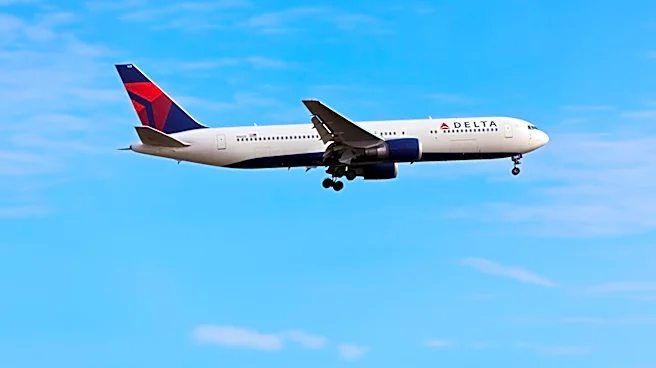
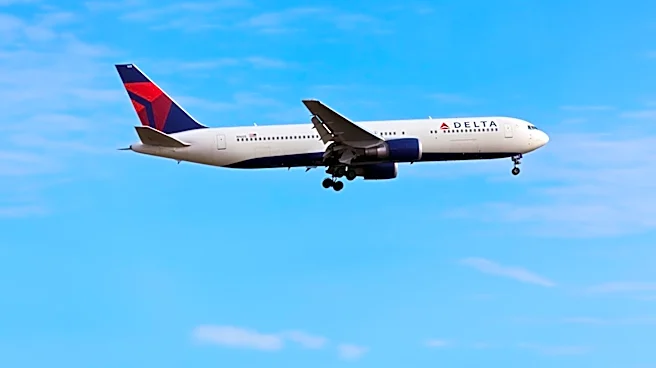
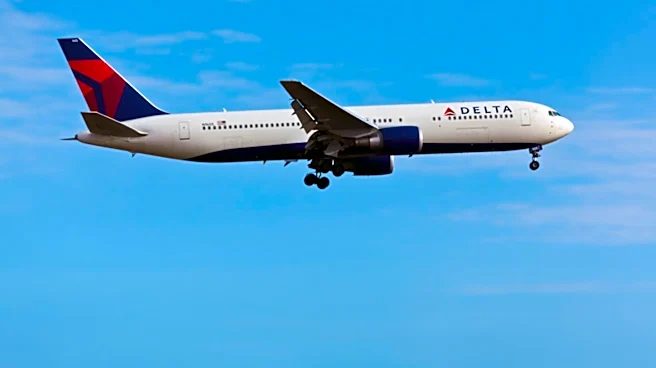
Ed Bastian, CEO of Delta Air Lines, has publicly criticized Heathrow Airport's decision to move Delta's operations from Terminal 3 to Terminal 4, effective 2028. This relocation would separate Delta from its joint venture partner, Virgin Atlantic, which
is slated to remain in Terminal 3. Bastian, in a statement on November 2, called the move 'short-sighted, deeply disappointing and bad for airline consumers.' He argues that the current co-located operation in Terminal 3 supports seamless connections and premium facilities, which would be undermined by the separation. Virgin Atlantic's Chief Executive, Corneel Koster, has also voiced opposition, stating that the separation would complicate journeys and reduce competition. Heathrow Airport, however, maintains that the terminal changes are a result of consultations with airlines and are intended to optimize existing capacity, reduce congestion, improve passenger flow, and create room for growth while managing passenger costs.
Why It's Important?
This dispute highlights the complexities and potential disruptions within the airline industry, particularly concerning international partnerships and airport infrastructure. For Delta Air Lines and Virgin Atlantic, the co-location in Terminal 3 is crucial for their joint venture, enabling a streamlined passenger experience, including shared lounge access and easier connections. The proposed separation could lead to increased transfer times for passengers, as they would need to use shuttle buses and re-clear security between terminals. This could diminish the appeal of their joint offerings, potentially impacting customer loyalty and revenue for both airlines. From Heathrow's perspective, the move is an attempt to manage capacity and improve overall airport efficiency, suggesting a trade-off between individual airline preferences and broader operational goals. The outcome of this dispute could set a precedent for how airport authorities balance the needs of individual carriers with system-wide operational demands.
What's Next?
Delta Air Lines CEO Ed Bastian has stated that the airline will 'pursue all available remedies' to challenge Heathrow's decision. While his statement does not specify legal filings, regulatory approaches, or contractual remedies, it indicates Delta's intent to actively resist the relocation. The planned move is scheduled for 2028, allowing time for potential negotiations or formal challenges. The ongoing discussions between Delta, Virgin Atlantic, and Heathrow Airport will likely focus on mitigating the impact of the separation on passenger experience and operational efficiency. The situation could lead to further public statements, lobbying efforts, or even legal action as Delta seeks to protect its joint venture interests. The resolution of this issue will be closely watched by other airlines and airport operators, as it could influence future decisions regarding terminal allocations and airline partnerships.
Beyond the Headlines
The disagreement between Delta Air Lines and Heathrow Airport extends beyond mere logistical concerns, touching upon the strategic importance of airline alliances and the evolving landscape of global air travel. The co-location of partner airlines in a single terminal is a key component of enhancing the passenger experience, offering convenience and efficiency that differentiate these alliances from independent carriers. The potential forced separation could undermine years of investment in building a seamless joint product, raising questions about the long-term stability of such partnerships in the face of airport capacity constraints. This situation also underscores the power dynamics between airports, which control critical infrastructure, and airlines, which are their primary customers. The outcome could influence future airport development strategies, potentially leading to more integrated planning that considers the needs of airline alliances, or conversely, reinforcing the airport's prerogative to prioritize overall operational efficiency, even at the expense of specific airline partnerships.